Play Adverse Effects
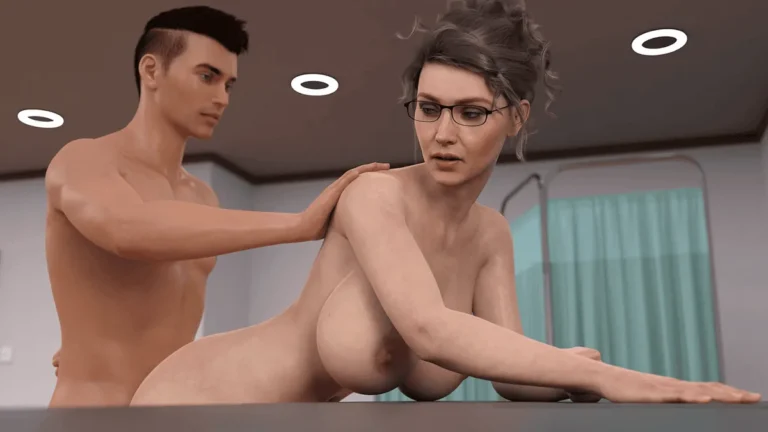
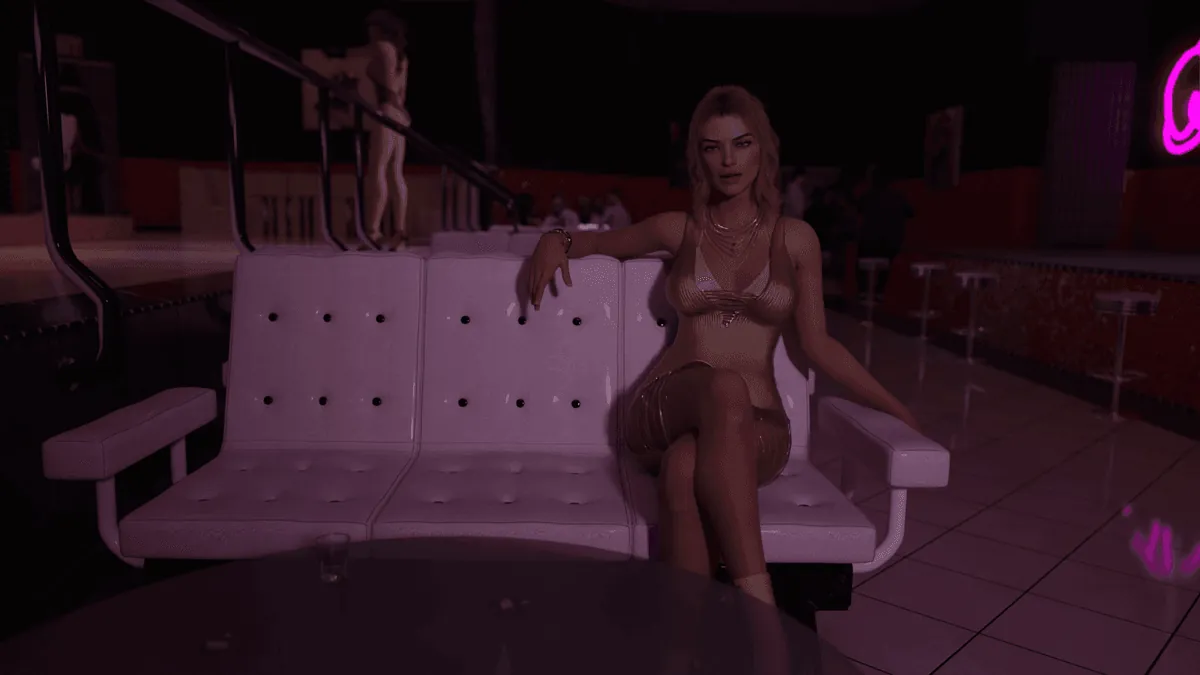
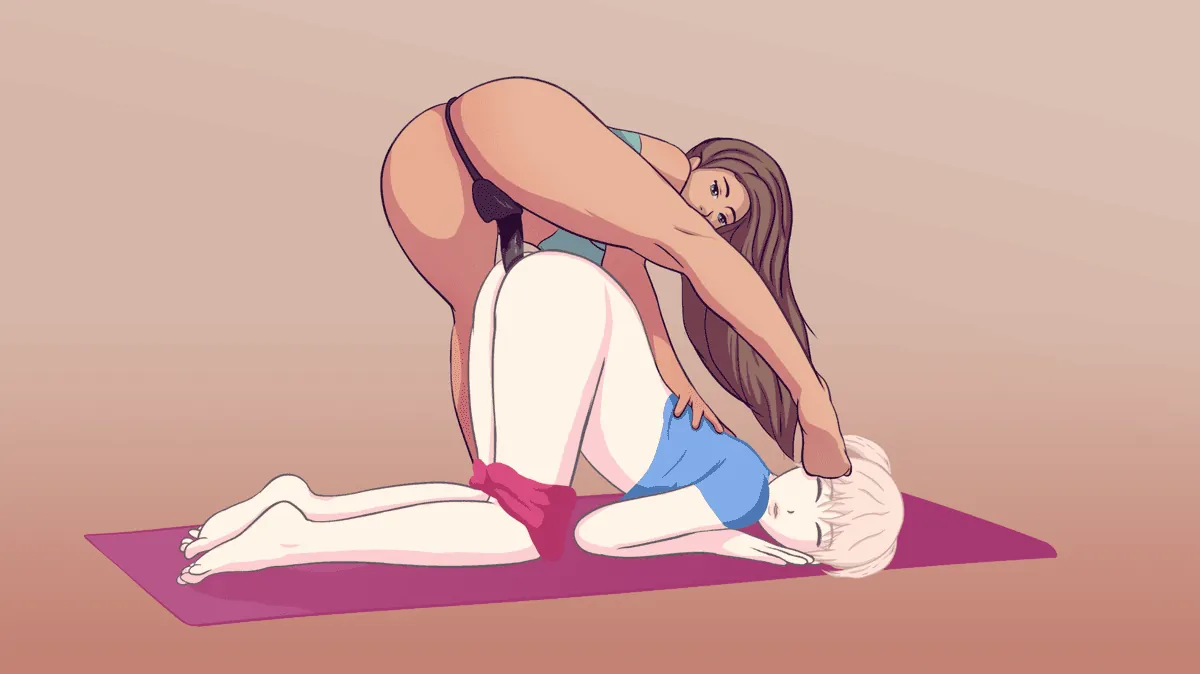
Adverse Effects Screenshots
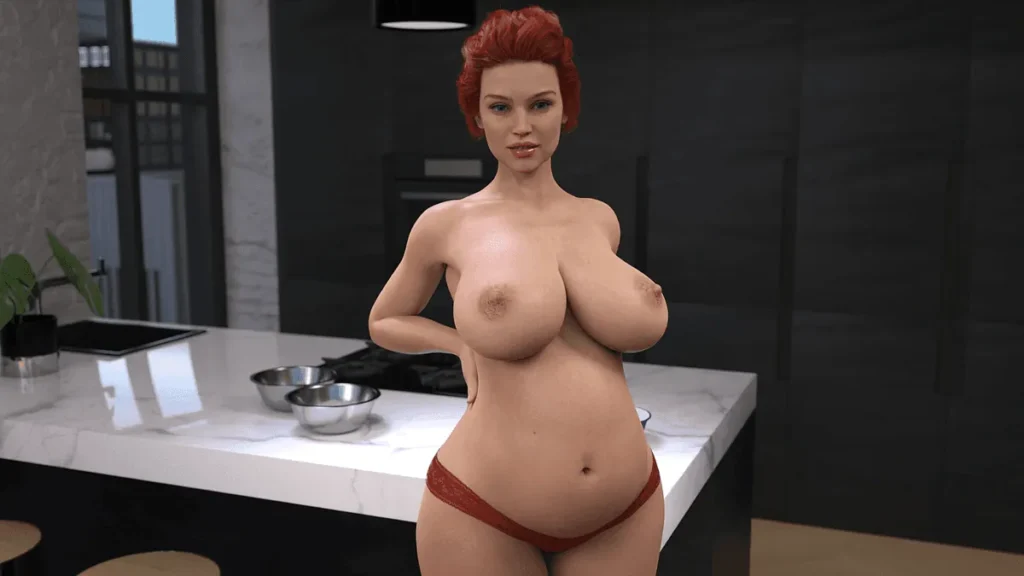
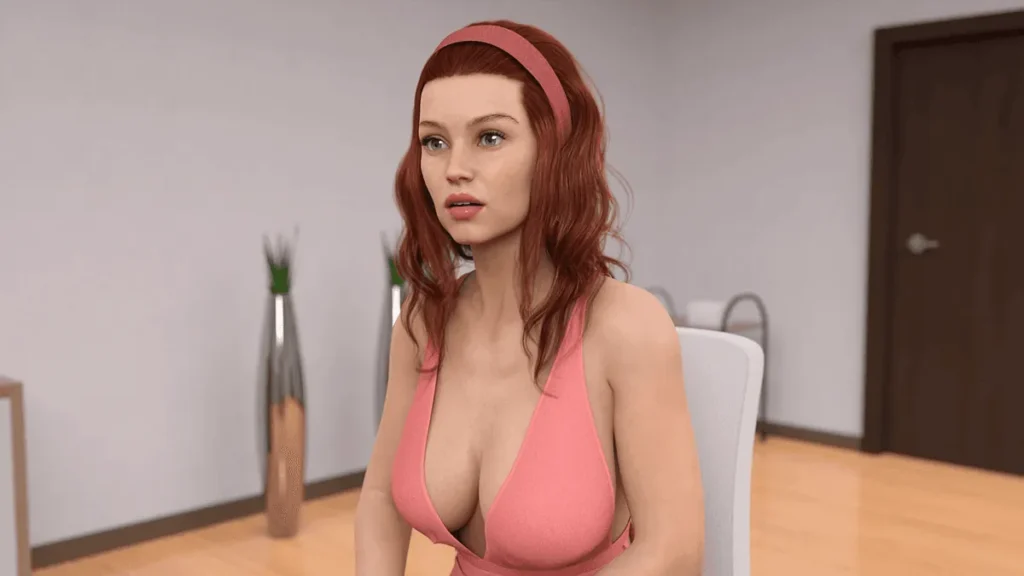
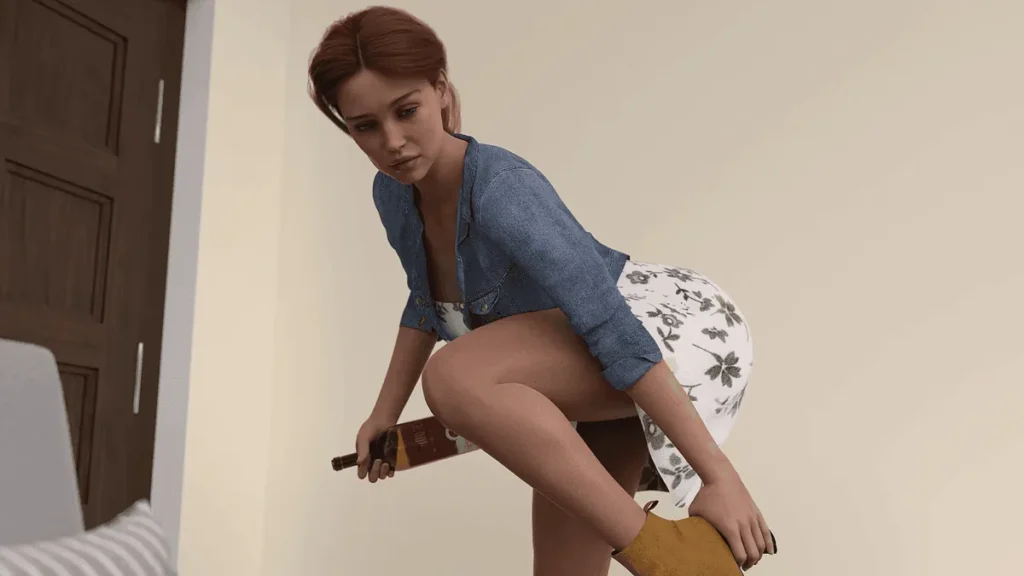
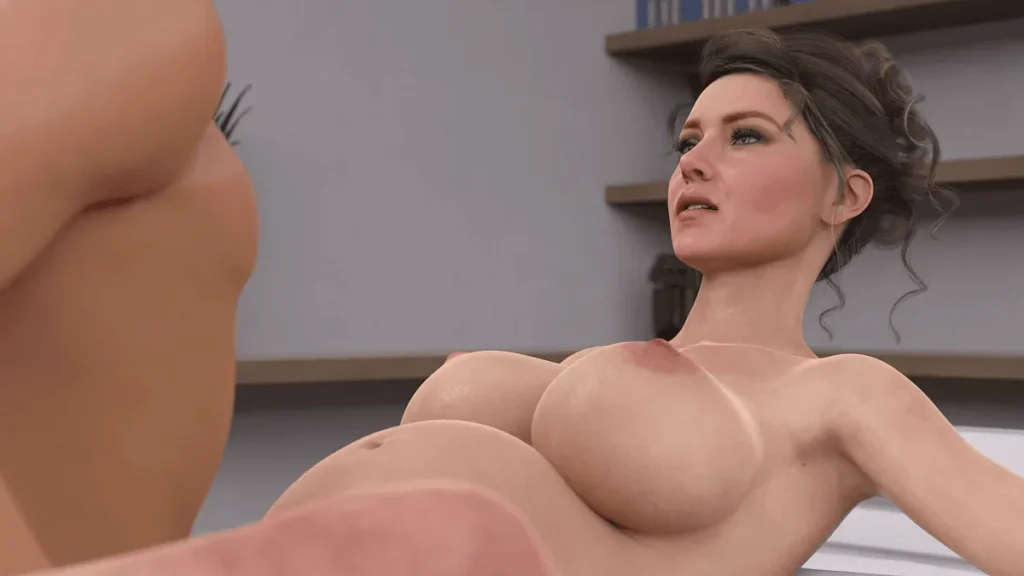
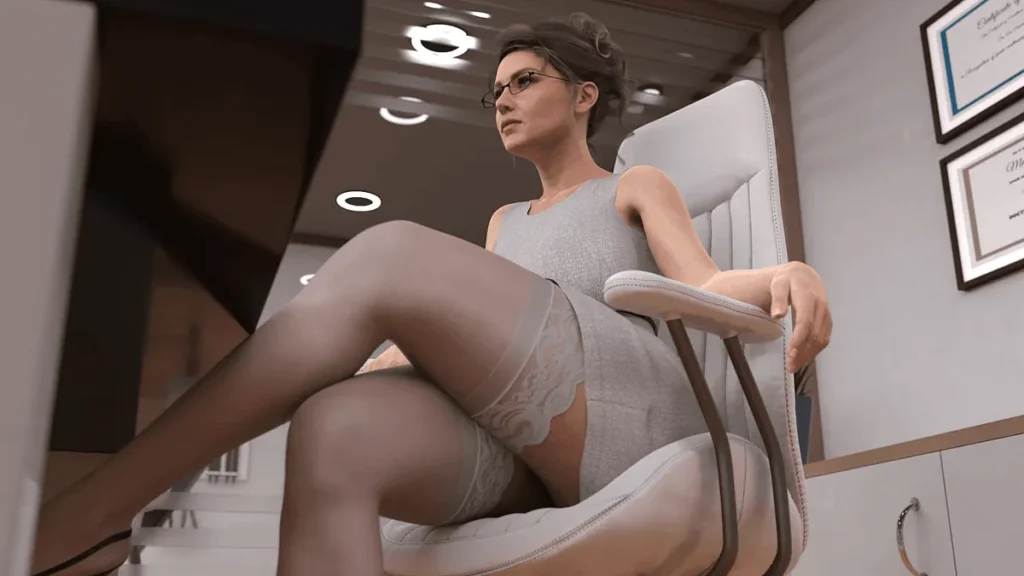
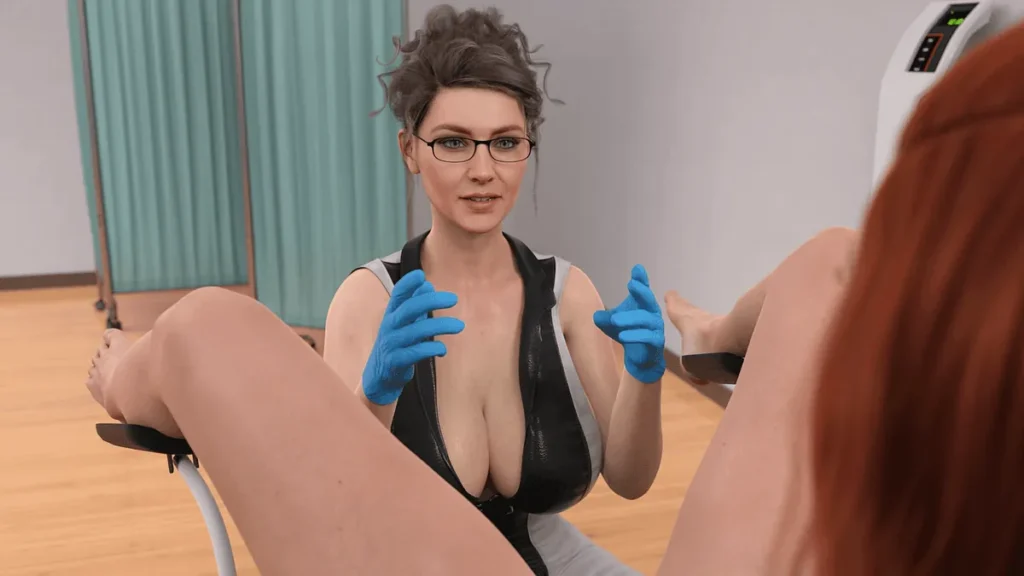
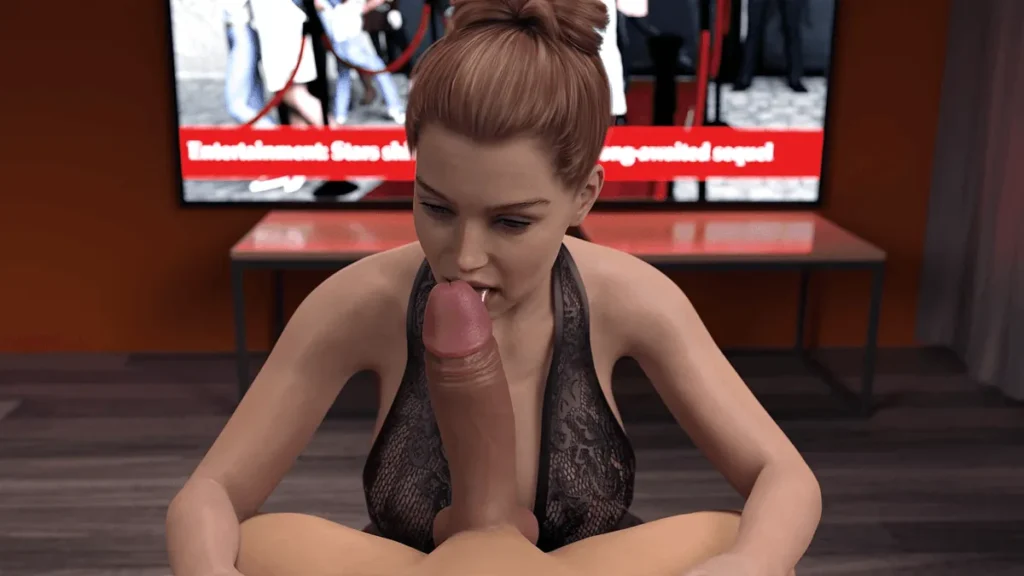
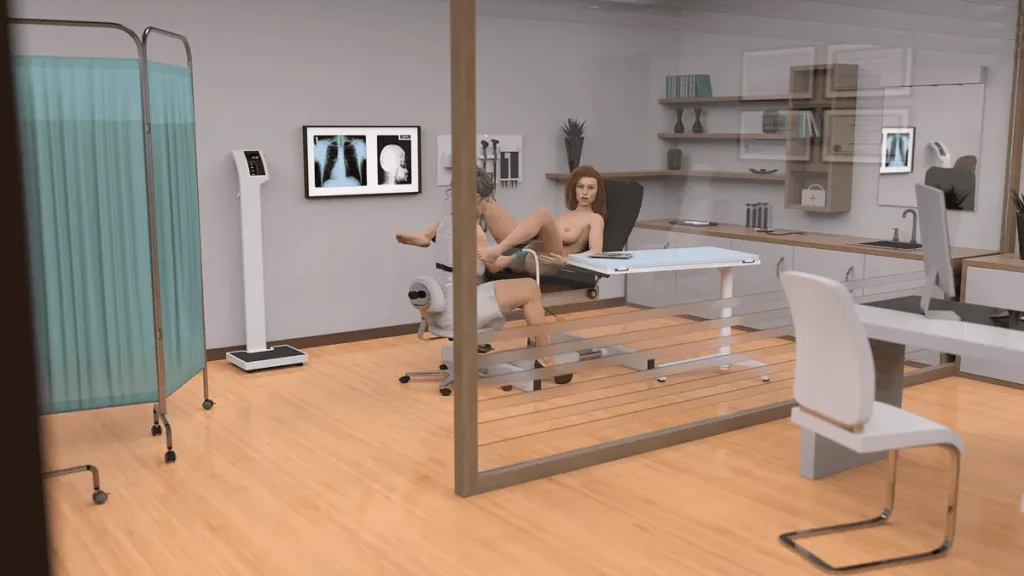
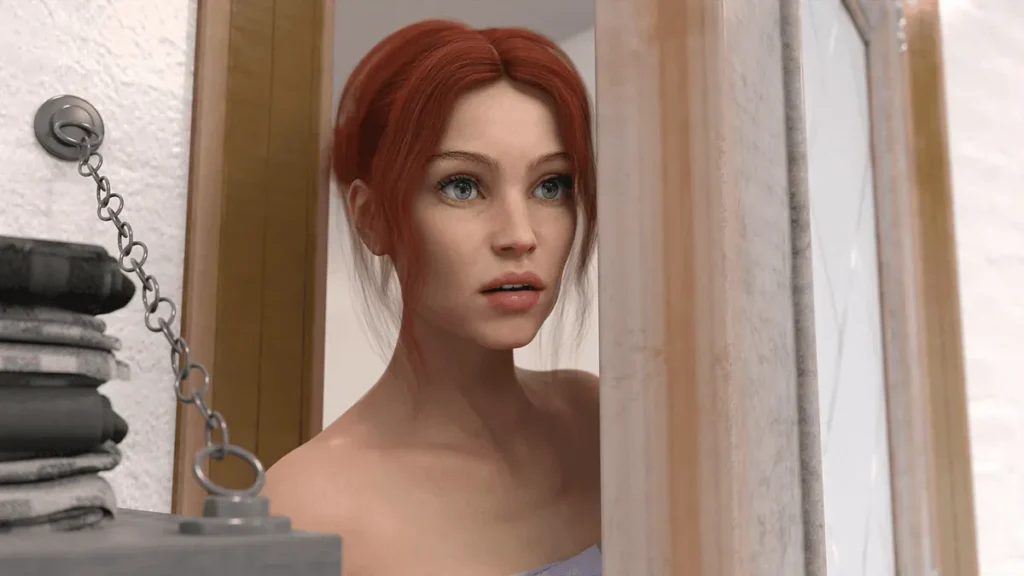
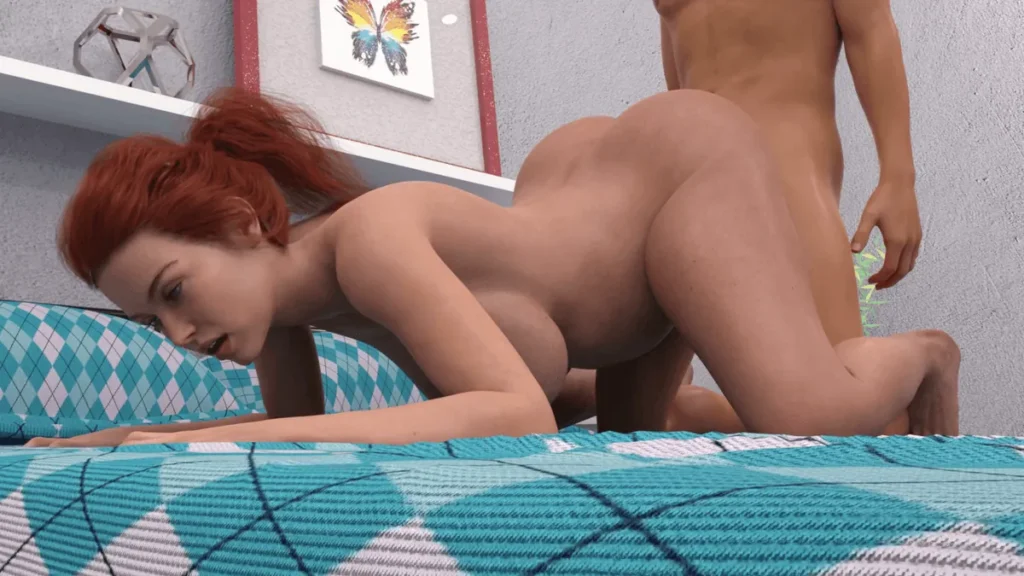
Adverse Effects review
Exploring the hidden downsides of this controversial adult game
Ever dove into ‘Adverse Effects,’ the edgy porn game that’s got everyone talking, only to feel a strange pull afterward? You’re not alone. This interactive title promises thrills but delivers a cocktail of intense visuals and scenarios that can linger longer than expected. In this article, I’ll share my own brush with its grip—hours lost in its loops left me drained and questioning my habits. We’ll break down the adverse effects on your mind, relationships, and daily life, drawing from player stories and real insights. If you’re playing or considering it, stick around to navigate its pitfalls smartly.
What Are the Real Adverse Effects of Playing This Game?
I remember staring at the screen at 2 AM, the blue glow the only light in the room. My first few sessions with the Adverse Effects game were electric, a rush of novelty and discovery. But that night was different. I was clicking, scrolling, unlocking scenes, but the thrill was… muted. I was chasing that initial high like a ghost, and it kept slipping further away. That’s the moment I realized this wasn’t just harmless fun anymore. I was experiencing the very adverse effects the game’s title ironically hinted at. This is the core of the porn game downsides—the way something designed for excitement can quietly rewire your expectations and habits.
This chapter isn’t about shame; it’s about awareness. Let’s pull back the curtain on what happens when play becomes compulsive, exploring the real effects of Adverse Effects on the mind and daily life.
How It Hijacks Your Brain’s Reward System 🧠
At its core, the adverse effects game is a masterclass in neuro-teasing. It operates on the same fundamental principles as other compulsive behaviors. Your brain has a reward pathway—think of it as an ancient “seek and find” circuit. When you do something pleasurable or necessary for survival, it releases a chemical called dopamine. This is the “good job!” signal. It feels great, so you want to do it again.
Games like Adverse Effects supercharge this loop. Every new scene, every unlockable scenario, every progression bar filled is a deliberate, unpredictable dopamine hit. It’s not just about the explicit content; it’s the gamification—the points, the choices, the “what if?” pathways. Your brain learns: interact with this = receive reward.
The problem is neuroplasticity. Your brain is adaptable. With repeated, intense stimulation, it starts to change to cope. This is where we see the real brain changes from porn games:
- Desensitization: 🥱 Imagine eating spicier and spicier food every day. Soon, a normal meal tastes bland. Your brain adapts to the intense stimulation of the game. The content that once shocked or excited you becomes routine. To get the same “hit,” you need more novelty, more intensity, or more time. You might find yourself seeking out more extreme scenarios within the game or playing for hours longer than intended just to feel something.
- Tolerance: 📈 This goes hand-in-hand with desensitization. The same dose no longer works. That initial 30-minute session that left you buzzing now requires a 2-hour binge to achieve a lesser effect. This creates a vicious cycle of bingeing, chasing a feeling that’s always just out of reach, followed by a crash or a numb feeling.
- The Withdrawal Cycle: 😣 When you stop, your brain, now accustomed to that high level of artificial stimulation, can feel under-stimulated. This can lead to irritability, brain fog, anxiety, or a flat mood. The easiest solution for your brain? Go back to the source. This cycle—binge, crash, crave, repeat—is the engine of compulsive use.
Understanding these effects of Adverse Effects is crucial. It shifts the view from a lack of willpower to a recognizable pattern of brain adaptation. You’re not weak; your brain is simply doing its job a little too well in an unnatural environment.
Signs of Escalation: From Fun to Obsession ⚠️
So, how do you know if your engagement with the Adverse Effects game is shifting from a hobby to a problem? It’s rarely a sudden switch. It’s a slow creep. Here are key Adverse Effects addiction signs to watch for:
| Sign | What It Looks Like |
|---|---|
| Creeping Craving | Thinking about the game or its themes frequently when you’re not playing. Using it as the default mental escape from boredom or stress. |
| The Need for “More” | The standard content no longer satisfies. You find yourself deliberately choosing the most extreme narrative paths or seeking out mods/forums for additional, harder content. |
| Time Dilution | You sit down for “a quick session” and suddenly three hours have vanished. You consistently play longer than you planned. |
| Neglect of Duties | Chores, work deadlines, or social commitments start to slip. You choose playing over responsibilities, often justifying it to yourself. |
| Mood Dependency | Your mood becomes tied to the game. You feel anxious or irritable when you can’t play, and only feel “normal” or “good” after a session. |
| Impact on Real Connections | You withdraw from real-life partners, friends, or family. Real intimacy may feel less appealing or more complicated compared to the game’s frictionless fantasy. |
Spotting one or two of these occasionally might not be a crisis. But if you see a cluster of them becoming your normal, it’s a bright red flag. These are the clear porn game downsides manifesting in your daily life. It’s the game transitioning from something you do to something that has a grip on you.
Player Stories: When the Thrill Turns Sour 😔
The science and the signs make sense on paper, but they hit differently through real stories. Here are anonymized glimpses into player experiences Adverse Effects has shaped.
Mark’s Story (The Isolator):
“Adverse Effects became my entire evening ritual. I’d come home from my IT job, exhausted, and just disappear into it. My girlfriend would try to talk to me, and I’d be short, just waiting to get back to the game. I stopped wanting to go out. Why bother, when I had this endless, perfect world of stimulation at home? The adverse effects for me were entirely social. I pushed away someone I loved for pixels on a screen. It took her moving out for me to see how deep I was in. My recovery started with deleting the game and literally scheduling phone calls with friends to rebuild those muscles.”
Alex’s Story (The Chaser):
“For me, it was all about the escalation. I got bored so fast. I’d hunt for every secret ending, every hidden scene, and then I’d look for fan-made content to go further. It felt like an intellectual hunt at first, but my Adverse Effects addiction signs were clear: I was neglecting my freelance work. Missed deadlines. My sleep schedule was destroyed. The worst part was the numbness afterward—a hollow, spent feeling. The ‘high’ was brief; the crash was long.”
“I realized I was using the game like a drug. To avoid feeling lonely, stressed, or insecure. Uninstalling was the easy part. The hard part was sitting with those uncomfortable feelings instead of running to the screen. I started running literally—jogging when the craving hit. It doesn’t give the same rush, but I feel better about myself after.”
These player experiences Adverse Effects creators never intended highlight a common thread: the game often becomes a solution for a different problem—boredom, stress, loneliness, anxiety. But it’s a solution that, over time, worsens the very issues it temporarily masks.
What Can You Do? Practical Steps to Rebalance 🛠️
If this resonates, don’t despair. Awareness is the first and most powerful step. Here is actionable advice to counter the adverse effects game dynamic:
- Audit Your Play: 🕒 For one week, simply log your sessions. Use a simple notepad app. Note: Time started, time ended, what prompted you to play (boredom? stress?), how you felt before and after. This data is gold. It removes denial and shows your personal pattern.
- Implement Hard Stops: ⏱️ Use a physical kitchen timer or a strict app blocker. Decide on a reasonable time limit before you launch the game and stick to it. When the timer goes off, close the game. No “just one more minute.”
- Create a “Bridge” Activity: 🌉 Identify the feeling that usually drives you to play. Is it boredom? Have a book, a puzzle, or a chore ready to go. Is it stress? Try 5 minutes of deep breathing or a quick walk first. Build a bridge between the urge and the action.
- Digital Detox & Environment Design: 📵 Consider a full 72-hour break from the game. Notice the cravings—they will come—and let them pass like a wave. Afterwards, make the game harder to access. Move the shortcut, put it in a folder, or consider uninstalling it and making a conscious decision to reinstall only for a specific, timed session.
- Seek Connection, Not Just Accountability: 🤝 Tell a trusted friend what you’re working on. The goal isn’t for them to police you, but to break the secrecy. Often, saying it out loud diminishes its power. Ask them to check in on you about your hobbies, not just about not playing the game.
The goal isn’t necessarily to quit forever (unless you want to), but to break the compulsive cycle and restore choice. You want to play the game, not have the game play you.
The effects of Adverse Effects can be stealthy, changing your brain and habits one session at a time. But by recognizing the hijacking of your reward system, identifying the signs of escalation, and learning from others’ stories, you reclaim your perspective. This game, like any powerful tool, demands respect and boundaries.
What would it feel like to be in control of your playtime again? What real-life adventures or connections could you rediscover with the time and mental energy you reclaim? Facing the porn game downsides is the first, brave step toward answering those questions for yourself.
Diving into ‘Adverse Effects’ can spark excitement, but as we’ve explored, its grip on your brain, relationships, and habits demands caution. From my own sessions and stories shared by others, the key takeaway is balance—recognize the warning signs early, set firm boundaries, and prioritize real connections over screen highs. If it’s starting to overshadow your life, pause, reflect, and reach out to a trusted friend or professional. You’ve got the power to play smarter, not harder. What’s one step you’ll take today to reclaim control?