Play After the Inferno
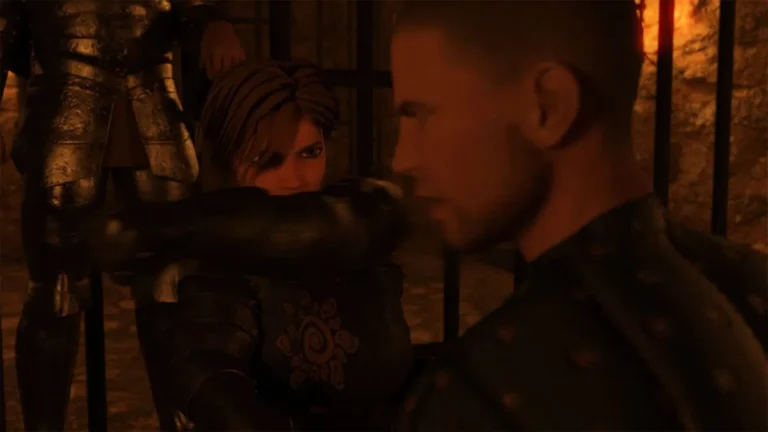
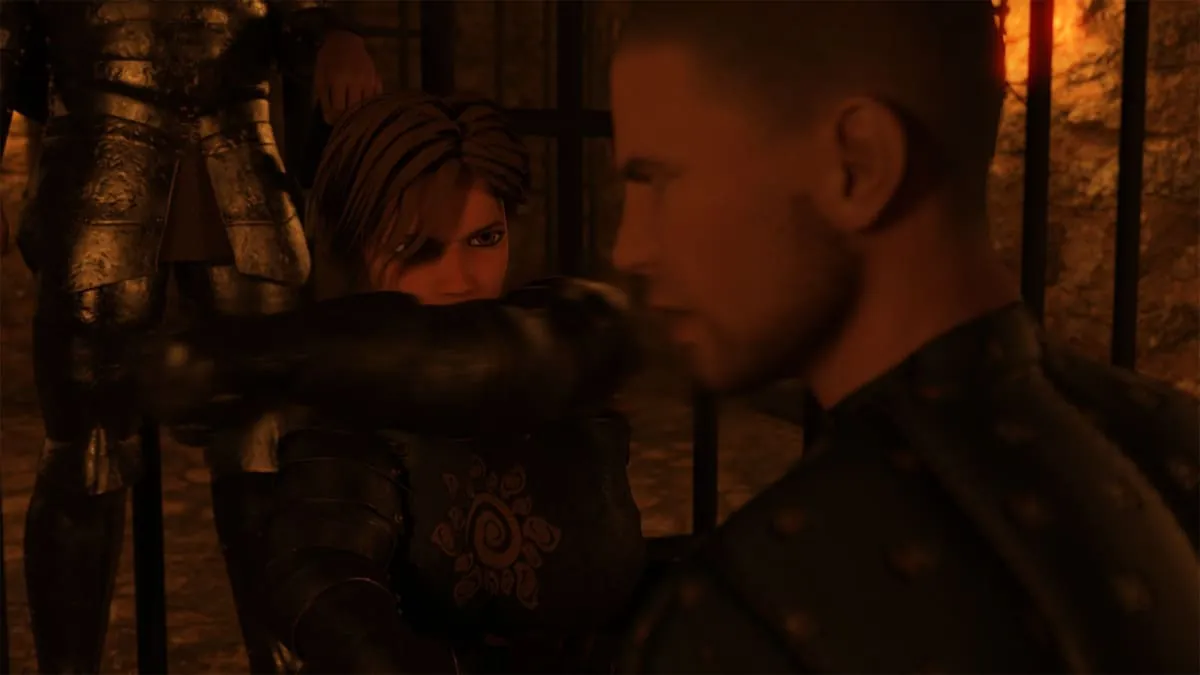
After the Inferno Screenshots

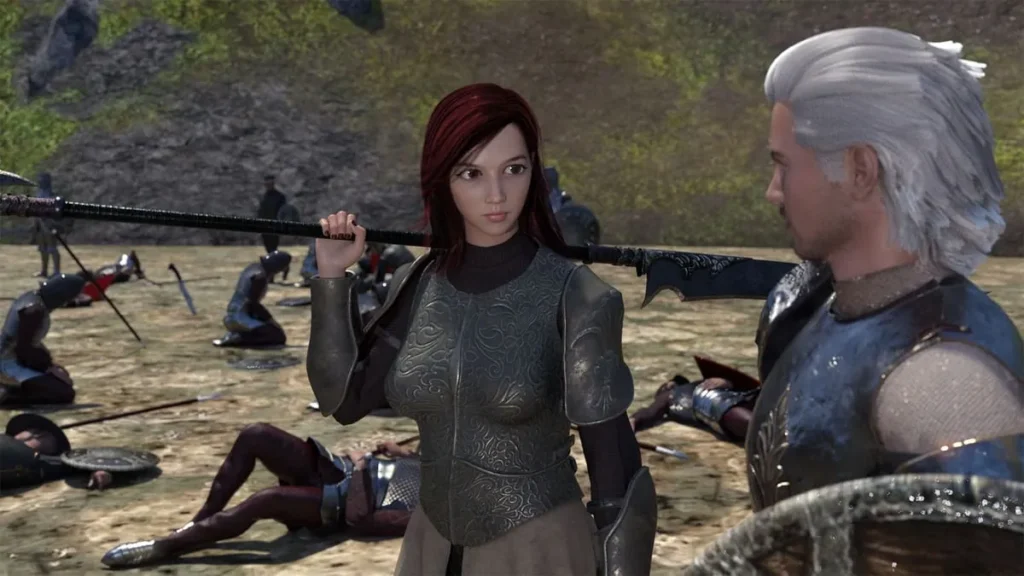
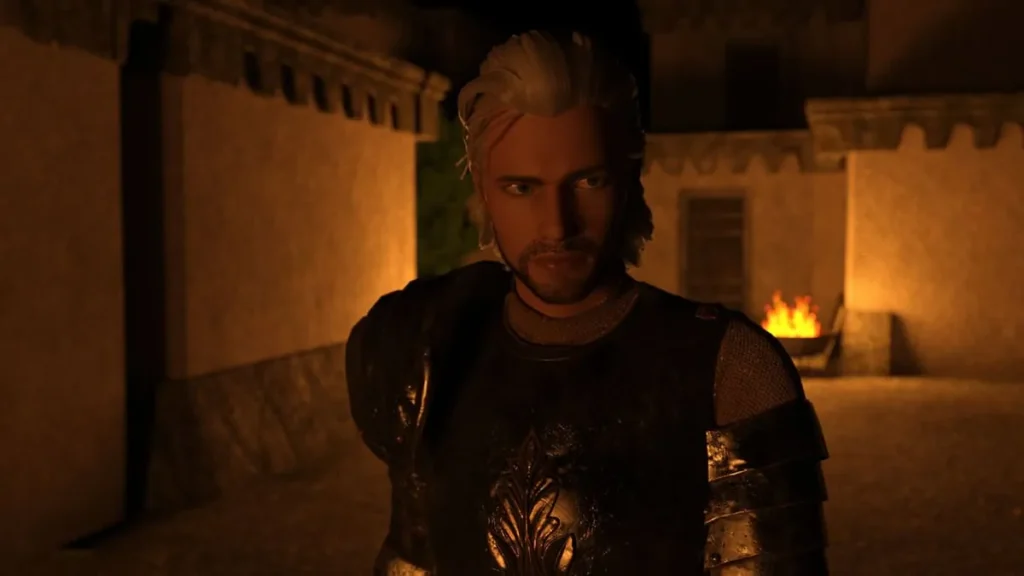
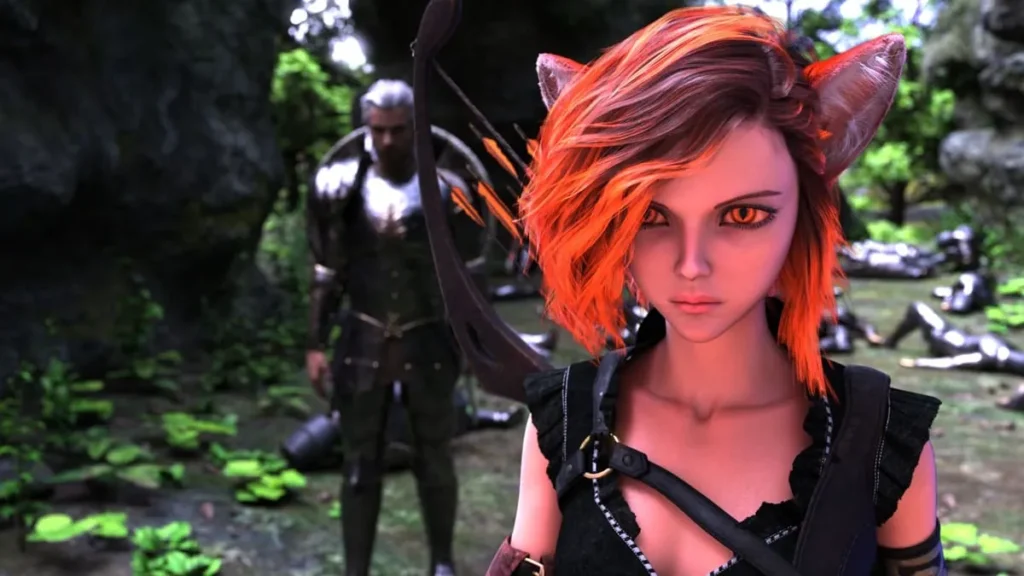
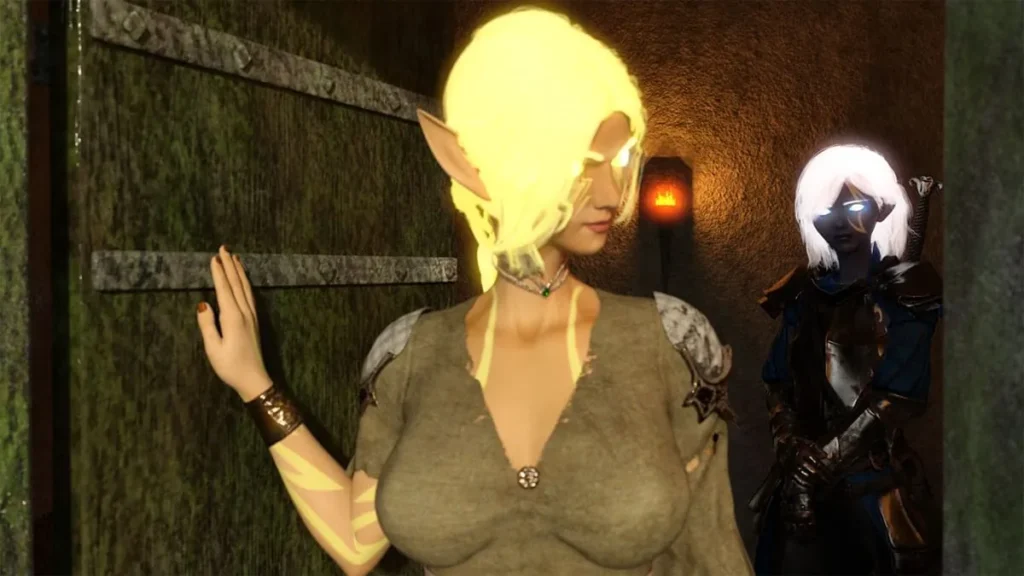
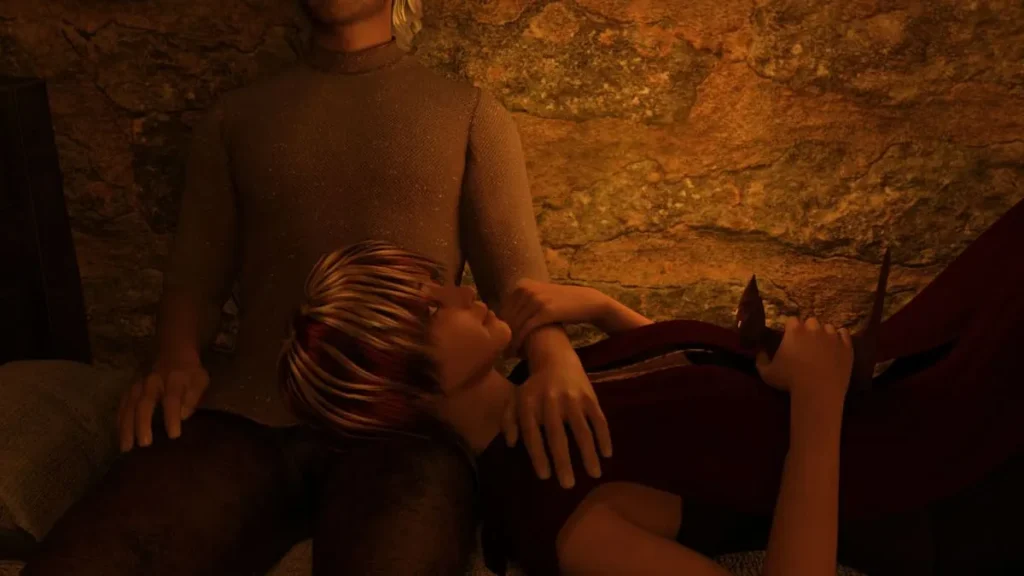
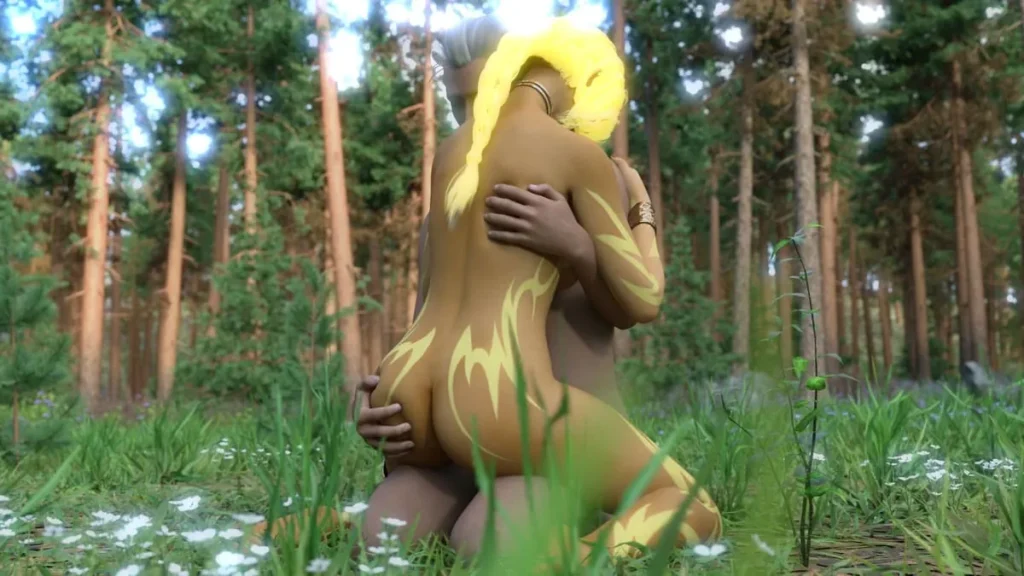
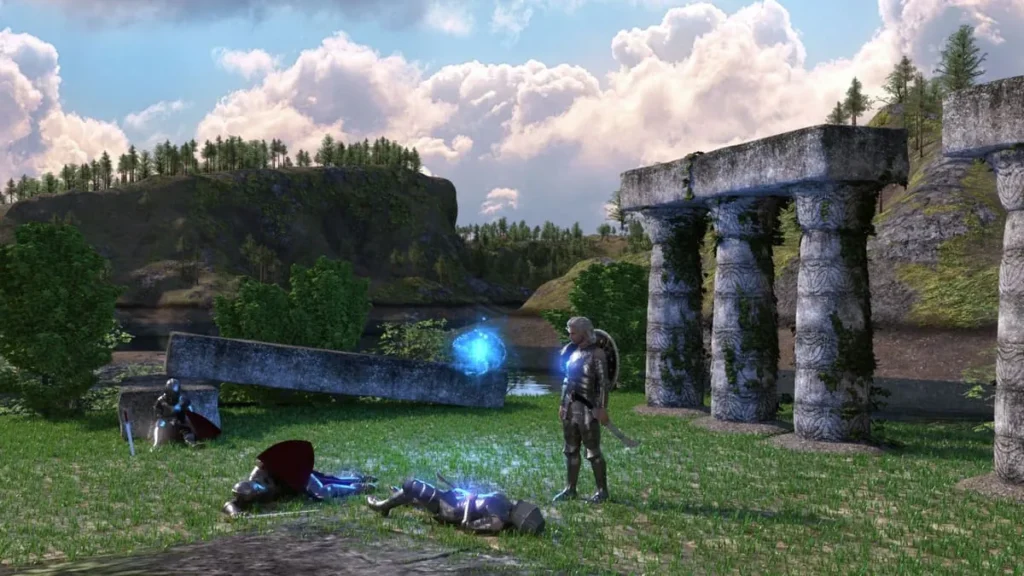
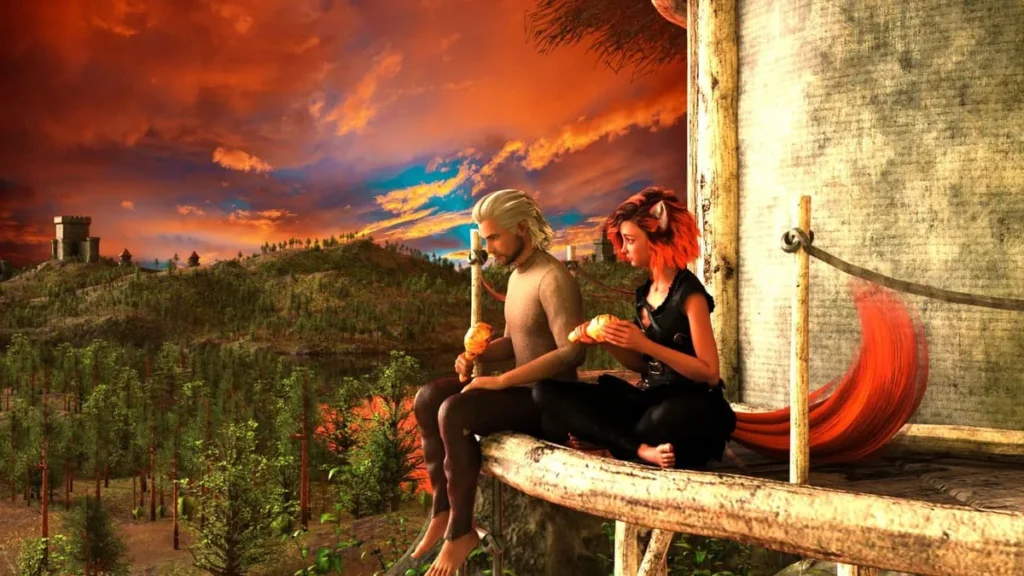
After the Inferno review
Explore the Spicy Visual Novel’s Story, Choices & Intimate Scenes
Dive into ‘After the Inferno’, the captivating NSFW visual novel that’s blending deep storytelling with steamy animated scenes in a medieval fantasy world. As Devran, a young adventurer, you’ll navigate quests, build relationships with alluring characters, and uncover lore-rich plots. Whether you’re here for the immersive narrative or the optional intimate moments, this game delivers choice-driven adventures packed with comedy, drama, and romance. I’ve spent hours exploring its branches—stick around as I break down what makes it a standout adult game experience.
What Makes After the Inferno Stand Out?
I’ll be honest, I almost scrolled right past After the Inferno. Another medieval fantasy visual novel in a sea of them? But the artwork caught my eye—gritty, detailed, and full of character. So, I clicked. A few hours later, I was completely lost in its world, my planned “quick look” having derailed an entire evening. That’s the magic of this game. It doesn’t just tell you a story; it makes you the architect of one within a richly broken world. If you’re wondering what is After the Inferno, think of it as your personal, interactive epic where every decision, from battlefield tactics to whispered confessions, truly matters.
This After the Inferno game masterfully blends several styles into one cohesive experience. At its heart, it’s a visual novel driven by compelling dialogue and relationships. But it also has the exploration of a point-and-click adventure and the open-ended, daily-life structure of a sandbox. You’re not just reading about Devran’s journey; you’re living his weeks, managing his time, and deciding which threads of conspiracy, camaraderie, or passion to pull on next. The result is a game with astounding replayability, as no two playthroughs will ever be exactly the same. For anyone curious about the After the Inferno gameplay, it’s this seamless fusion of narrative choice and world simulation that sets it apart.
Unpacking the Core Story and Setting
You step into the worn boots of Devran, a man with a shrouded past arriving in the formidable city of Valenhold. The world is a breathtaking yet brutal medieval fantasy visual novel setting, living in the long shadow of a cataclysmic event known as the Inferno. Magic is feared, religions clash, and ancient evils stir in the forgotten corners. Valenhold itself is a character—a place of towering spires, shadowy taverns, and a powerful knights guild that becomes your new home.
The core After the Inferno story premise is deceptively simple: prove yourself worthy of the prestigious Dawnbringer Knights. But wow, does it spiral into something magnificent from there. 🏰 This isn’t a linear “hero saves the day” plot. You’ll uncover political machinations within the guild, investigate a sinister cult lurking in the city’s underbelly, and confront moral dilemmas that have no easy answers. One of my favorite moments was a seemingly routine patrol that unearthed a smuggling operation with ties to a character I trusted implicitly—the game is fantastic at making you question everyone’s motives.
What truly brings this world to life is the incredible depth of lore, accessible through an in-game codex. This isn’t just filler text. When you encounter a new faction, location, or deity, an entry is unlocked. I found myself actually reading them, not out of obligation, but because they added fascinating context to the character interactions and political tensions. Learning about the stark differences between the sun-worshipping Luminists and the more pragmatic Church of the Earth Mother, for example, explained so many of the subtle tensions in conversations. This dedication to world-building makes the After the Inferno visual novel feel less like a game and more like a living, breathing history you’re actively shaping.
Why the Choice-Driven Gameplay Hooks You
If the setting is the stage, the choices are the performance. This is where the After the Inferno game truly shines and earns its spot as a standout visual novel. Every dialogue option, every decision on how to spend your afternoon, and every moral crossroads carries tangible weight. Are you going to spend your evening training at the grounds to boost your combat stats for an upcoming mission, drinking with your fellow recruits to strengthen bonds (and unlock new dialogue trees), or sneaking off to meet a romantic interest for a private, moonlit conversation? You can’t do it all, and that limitation is what makes your story uniquely yours.
The After the Inferno gameplay loop is brilliantly addictive. Your time is divided into days and weeks, giving you a constant, delicious sense of agency. You’re not passively watching events unfold; you’re actively planning your route through them. This structure creates genuine stakes. I remember agonizing over whether to use my one free afternoon to follow a lead on the main conspiracy or to keep a promise I’d made to a character I was romancing. The game remembered that broken promise, and it subtly changed that relationship for chapters afterwards.
The brilliance is that these choices aren’t just about “good” or “evil.” They’re about who Devran becomes: a honorable paragon, a cunning pragmatist, a charismatic leader, or a guarded loner. Your relationships with the diverse cast—from fellow knights to cunning merchants and mysterious healers—evolve entirely based on your cumulative interactions. This makes for incredible replayability. On a second playthrough, I made drastically different choices and was stunned by how early the story branches began to diverge, leading to completely different alliances and even uncovering plot threads I’d missed entirely the first time.
🎯 Actionable Advice: Use multiple save slots liberally! Save at the start of each new in-game week and before any major story decision. This lets you explore branching paths and see how different choices play out without replaying dozens of hours.
To give you a clearer picture of how this experience stacks up, let’s look at how its core features compare to the broader genre.
| Feature | After the Inferno | Typical Visual Novel |
|---|---|---|
| Story Depth & Lore | Extensive, with a full in-game codex detailing world history, religions, and factions. | Lore is often delivered only through main story dialogue. |
| Choice Impact | High. Choices affect plot branches, character relationships, stats, and multiple endings. | Moderate. Often leads to a few predetermined endings, with limited mid-game branching. |
| Gameplay Style | Hybrid. Blends visual novel narration with time-management and light stat-building. | Predominantly linear reading with occasional dialogue choices. |
| Scene Options | Fully optional. Integrated but skippable, with no progression penalty. | Often mandatory or a primary focus of the game’s design. |
| Protagonist | Defined male (Devran) with a flexible personality shaped by player choices. | Frequently a silent or gender-selectable protagonist. |
Animated Scenes: Optional but Integral
Let’s talk about the aspect that often draws initial curiosity: the animated intimate scenes. In my After the Inferno review of this mechanic, I have to applaud the developer’s thoughtful approach. These scenes are fully optional. A simple toggle in the settings allows you to enable or disable them, and choosing to skip them carries absolutely no penalty to your story progress, relationship development, or ability to unlock endings. This design philosophy is respectful and inclusive, ensuring the game’s deep narrative and character work remains accessible to all players.
For those who do engage with them, the scenes feel earned and integral to the character arcs. They are not random titillation; they are narrative payoffs for time invested in building a genuine connection. Whether you’re pursuing the fiery warrior, the thoughtful scholar, or the mysterious outsider, these moments are crafted to reflect the unique dynamics of that relationship. The game also avoids punitive mechanics for exploring multiple romances, allowing you to experience different story paths—though, true to life, characters may have feelings about it if they find out! 😉
The writing here often blends passion with the game’s signature humor, preventing the tone from becoming overly serious. I recall a particularly funny line where a character, flustered while researching a potentially romantic ancient ritual, blurts out:
“It’s for research, it’s not sexual!”
It’s moments like these that keep the characters feeling human and relatable, balancing the epic fantasy stakes with personal, grounded humor.
Furthermore, the game features comprehensive galleries that unlock CGs and scenes as you encounter them, rewarding exploration and different relationship choices. This, combined with the sheer number of narrative branches, is a huge part of the After the Inferno game’s lasting appeal. You’re motivated to replay not just to see a different ending screen, but to experience entirely different character moments and learn new secrets about the world.
So, what’s my final verdict in this After the Inferno review? This is a standout title that deserves attention not just for one feature, but for the remarkable synergy of all its parts. It offers a deep, choice-driven After the Inferno story in a compelling medieval fantasy visual novel world. The After the Inferno gameplay empowers you with real agency, and its respectful handling of mature content sets a great example for the genre. If you’re looking for an experience where your choices matter, where the world feels alive with history and conflict, and where you can truly craft a personal legend, then your next great adventure is waiting in the ashes of the Inferno.
After the Inferno masterfully mixes rich storytelling, meaningful choices, and optional steamy scenes into an addictive visual novel experience. From Devran’s adventures to heartfelt romances, it offers depth that keeps you coming back for more routes and secrets. If you’re into fantasy worlds with adult twists, grab it now—experiment with saves, dive into the codex, and craft your perfect playthrough. What’s your favorite path? Share in the comments and let’s discuss!