
Amity Park
Play Amity Park
Amity Park Screenshots


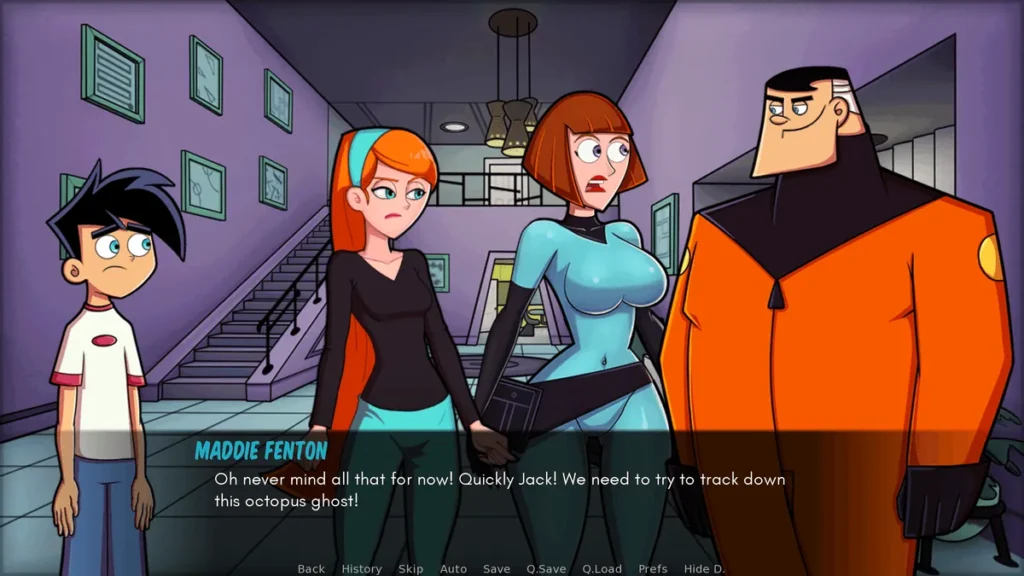


Amity Park review
Master the thrilling adventures and secrets in this captivating Amity Park experience
Ever stumbled into Amity Park and felt that rush of excitement mixed with mystery? This game pulls you into a world of dynamic characters, clever mechanics, and endless possibilities that keep you hooked for hours. As a fan who’s sunk countless evenings perfecting my strategies, I can tell you Amity Park stands out with its engaging storylines and rewarding progression. Whether you’re new to its portals of adventure or a seasoned player chasing every hidden path, this guide uncovers everything from basic controls to pro-level tactics. Dive in, explore the vibrant Amity Park landscape, and elevate your gameplay today.
Unlocking Amity Park’s Core Mechanics: What You Need to Know
My first hour with Amity Park was a glorious mess. ⏰ I spent an entire in-game day just wandering, clicking on everything, and getting absolutely nowhere. I missed a crucial story event because I was too busy trying to chat with every single NPC in the park. I thought the game was working against me. Then, it clicked. When I finally understood the dance between the Amity Park controls and the relentless tick of the Amity Park time management system, everything changed. That confusion turned into a full-blown addiction. Mastering these foundations isn’t just helpful—it’s the only way to truly unlock the secrets buried in this town. Let’s break down exactly what you need to know.
How Do Amity Park Controls and Time Management Work?
Think of Amity Park mechanics as a two-part harmony: your immediate actions (the controls) and the overarching clock that governs everything (time management). They are deeply intertwined, and failing to understand one will sabotage the other.
First, let’s talk Amity Park controls. They are deceptively simple, which is why they can be confusing at first. You navigate the beautifully rendered streets of Amity Park with standard directional inputs, but the magic is in the context-sensitive action button. This one button is your key to the world—talking, investigating, using items, and starting events. The real skill comes from navigating the radial menu that pops up when you hold the trigger. This is your command center for using skills, checking your inventory, and accessing your journal. A solid Amity Park walkthrough will always tell you where to go, but knowing how to interact quickly is on you.
To get you started, here’s a quick reference for the core actions:
| Action | Button | Outcome |
|---|---|---|
| Move Character | Left Stick / D-Pad | Navigate the map and explore environments. |
| Primary Interaction | X / A | Talk to NPCs, examine objects, pick up items (context-based). |
| Open Radial Menu | Hold L1 / LB | Access skills, inventory, and journal without pausing. |
| Cycle Targets (Combat) | R Stick Left/Right | Switch between ghosts or challenges during a fight. |
| Dodge / Cancel | Circle / B | Evade attacks in combat or cancel a menu selection. |
Now, onto the heartbeat of the game: Amity Park time management. ⏳ Every action you take consumes time. Reading a poster might take 15 minutes. A lengthy conversation with a friend could eat up an hour. Ghost-hunting excursions can consume entire afternoon blocks. The game operates on a daily cycle from 8:00 AM to midnight, and certain events, character interactions, and story beats are only available at specific times or on specific days.
My breakthrough came when I stopped trying to do everything in one day. Here’s my golden rule: Each day, pick one major goal. Is it advancing the main plot? Building a relationship with a key character? Grinding for upgrade materials? Focus your time blocks around that single goal. The game will subtly pressure you to react to every spooky disturbance, but sometimes you have to let the minor ghosts slide to secure a vital clue or be there for a friend when they need you.
Personal Insight: I almost failed a major story branch because I kept using my after-school time to randomly patrol. When I finally dedicated those hours to visiting the library and researching the town’s history, I unlocked a dialogue option that completely changed my relationship with a core character, leading to an exclusive side-quest.
To master your daily schedule, start with this routine:
- Morning (Before School): Quick check-ins. Visit one location on your way. This is perfect for a brief NPC chat that boosts a relationship slightly or grabbing a consumable item.
- After School (Prime Time): 🎯 This is your major action block. Dedicate this to your main goal—story progression, a planned investigation, or a hangout session.
- Evening: Slightly more limited options. Often used for quieter activities like crafting, reviewing clues in your journal, or specific night-time events that trigger.
- Night: High risk, high reward. Major spectral activity happens here, but your energy is lower. Don’t schedule tough fights right before midnight unless you’re prepared.
Mastering Character Skills in Amity Park
Your stats aren’t just numbers on a screen in Amity Park; they are the literal keys to the town’s secrets. Amity Park character skills—like Ecto-Awareness, Persuasion, Tech Savvy, and Bravery—act as passive locks and keys on the world. Seeing a hidden ghost portal might require Ecto-Awareness Level 3. Convincing a skeptical adult to hand over information may need Persuasion Level 4.
You improve these skills primarily by using them. Successfully track a ghost? Your Ecto-Awareness gets a bump. Choose persuasive dialogue options? Your Persuasion grows. This is where your time management directly feeds into your character build. Spending an afternoon helping a certain character with their tech project might grind your Tech Savvy, which later allows you to bypass a security system for a huge advantage.
Investing in the right skills early can dramatically alter your Amity Park walkthrough path. In one playthrough, I focused heavily on Bravery and Combat skills. I became a powerhouse in fights but hit a wall when I needed to peacefully resolve a conflict with a sentient ghost, missing out on a whole narrative branch. On another, I maxed out Persuasion and Ecto-Awareness early. I unlocked so many alternative solutions and hidden lore entries that the story felt completely different—and richer.
Case Study: Unlocking the Librarian’s Archive
Early on, I made a habit of visiting the town library after school. I’d always choose dialogue options that involved “Researching” or “Asking for help finding old records.” This consistently raised my Knowledge skill. After about a week of in-game time and reaching Knowledge Level 4, the librarian, Ms. Albright, personally invited me into the restricted archive. This wasn’t just a new room; it was a treasure trove of old newspapers, diaries, and maps that unveiled three new side-quests and gave me critical weaknesses for several boss-type ghosts. None of this was listed on the main map. It was a direct reward for focused skill building.
Navigating Combat and Daily Choices Effectively
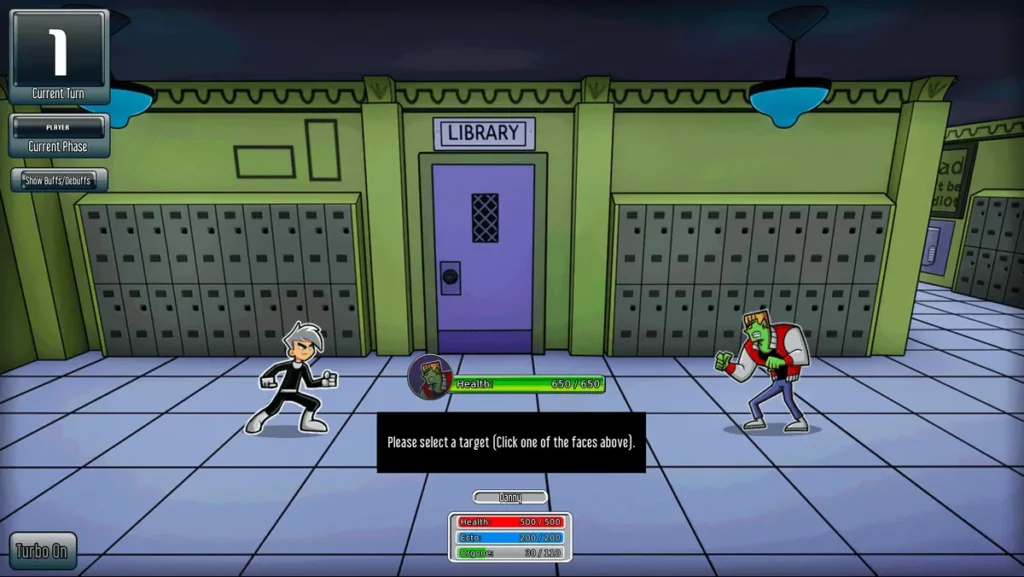
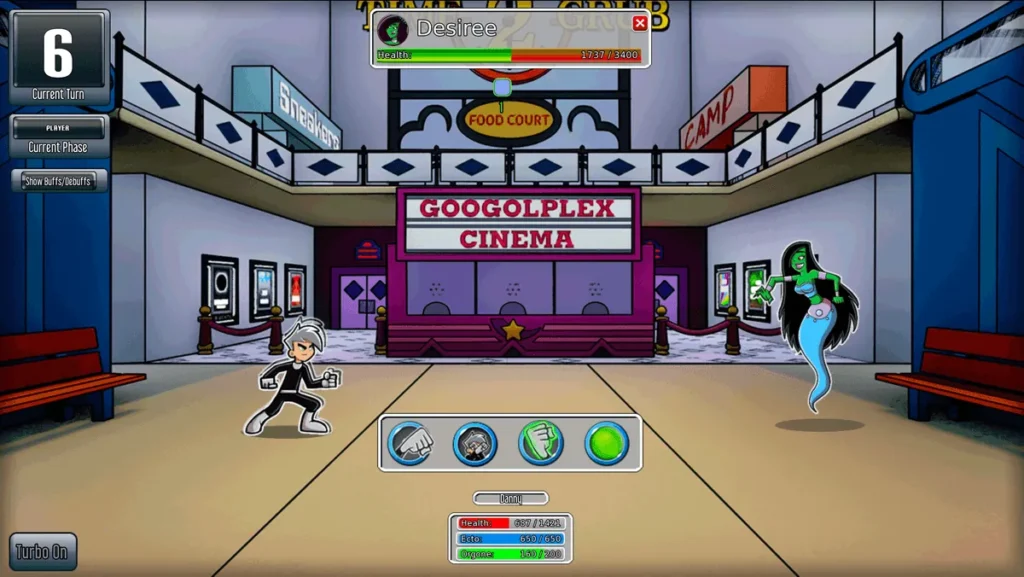
The thrill of Amity Park isn’t just in the exploration; it’s in the tense confrontations. This Amity Park combat guide will cover the basics you need to survive. Fights are turn-based, but with a dynamic action queue. You have standard attacks, skill-based actions that consume EP (Ecto-Points), and item use. The key mechanic isn’t just dealing damage; it’s managing the ghost’s Stability Bar. Certain skills or elemental items will reduce this bar more effectively. Empty it, and you can attempt a capture or a decisive finishing move.
But combat is also about defense. The Dodge command is your best friend. 🛡️ Timing a dodge just as an enemy telegraphs its attack not only avoids damage but can sometimes fill your own EP meter. I remember a desperate fight in the abandoned cinema where I was outmatched. My health was low, and my EP was drained. Instead of attacking, I spent two turns purely dodging, letting my EP recharge just enough to unleash a high-level skill that turned the tide. Resource conservation is everything.
Your daily choices directly impact combat, too. Did you spend your evening crafting spectral shields? Did you use your after-school time to gather intel on the ghost you’re hunting, revealing its weakness? Or did you fritter that time away and now have to face it unprepared? The game brilliantly ties everything together.
Ultimately, how to play Amity Park successfully boils down to balance. You must balance your daily schedule between fighting, friendship, and investigation. You must balance your skill upgrades to match your desired playstyle. And you must balance aggression with caution in combat.
Practical Advice for Your First Week In-Game:
1. Don’t Fight Every Ghost: Some early encounters are meant to be fled from. Live to fight another, better-prepared day.
2. Pick One Friend: Focus your social energy on one core character initially. Deep bonds unlock more than shallow ones with everyone.
3. Upgrade Your Gear at Home: Always check your home base for crafting upgrades before a big mission. A better scanner or a stronger trap makes a world of difference.
4. Read the Journal: The clues auto-log here. The game often won’t hold your hand—connecting dots is your job. ✨
5. Save Before Bed: Always. This lets you re-do an entire day if you realize you missed something crucial or made a catastrophic choice.
Master these Amity Park mechanics, and you’ll stop feeling like a victim of the clock and start feeling like the hero—or the savvy investigator—this haunted town needs. The adventures and secrets are waiting.
Wrapping up my journey through Amity Park, it’s clear this game blends clever mechanics, deep character bonds, and strategic choices into an unforgettable ride. From mastering those early combats to unlocking hidden story paths, every moment builds toward epic rewards that kept me coming back night after night. If you’re ready to transform casual play into dominance, jump in now—experiment with the tips here, chase those relationships, and share your wins in the comments. Your next big breakthrough in Amity Park awaits; don’t miss out on the thrill.