
Divine Dawn
Play Divine Dawn
Divine Dawn Screenshots







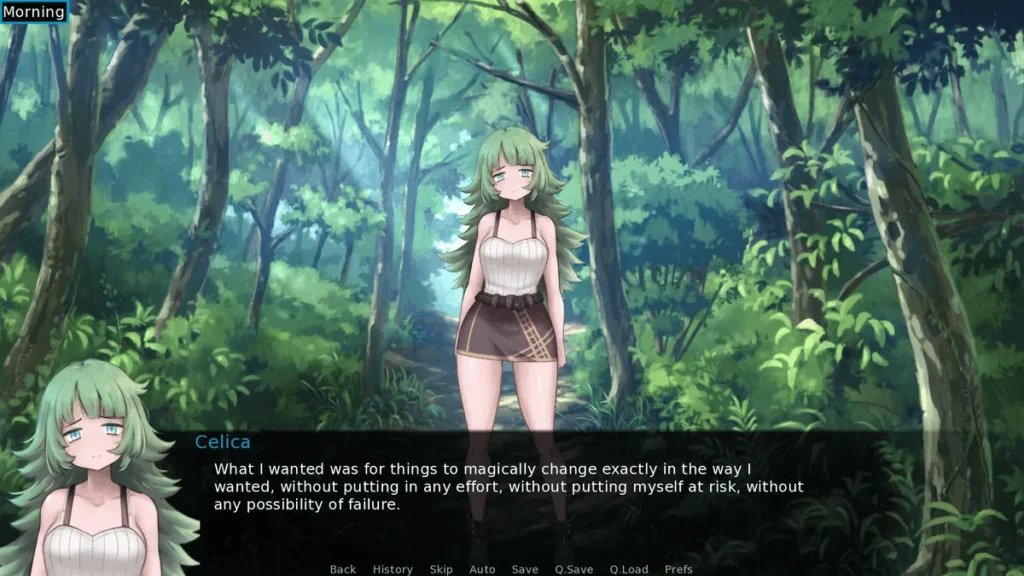


Divine Dawn review
A comprehensive guide to the turn-based RPG with romance and character progression
Divine Dawn stands out as a thoughtfully crafted turn-based RPG that blends engaging storytelling with meaningful character progression. This adventure follows an ambitious protagonist navigating a world where achievements unlock romantic possibilities and character customization shapes your journey. The game combines well-designed combat systems with rich world-building and character development, offering players a unique experience that prioritizes narrative depth alongside gameplay mechanics. Whether you’re interested in the strategic combat, the character relationships, or the immersive world, Divine Dawn delivers a polished experience that respects player agency and creative expression.
Gameplay Mechanics and Combat System
Let’s be honest: when you hear “turn-based RPG,” you might picture a static, menu-heavy slog where you just spam the ‘attack’ command until the enemy falls over. I know I did. 🤔 But from the moment I took my first turn in Divine Dawn, I realized this was something different. This isn’t about waiting your turn; it’s about crafting it. The core Divine Dawn gameplay mechanics are a masterclass in blending strategic depth with visceral satisfaction, wrapped in systems that make every victory feel earned and every character uniquely yours.
If you’re wondering what sets this experience apart, it all comes down to player agency. How does Divine Dawn combat work to make you feel like a tactical genius? How does its Divine Dawn character progression keep you hooked for dozens of hours? Let’s dive into the heart of the game and break down the systems that make it so compelling. 🎮
Turn-Based Combat Design and Strategy
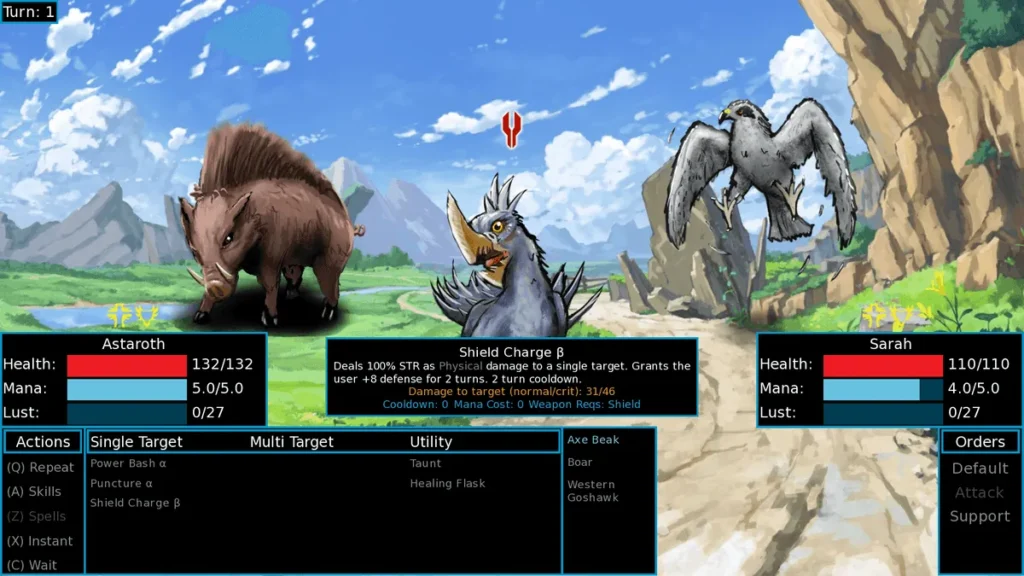
Forget static rows of heroes and monsters trading blows. The Divine Dawn turn-based combat is a dynamic, positional puzzle where every move matters. The battlefield is a grid, and where you stand is just as important as what ability you use. I learned this the hard way during an early encounter with a pack of Scorchlings. I’d grouped my party together for a buff, only to watch the enemy caster lob a massive area-of-effect fireball that nearly wiped my team. Lesson learned: spacing is survival.
The genius of the system lies in its Action Point (AP) economy. Each character has a pool of AP per turn, and every action—moving, attacking, using a skill—costs a certain amount. This creates deliciously tense decisions. Do I spend 3 AP to dash across the field and flank that archer, leaving just enough for a weak attack? Or do I stand my ground and unleash a powerful, 4-AP skill on the warrior in front of me? This granular control is the soul of Divine Dawn turn-based combat.
Pro Tip: Always keep a spare AP or two in reserve for reactions! Many skills, like the Guardian’s “Intercept” or the Rogue’s “Fade Step,” can be used outside your turn to block damage or reposition, completely changing the flow of a fight.
What truly elevates the combat are the Synergy Mechanics. Certain abilities set up combos for your allies. For example, my Water Mage’s “Chilling Blast” could drench enemies, setting them up for my Electro-Knight’s “Shocking Strike” to do catastrophic bonus damage and stun them. Discovering these interactions felt like uncovering secret rules to the universe. It encourages constant communication between your party members’ kits and turns random groups of heroes into a cohesive, devastating team. The Divine Dawn gameplay mechanics here are less about raw power and more about clever power multiplication.
Enemy design complements this perfectly. You’ll face foes with clear, exploitable patterns. Shield-bearing enemies might be immune to attacks from the front but vulnerable to flanking strikes. Ethereal ghosts could have high physical resistance but crumble to magical light attacks. Every encounter asks you to assess, adapt, and execute a plan. This focus on strategy over grind is what makes Divine Dawn combat work so brilliantly; it’s challenging but always fair, and victory tastes sweet because you outsmarted the game, not just out-leveled it.
Character Progression and Stat Development
Now, let’s talk about the engine that drives your journey: Divine Dawn character progression. This isn’t a simple matter of gaining a level and watching numbers go up. It’s a deeply personal journey of shaping a hero to fit your exact playstyle, and it’s incredibly rewarding.
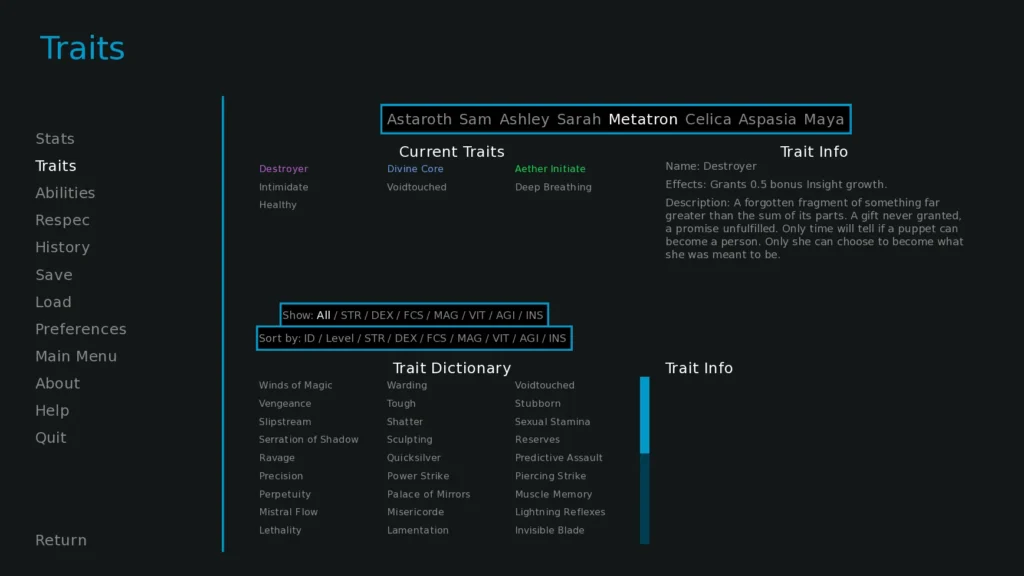
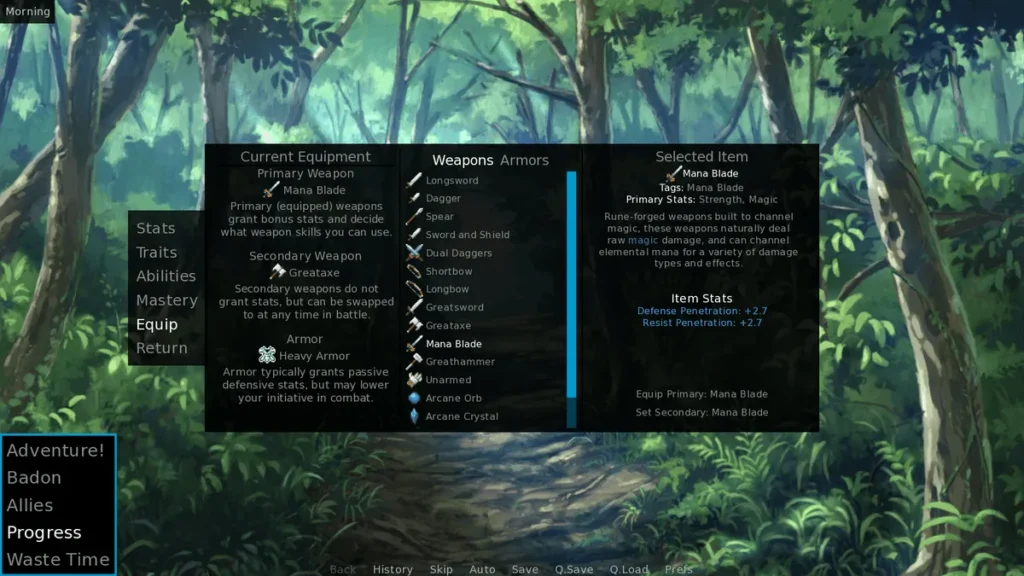
At the core is the Divine Dawn stat system, a multi-layered framework that gives you immense control. When you level up, you don’t get automatic stat increases. Instead, you earn Progression Points. You can invest these points directly into your core attributes—like Might, Finesse, Arcana, and Resolve—to broadly strengthen your character. But the real magic happens with Specialization Points. These are earned through key story milestones and major side quests, and they allow you to unlock and upgrade powerful passive abilities and active skills within your chosen class trees.
Here’s a breakdown of the primary stat categories and how they influence your Divine Dawn character customization:
| Stat Category | Primary Influence | Playstyle Example |
|---|---|---|
| Might 💪 | Physical damage, carry capacity, melee effectiveness. | The classic warrior who breaks armor and staggers foes. |
| Finesse 🎯 | Accuracy, critical hit chance, action point generation. | The archer or duelist who strikes vital spots for massive damage. |
| Arcana ✨ | Magical potency, spell duration, elemental effects. | The sorcerer who manipulates the battlefield with devastating spells. |
| Resolve 🛡️ | Health, defensive resilience, buff/debuff duration. | The tank or support who anchors the team and protects allies. |
| Insight 🔍 | Skill check success, discovery of hidden elements, dialogue options. | The perceptive leader who finds secret paths and talks their way out of fights. |
| Spirit ⚡ | Total Action Points, skill cooldown reduction, reaction speed. | The agile tactician who acts more often and adapts quickly. |
This table just scratches the surface. The true depth of the Divine Dawn stat system comes from how these stats interact with your gear, skills, and even romance partner bonuses. I built my main character as a high-Finesse, high-Spirit Rogue, focusing on generating extra AP to chain multiple weak-but-precise strikes that applied poison stacks. My partner, playing co-op, went for a high-Might, high-Resolve Vanguard who taunted enemies and set them up for my backstabs. Our stats and specializations created a perfect, synergistic loop.
And the progression feels meaningful all the way to the max level. The cap is high enough to feel like a monumental achievement, but the curve is designed so you get tangible power spikes at regular intervals. You’re never just grinding for that next level; you’re working toward a specific new skill or stat threshold that will enable a whole new tactic. This engaging Divine Dawn character progression system is a constant drip-feed of “what if I tried this?” that keeps you utterly invested in your party’s growth.
Magic Systems and Exploration
If combat is the game’s challenging heart and progression is its rewarding spine, then the Divine Dawn magic systems are its boundless, wonder-filled soul. Magic here isn’t just a menu of damage spells; it’s a toolkit for world interaction, a catalyst for exploration, and a playground for experimentation.
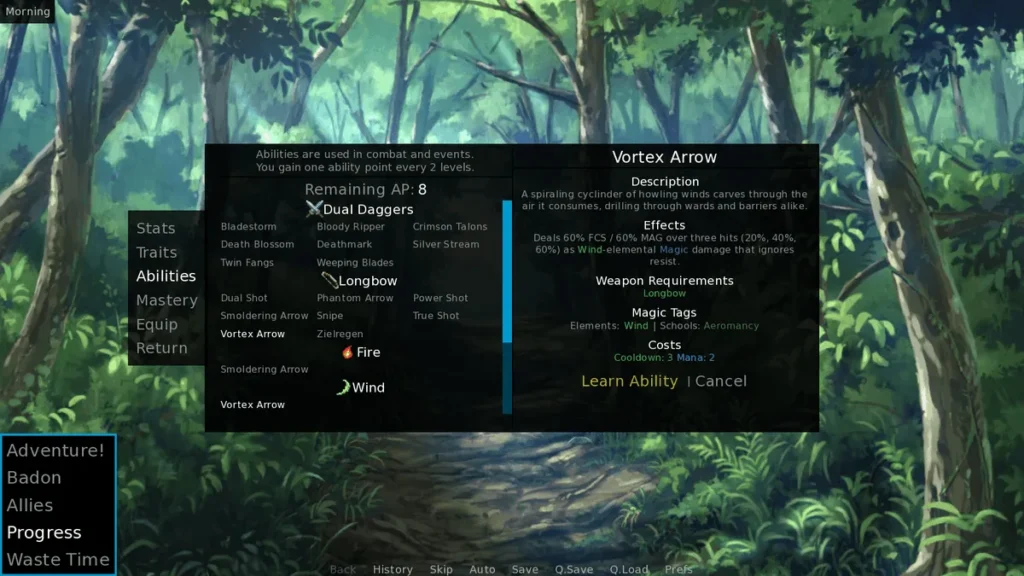
The system is divided into distinct schools—Pyromancy, Hydromancy, Geomancy, Aeromancy, and the rare Luminal and Umbral arts. Each school has its own philosophy and mechanics. For instance, Geomancy isn’t just about throwing rocks. It allows you to raise temporary earthen barriers to block enemy lines of sight, create pillars to gain a height advantage for your archers, or soften stone walls in the overworld to reveal hidden caves. 🗺️
This is where the magic system brilliantly fuels exploration. You’ll see a wall covered in glowing frost runes in a dungeon. Your Hydromancy skill might be too low to dispel it now, but make a note on your map and return later. That previously inaccessible ledge? A high-level Aeromancy spell might let you summon a gust of wind to jump there. The world of Divine Dawn is littered with these magical locks and keys, making your growing arcane power feel directly tied to uncovering its secrets. The Divine Dawn magic systems make you view the environment not just as a backdrop, but as a puzzle to be solved with your ever-expanding abilities.
Experimentation is not just encouraged; it’s systematically rewarded. The game features a robust Spell Crafting altar. Here, you can combine base spell components (essences you find from defeating magical creatures or harvesting rare plants) to create entirely new effects. Early on, I combined a basic Fire Essence with a Gust Essence to create “Scattering Ember,” a low-damage spell that also pushed enemies back. It was a game-changer for controlling the battlefield. Later, I stumbled upon a recipe for “Aegis of the Sun” by combining Luminal Essence with a rare Crystalized Resolve—a powerful party-wide defensive buff.
Personal Insight: Don’t hoard your essences! The game throws plenty at you. Spend an hour at the crafting altar mixing and matching. Some of my most powerful and utility spells came from “failed” experiments that produced unexpectedly useful results.
This approach to Divine Dawn gameplay mechanics means no two mages will be exactly alike. You could focus entirely on one school, mastering its highest-tier spells, or become a versatile archmage who dabbles in several schools to handle any situation. This degree of Divine Dawn character customization extends the game’s lifespan exponentially. In my second playthrough, I built a pure Umbral Mage focused on debuffs and life-drain, and it felt like playing a completely different game compared to my elementalist first run.
From the strategic chess match of its Divine Dawn turn-based combat, to the deeply personal journey of its Divine Dawn character progression, to the awe-inspiring freedom of its Divine Dawn magic systems, every mechanic in this game is designed with intention and player agency in mind. The numbers have weight, the choices have consequence, and the process of growing your power is as engaging as the story itself. It’s a world that doesn’t just let you play a hero—it gives you all the tools to define what being a hero means to you. ✨
Divine Dawn represents a well-crafted turn-based RPG that successfully balances multiple gameplay elements into a cohesive experience. The game excels in its character development, engaging progression systems, and thoughtful world-building that respects player agency and creative expression. With its combination of strategic combat, meaningful relationships, and narrative depth, Divine Dawn appeals to players seeking a story-driven adventure with substance. The developer’s commitment to continuous improvement and attention to detail demonstrates a genuine passion for the project. Whether you’re drawn to the gameplay mechanics, the character relationships, or the immersive narrative, Divine Dawn offers a polished experience worth exploring. For players interested in turn-based RPGs with strong storytelling and character focus, Divine Dawn deserves consideration in your gaming library.