Having a HARD Time
Play Having a HARD Time
Having a HARD Time Screenshots

















Having a HARD Time review
Master every scene, character, and storyline in this 3D adventure game
Having a HARD Time is a 3D first-person adventure game that combines exploration, character interaction, and narrative progression. Players navigate an island setting, meet diverse characters, and experience branching storylines with multiple endings. This guide covers everything you need to know about maximizing your gameplay experience, unlocking all scenes, and discovering hidden content. Whether you’re new to the game or looking to complete your collection, this comprehensive walkthrough provides step-by-step instructions and strategic tips to help you progress efficiently.
Getting Started: Game Basics and Navigation
Welcome, castaway! 🏝️ If you’ve just washed up on the shores of Having a HARD Time, you might be feeling a mix of excitement and that familiar “where do I even start?” panic. I remember my first minutes with the game, spinning in a circle on the beach, utterly mesmerized by the waves but completely clueless about what to do next. This isn’t your typical point-and-click adventure; it’s a deep, immersive simulation where your perspective is everything. This section of our Having a HARD Time game guide is your survival manual, designed to get you comfortable with the world, the controls, and the mindset you’ll need to unlock every secret this island holds.
Let’s get you moving, talking, and exploring like a pro.
Understanding the 3D First-Person Perspective
The moment you hit ‘New Game,’ you’re plunged directly into the eyes of your character. This first-person adventure game mechanics choice isn’t just for show—it’s the core of the experience. Unlike traditional adventure games where you click on a pre-rendered background, here you are the camera. Every rustle in the bushes, every subtle shift in a character’s expression, and every daunting cliff face is witnessed from an intimate, ground-level view. It creates a powerful sense of presence and, at times, vulnerability.
This perspective fundamentally changes how you interact with puzzles and the environment. Want to examine that strange carving on a tree trunk? You’ll need to walk right up to it and look down. Trying to gauge if you can jump across a ravine? You’ll be leaning your virtual head over the edge to check. This physicality is what makes the island exploration walkthrough so engaging. You’re not just directing an avatar; you are inhabiting the space.
Mastering the controls is your first step to freedom. Movement is typically done with the WASD keys, while your mouse controls your gaze. A critical tip I learned the hard way: adjust your mouse sensitivity early on. A smooth, comfortable camera turn is essential for both exploration and those delicate moments of inspection. Don’t forget to use the ‘C’ key to crouch—so many hidden pathways and items are tucked away in low spaces! The game controls and navigation might feel overwhelming at first, but spend your first 30 minutes just walking the beach, practicing looking around, jumping, and crouching. This muscle memory will be invaluable later.
A common pitfall for beginners is rushing. The game’s pace is deliberate. Stand still sometimes. Listen to the ambient sounds. Look up at the canopy. The first-person adventure game mechanics are designed for observation. The solution to a puzzle is often not a single “use key on door” action, but a series of observed details you piece together from your unique vantage point. Embrace the slowness; it’s where the magic happens.
Island Exploration and Map Layout
The island in Having a HARD Time is a sprawling, interconnected puzzle box. 🗺️ There’s no mini-map permanently glued to your HUD, and that’s intentional. You’ll discover a physical map item early on, and learning to use it—and your own sense of direction—is a key skill. The terrain is divided into distinct biomes: the sandy coastline, dense jungles, rocky highlands, and mysterious interior zones. Each has its own visual language, challenges, and resident characters.
Efficient exploration is the golden rule for how to unlock all content. The game rewards the curious and punishes the linear thinker. My biggest piece of advice? Adopt a “leave no stone unturned” mentality from day one. If you see a path that seems like a detour, take it. If a rock formation looks climbable, try it. Many areas are accessible from multiple directions, and finding an alternate route can provide new context for a story or puzzle.
Here’s a practical strategy I use: pick a zone and do a slow, methodical spiral outward from a central point, like a lagoon or a distinctive tree. Look for three things:
1. Visual Oddities: A differently colored rock, a patch of grass that seems flattened, a gleam of light on a distant object.
2. Auditory Cues: The sound of running water might lead to a hidden spring; distant chatter will guide you to a character.
3. Physical Paths: Less obvious than a road, these are subtle breaks in the foliage, sequences of climbable rocks, or even shallow riverbeds you can walk along.
The game progression system is organic. While there is a main narrative thread, your access to new areas is rarely gated by a simple key item. Instead, it’s gated by knowledge. Talking to one character might give you a hint about a landmark, which you must then find. Examining a note in a cave might describe a route only passable at low tide. This makes your exploration directly tied to your progression.
Pro Tip: The game’s save system uses an autosave function at key moments, but it also allows manual saves. I cannot stress this enough—save often and in multiple slots! Before entering a new area, before a major conversation, and after any significant discovery. Checkpoints exist, but having your own save points gives you freedom to experiment with different dialogue choices or risky explorations without losing hours of progress.
To get you started on the right foot, here’s a beginner checklist for your first playthrough:
- First 30 Minutes: Familiarize yourself with all movement and interaction controls on the beach. Find the initial map fragment.
- First Hour: Make contact with your first major character. Don’t just rush through dialogue; listen to their story.
- Objective: Locate three distinct landmarks (e.g., a waterfall, a shipwreck, a tall standing stone) and mentally note their positions relative to each other.
- Habit to Form: Every time you enter a new screen-sized area, perform a full 360-degree turn, looking at the ground, eye-level, and the treetops.
- Early Goal: Uncover the connection between two different characters you’ve met by finding an object or location mentioned by both.
To help visualize the core areas, here’s a breakdown of the initial zones you’ll encounter:
| Zone Name | Key Features | Navigation Tips | Common Finds |
|---|---|---|---|
| The Southern Beach | Starting area, gentle slopes, wreckage debris | Use the large broken mast as a central landmark. Tides can reveal/hide items. | Basic supplies, map fragment, first character encounter |
| Whispering Jungle | Dense foliage, low light, winding paths | Follow the faint animal trails. Listen for unique bird calls to avoid getting turned around. | Herbal components, hidden shrines, journal pages |
| The Grotto | Water access, cave network, echoey acoustics | Carry a light source. Mark your entrance with a placed object. Sound travels far here. | Fresh water, crystalline formations, underwater passages |
Character Interaction Mechanics
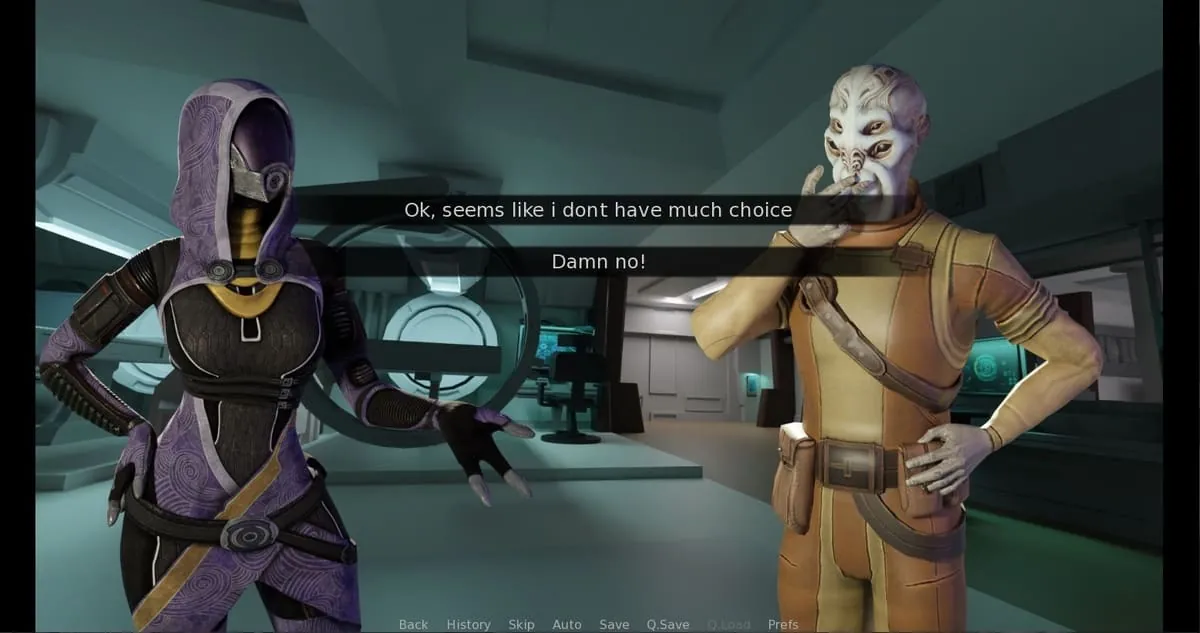
This is where Having a HARD Time truly shines and separates itself from other titles. The character interaction system is complex, nuanced, and has real consequences. You’re not selecting from a list of predetermined questions to exhaust. Instead, you’re engaging in a dynamic conversation shaped by your actions, your timing, and your previous discoveries.
When you approach a character, pay attention to their body language before you even speak. Are they busy working? Nervous? Waiting for someone? The context of your meeting matters. The dialogue interface is clean, often presenting you with a few potential conversational avenues. These choices can range from direct questions, to sharing your own stories, to offering help, or even remaining silent. The game remembers. Mentioning something you learned from another character can open up entirely new branches of trust or conflict.
Think of your knowledge as an inventory. A successful island exploration walkthrough isn’t just about places; it’s about collecting stories, rumors, and secrets that you can then share or leverage in conversation. The old hermit might not trust you until you show him the locket you found in the shipwreck, proving you know about its lost captain.
The system is designed to feel natural, but it can be daunting. A great beginner tip for adventure games like this is to save before major conversations. This allows you to explore different dialogue paths to see their outcomes without permanently burning bridges on your first try. You’ll learn that some characters value blunt honesty, while others respond better to empathetic listening.
Let’s look at a sample interaction to see how choice and consequence are woven together. Imagine you’ve found a character, Maya, who is foraging near the jungle’s edge.
Dialogue Tree Example:
* Maya: “These roots are stubborn today. Not like the soft earth back home…”
* Your Choices:
1. “Need a hand with that?” (Offer Help)
2. “Where is home for you?” (Ask Personal Question)
3. “I found a strange tool near the creek. Is it yours?” (Introduce an Item)
4. [Say nothing, and begin digging near her] (Non-Verbal Action)
Potential Consequences:
* Choosing Option 1 might lead to a simple thank you and a minor reward (a healing herb). It’s safe but may not deepen the relationship.
* Choosing Option 2 could make her open up about her past, revealing a clue about a safe route through the northern cliffs. However, if you ask this too abruptly, she might clam up.
* Choosing Option 3 is where it gets interesting. If you actually have the tool, she might be surprised and grateful, instantly raising her trust. If you’re bluffing, she’ll see through it and her future dialogue will be laced with suspicion.
* Choosing Option 4, the non-verbal action, might intrigue her. She could interpret your silent help as respectful, leading to a unique, quiet camaraderie that unlocks special options later.
See how the character interaction system turns every meeting into a small, impactful puzzle? Your goal isn’t to “win” the conversation but to shape a relationship. Some characters’ stories and the items or areas they control are locked behind multiple successful, truthful interactions. This is a cornerstone of how to unlock all content—you can’t just find every physical thing; you must also earn the trust and stories of the people you meet.
By mastering these three fundamentals—the immersive perspective, the art of exploration, and the depth of conversation—you’ve built the perfect foundation. You’re no longer just playing a game; you’re learning to live on the island. This comprehensive Having a HARD Time game guide started with the basics because everything that follows—the intricate puzzles, the heartbreaking stories, the breathtaking vistas—rests upon your comfort with these core principles. Now, go on. The island is waiting to share its secrets, but only with those who know how to look, listen, and speak. Your adventure is just beginning. 🌅
Having a HARD Time offers a rich exploration experience with multiple characters, branching narratives, and numerous scenes to discover. By understanding the game’s mechanics, systematically exploring the island, and making strategic dialogue choices, you can unlock all content and experience every storyline variation. The key to maximizing your enjoyment is taking time to interact with each character, experimenting with different dialogue options, and exploring every corner of the island environment. Whether you’re pursuing specific relationships or aiming for complete content collection, this guide provides the roadmap needed to achieve your goals. Remember that the game rewards thorough exploration and meaningful character interactions, so take your time and enjoy the journey through this immersive adventure.