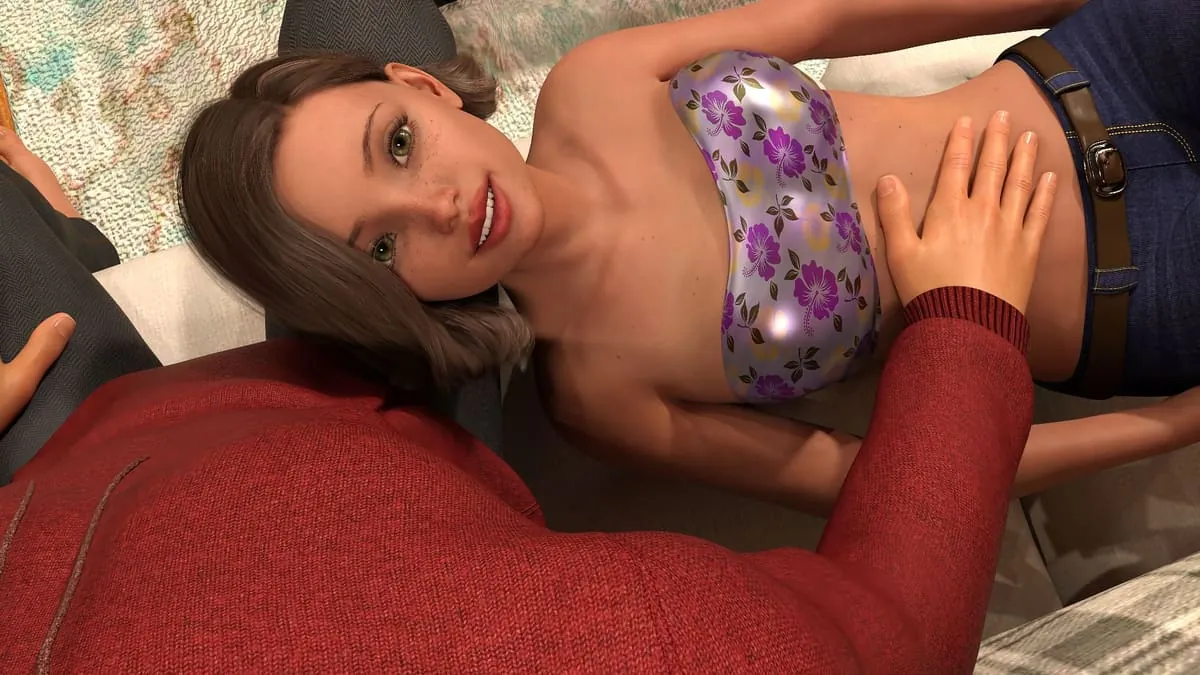
Leaving DNA
Play Leaving DNA
Leaving DNA Screenshots












Leaving DNA review
A player-focused look at Leaving DNA, its story, gameplay, choices, and what to expect before you dive in
Leaving DNA is a narrative-driven visual game that blends mature themes, relationship-building, and branching choices into a single, story-heavy experience. If you’ve ever scrolled past the title and wondered whether Leaving DNA is really worth your time, this guide is for you. I’ll walk you through how the story unfolds, what the gameplay actually feels like, and the kind of emotional and sensual payoff you can expect. Drawing from my own playthrough and the experiences of other players, we’ll break down the strengths, weaknesses, and ideal audience for Leaving DNA so you can decide if it deserves a spot in your library.
What Is Leaving DNA and Who Is It For?
Let’s get straight to the heart of the matter. If you’re here, you’ve probably heard the name floating around and are wondering what all the buzz is about. So, let’s pull back the curtain. What is Leaving DNA? At its core, it’s a narrative-driven experience that feels more like stepping into a finely crafted TV drama than playing a typical game. It belongs firmly to the visual novel genre, where your primary interactions are reading compelling dialogue and making choices that subtly (and sometimes not so subtly) steer the story and your relationships.
The world of Leaving DNA is grounded in a modern, relatable setting. Forget saving the kingdom or battling aliens; this is a story about people, their messy lives, their connections, and the quiet, significant moments in between. The tone is mature, focusing on emotional depth, character flaws, and the slow, sometimes frustrating, build of real human connection. Yes, there’s a layer of romance and intimacy—it’s part of the adult label—but here, those moments are treated as the powerful culmination of story arcs, not the default background noise. Think of it as a slow-burn where the spark of tension and meaningful flirting is just as important as the fire itself. 🧩
What is the core premise of Leaving DNA?
The core premise of Leaving DNA is deceptively simple: it’s a story-first experience. Everything—the dialogue, the choices, the art—serves the overarching narrative and the development of its characters. You aren’t just clicking for the next scene; you’re investing in lives, decoding motivations, and navigating complex social and emotional landscapes.
As a Leaving DNA visual novel, it plays out through beautifully rendered scenes and character portraits, with text carrying the weight of the plot. You’ll make decisions that range from seemingly inconsequential dialogue choices to major moral or relational crossroads. These choices don’t always lead to explosive, immediate changes; often, they build your character’s personality and affect how others perceive and interact with you over the long haul. The game masterfully uses this format to build emotional tension that feels earned.
Crucially, and this is a key point in any honest Leaving DNA review, scenes of a sensual nature are positioned as narrative payoffs. They are the result of built-up trust, chemistry, and story progression. The game is far more concerned with the “why” and the emotional weight behind a connection than with frequency. If you’re coming for a non-stop stream of explicit content, you’ll likely be disappointed. But if you’re here for the ache of unresolved tension, the thrill of a meaningful glance, and the satisfaction of a relationship that feels real and hard-won, then you’ve found your game. It’s about the journey, not just the destination. ✨
Who will actually enjoy Leaving DNA?
This is the million-dollar question, right? Who is Leaving DNA for? Let me be totally upfront: this game won’t be for everyone, and that’s okay. Knowing if it’s for you can save you time and help you approach it with the right mindset.
I’ll be honest about my first few hours with the Leaving DNA game. I went in with certain… expectations. I found myself clicking through early episodes, waiting for the story to “kick into gear” in a very particular way. I kept thinking, “Okay, when is the ‘adult’ part going to start?” I was so focused on waiting for a specific type of scene that I almost missed what was happening right in front of me: fantastic writing, characters with layers, and dialogue that actually sounded like real people talking. I was treating it like a checklist, and the game was asking me to sit down and listen to a story.
Then, something clicked. A particular character moment landed perfectly because of all the quiet, “slow” buildup that came before it. The payoff wasn’t just a scene; it was an emotional release that felt incredibly meaningful. I realized the Leaving DNA story focus was the entire point. The intimacy wasn’t separated from the story; it was the story, expressed at its most vulnerable points. My entire perspective shifted from “when will something happen?” to “I am completely invested in what is happening.”
So, based on that experience, here’s who will truly thrive in this world:
- The Story Lover: You read visual novels for plots that stick with you. You savor good dialogue and complex character arcs.
- The Slow-Burn Connoisseur: You love the delicious agony of built-up tension. You believe the “will they, won’t they” is often better than the “they did.”
- The Romance & Drama Fan: You’re here for relationships—flawed, human, and evolving. You want to see characters grow, fight, and connect.
And here’s who might want to think twice:
- The Instant Gratification Seeker: If you prefer constant, rapid-fire action or romantic payoffs with minimal build-up, the pacing may feel glacial.
- The Checklist Player: If your primary goal is to “unlock” all intimate scenes as quickly as possible, you’ll likely find the early episodes too restrained and story-heavy.
To visualize the core audience, here’s a quick breakdown:
| Player Type | Will They Enjoy Leaving DNA? | Why? |
|---|---|---|
| The Narrative Explorer 🕵️♂️ | Yes, absolutely. | The game is a deep, character-driven story first. Exploration is emotional, not geographical. |
| The Slow-Burn Romantic 💘 | This is your paradise. | The game is built on the foundation of earning emotional and relational payoffs over time. |
| The Choice-Matters Enthusiast ⚖️ | Mostly yes. | Choices shape relationships and character perception meaningfully, though often in subtle, long-term ways. |
| The Action/Quick-Pace Gamer 🎯 | Probably not. | The focus is on conversation and internal drama, not external action or fast-paced events. |
“I spent my first hour with Leaving DNA waiting for the ‘game’ to start. Then I realized I’d been playing it the whole time—I was just reading it wrong.”
How does Leaving DNA compare to similar story-heavy games?
Putting the Leaving DNA visual novel into context helps clarify its unique spot on the shelf. The landscape of adult-leaning, story-focused games is broad, but Leaving DNA carves out a very specific niche.
Compared to many other games in this broader space, Leaving DNA is less of a theme park and more of a novel you live inside. Some similar games operate on a more episodic, “event-of-the-week” structure or feature mechanics that feel like ticking boxes on a romanceable characters list. Leaving DNA feels more cohesive. Its story is a continuous thread, and the characters exist within a believably interconnected world. The intimate moments aren’t isolated rewards; they’re dramatic high points in a season-long character arc. It’s the difference between a show where every episode has a stand-alone action sequence and a prestige drama where the climax of the season feels earth-shattering because of the seven episodes of careful build-up that preceded it. 🎭
Let me share a quick story. A friend of mine, who enjoys story games, tried Leaving DNA based on my recommendation. After about an hour, they messaged me: “Dude, nothing is happening. It’s just talking.” I told them to stick with it for just one more episode, to stop waiting and start listening. They reluctantly agreed.
A week later, I got a late-night text from them: “Okay, I get it now. I just spent 30 minutes agonizing over a single dialogue choice because I didn’t want to hurt this character’s feelings. What have you done to me?” They had shifted from a passive observer to an emotionally invested participant. That’s the magic of Leaving DNA. It doesn’t grab you by the collar; it patiently invites you in, and once you’re inside, you realize how invested you’ve become.
So, is Leaving DNA worth playing? From my perspective, absolutely—if what you’re seeking aligns with what it offers. It’s a masterclass in slow-burn storytelling and character development within the visual novel format. It asks for your patience and attention and rewards you with a story that has genuine emotional weight. If the idea of getting deeply involved in the lives of complex characters, where every conversation matters and every romantic step feels significant, sounds appealing, then this Leaving DNA game is not just worth playing—it’s an experience you might just fall in love with. ❤️🔥
It may not be the loudest game on the market, but for the right player, its voice is one of the most compelling.
Leaving DNA is the kind of game that rewards patience, attention, and a taste for character-driven drama. Instead of rushing from scene to scene, it invites you to sit with the cast, learn their motivations, and slowly nudge their paths through your choices. If you come to it with the mindset of binge-watching a thoughtful series rather than skipping to the highlights, you’re far more likely to appreciate what it’s trying to do. If the idea of investing several evenings into a slow-burn story, growing attached to a small group of flawed, human characters, and earning your romantic or sensual moments sounds appealing, Leaving DNA is absolutely worth a closer look and a personal playthrough.