My Catgirl Maid Thinks She Runs the Place
Play My Catgirl Maid Thinks She Runs the Place
My Catgirl Maid Thinks She Runs the Place Screenshots





My Catgirl Maid Thinks She Runs the Place review
Explore storyline, endings, characters, and gameplay mechanics for this visual novel experience
My Catgirl Maid Thinks She Runs the Place stands out as a distinctive visual novel that combines engaging storytelling with character-driven narrative. This game has garnered attention for its fantastic artwork, compelling storyline, and unique premise centered around a catgirl character who takes charge of the household. Whether you’re new to the game or looking to maximize your experience, understanding the core mechanics, available endings, and character interactions will enhance your gameplay. This guide covers everything you need to know about this visual novel, from basic gameplay to unlocking special scenes and discovering all available endings.
Game Overview and Core Mechanics
So, you’ve downloaded My Catgirl Maid Thinks She Runs the Place, booted it up, and are now staring at a catgirl who seems far more interested in judging your life choices than dusting your shelves. Welcome to the club! 🐱✨ If you’re wondering what you’ve gotten yourself into and how to navigate this charmingly chaotic household, you’re in the right place. This isn’t just another visual novel; it’s a slice-of-life comedy with a twist, where the traditional power dynamic between master and servant is hilariously upended from the very first scene.
At its heart, this game is a masterclass in character-driven storytelling within a cozy, relatable household setting narrative. The entire experience revolves around your evolving dynamic with Sakura, your self-appointed feline overseer. The visual novel gameplay mechanics are designed to make you feel every bit of her playful defiance and gradual warmth. Forget epic quests or saving the world—the biggest challenge here is figuring out if you’ll ever get to decide what’s for dinner! This guide will walk you through everything you need to know, from the core visual novel storyline progression to the deep catgirl maid character development that makes this game so special.
What Makes This Visual Novel Unique
Let’s be real: the visual novel space is packed with tropes. The diligent maid, the shy neighbor, the tsundere classmate—we’ve seen them all. What sets My Catgirl Maid Thinks She Runs the Place apart is its brilliant subversion of the very premise it presents. 😼 You don’t get a subservient helper; you get a proud, independent character who moves into your home and immediately starts treating it (and you) as her domain. The game’s unique charm lies in this role reversal. It’s less about giving orders and more about negotiating, compromising, and sometimes just surrendering to the inevitable chaos of living with a willful catgirl.
The household setting narrative is the perfect stage for this comedy. Instead of grand locations, the story unfolds in the intimate, everyday spaces of a modern apartment: the cluttered living room, the too-small kitchen, the cozy balcony. This familiarity makes Sakura’s intrusions feel personal and her small victories—like commandeering the best spot on the sofa—genuinely impactful. The game finds humor and heart in domesticity, turning mundane tasks and quiet evenings into opportunities for connection and conflict.
Furthermore, the game commits fully to its core concept. Unlike other titles with expansive character roster and relationships, this experience is intensely focused. Sakura is the one and only heroine, the sole center of the romance options visual novel players can explore. This singular focus allows for an unprecedented depth in her catgirl maid character development. Every line of dialogue, every sprite animation, and every story branch is crafted to explore the nuances of her personality, from her playful arrogance to her hidden vulnerabilities. You’re not managing multiple relationships; you’re diving headfirst into one incredibly detailed and rewarding dynamic.
Understanding the Gameplay Structure
If you’re new to the genre, don’t worry! The visual novel gameplay mechanics here are intuitive but powerful. At its core, you’ll read through the story, with beautiful character art and backgrounds setting the scene. The narrative is broken into chapters, each representing a key period in your shared life with Sakura, forming the backbone of the visual novel storyline progression. Your journey is guided by a simple in-game calendar, where each day presents key moments for interaction.
The most important rule: There are no “right” or “wrong” choices, only choices that lead you toward different facets of Sakura’s personality and, ultimately, to different endings.
The magic happens through the decision-making system. During conversations and internal monologues, you’ll be presented with choices. These aren’t always grand declarations; often, they’re subtle—whether to protest her rearranging your furniture, to laugh off her teasing, or to show genuine concern when she’s uncharacteristically quiet. These choices influence two primary, often hidden, metrics:
- Authority vs. Affection: Will you try to assert your role as the “master” of the house (Authority), or will you play along with and encourage her whims (Affection)?
- Sakura’s Trust & Openness: Your consistent behavior builds her trust, unlocking new, more vulnerable dialogue options and scenes later in the game.
This is where the catgirl maid character development truly shines. Early choices might only affect the immediate punchline of a scene, but as the game progresses, your cumulative decisions begin to shape the very nature of your relationship. A path high in Authority might lead to a more contentious, rivalry-to-romance dynamic, while a path high in Affection might foster a sweeter, more domestic partnership. The game expertly tracks your history, with Sakura often referencing your past actions, making the world feel alive and responsive.
Character Roster and Romance Options
Now, let’s talk about the heart of the game: the characters. While you’ll meet a few supporting faces—like a nosy landlord or a delivery person—the story lives and dies with its two main inhabitants: you (the player character) and Sakura.
The Protagonist (You):
You’re a young professional, somewhat tidy but mostly just busy and tired. Your personality is a blank slate defined by the player’s choices. Are you stern? Easygoing? Secretly a pushover for catgirls? The game allows you to project these traits through your decisions, making the dynamic with Sakura feel uniquely yours.
Sakura: The Catgirl Maid Who Thinks She Runs the Place
Sakura is the star, and her catgirl maid character development is the game’s greatest achievement. 🎭 She arrives not as a helpless employee, but as a confident, mischievous force of nature with her own agenda.
* Initial Persona: She’s witty, stubborn, and possesses an unshakeable belief in her own methods. She’ll “tidy” your workspace by hiding your things, critique your cooking, and take naps in sunbeams with zero remorse.
* Core Motivation: Beneath the sass, she seeks a place to belong on her own terms. She doesn’t want a master; she wants an equal—a partner in the unique home you’re building together.
* Development Arc: As trust builds, her softer side emerges. You might catch her looking genuinely concerned for you, sharing a childhood memory, or expressing a hidden insecurity about her place in the human world. This evolution from domineering roommate to vulnerable companion is the core emotional journey.
Regarding romance options visual novel content, it’s crucial to understand: Sakura is the only romantic path. The game deliberately forgoes a wider character roster and relationships to offer a deep, single love story. The romance isn’t about grand gestures; it’s woven into the fabric of your daily coexistence. It grows from shared jokes, quiet moments, and the gradual lowering of emotional walls. Whether your relationship becomes a playful rivalry filled with teasing or a gentle, supportive bond depends entirely on your choices throughout the visual novel storyline progression.
Artistic Style & Appeal:
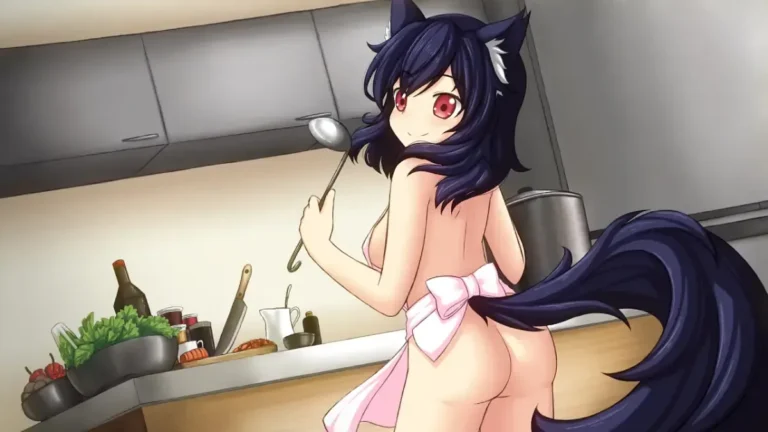
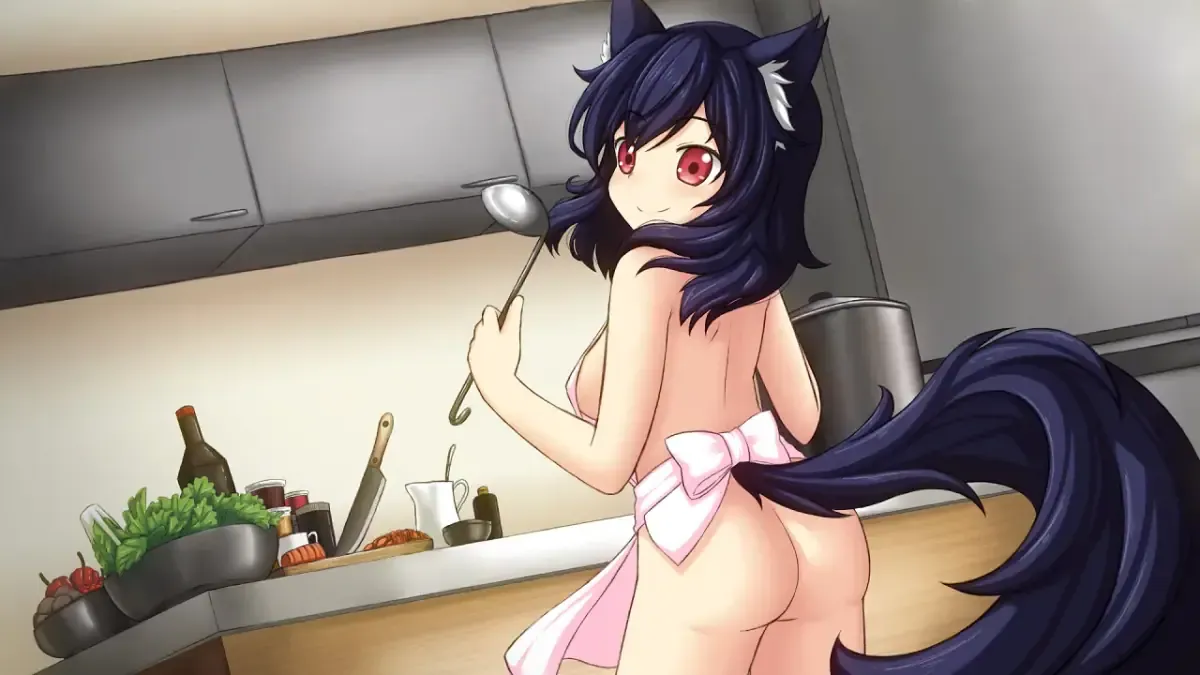
The game’s visuals are a huge part of its charm. Sakura is brought to life with expressive sprite work—her tail flicks with annoyance, her ears twitch with curiosity, and her posture changes dramatically based on her mood. The background art for the household setting narrative is warm and detailed, making the apartment feel like a real, lived-in space. The subtle shifts in lighting, from bright morning sun to soft evening lamplight, perfectly accentuate the mood of each scene.
Version Availability: 18+ Content and All-Ages Versions
The developer has made the game accessible for different audiences by offering two distinct versions. The core story, humor, and character development remain intact across both.
- All-Ages Version: This is the complete narrative experience as described above. It focuses on the emotional build-up, romantic tension, and comedy of the shared living situation. All story chapters and endings are available.
- 18+ DLC/Version: This optional content expands on specific romantic outcomes. After building a deep relationship with Sakura and reaching certain story milestones, this version includes additional, explicit scenes that depict the physical culmination of the relationship. These scenes are treated as a narrative extension of the emotional bond you’ve built.
| Feature | All-Ages Version | Version with 18+ DLC |
|---|---|---|
| Core Story & Chapters | Full experience | Full experience |
| Multiple Endings | All available | All available |
| Romantic Development | Focus on emotional intimacy and tension | Emotional intimacy plus explicit adult scenes |
| Content Focus | Comedy, domestic life, character growth | Adds mature scenes as narrative payoff for specific routes |
| Best For | Players who enjoy story and character-driven humor | Players who want a complete romantic narrative including physical intimacy |
The progression through the game feels organic. You’re not completing “missions” in a traditional sense. Instead, each chapter introduces new scenarios or minor conflicts—planning a birthday, dealing with a power outage, hosting an unexpected guest—that serve as catalysts for your character roster and relationships (primarily with Sakura) to evolve. Your choices during these events determine which ending you unlock, wrapping up your unique story of cohabitation and romance.
In the end, My Catgirl Maid Thinks She Runs the Place is a testament to how powerful focused storytelling can be within the visual novel gameplay mechanics framework. By mastering its systems and engaging genuinely with Sakura’s wonderful, flawed personality, you’re in for a uniquely heartwarming and hilarious experience. Now, go on—your apartment isn’t going to rule itself… or actually, wait, it might. Good luck! 🌟
My Catgirl Maid Thinks She Runs the Place offers a rich visual novel experience with compelling storytelling, beautiful artwork, and engaging character interactions. With four distinct endings to discover, multiple gallery scenes to unlock, and a unique household dynamic centered around the catgirl maid character, the game provides substantial replay value for fans of the visual novel genre. Whether you’re drawn to the narrative depth, the character-driven story, or the artistic presentation, understanding the game’s mechanics and unlocking strategies will help you get the most from your experience. Take your time exploring the different choices available, experiment with various decisions to discover all endings, and don’t miss the special gallery content that adds extra layers to the story. The game’s fantastic artwork and engaging premise make it a worthwhile experience for visual novel enthusiasts.