Something to Write About: The Author
Play Something to Write About: The Author
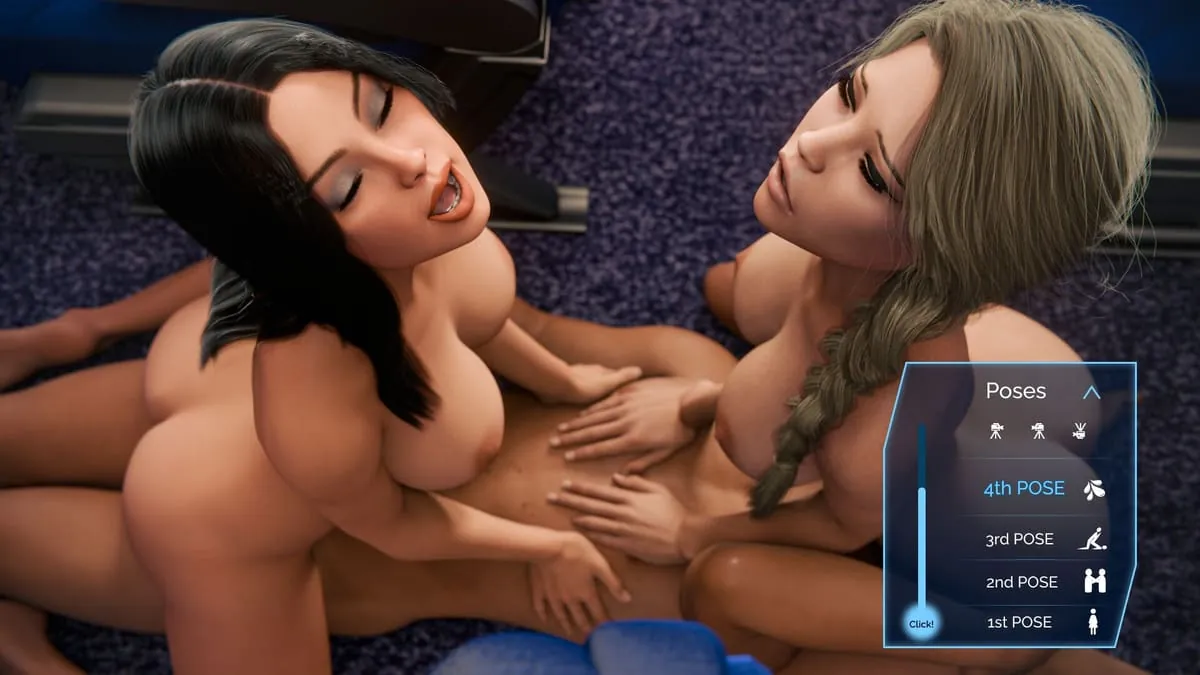
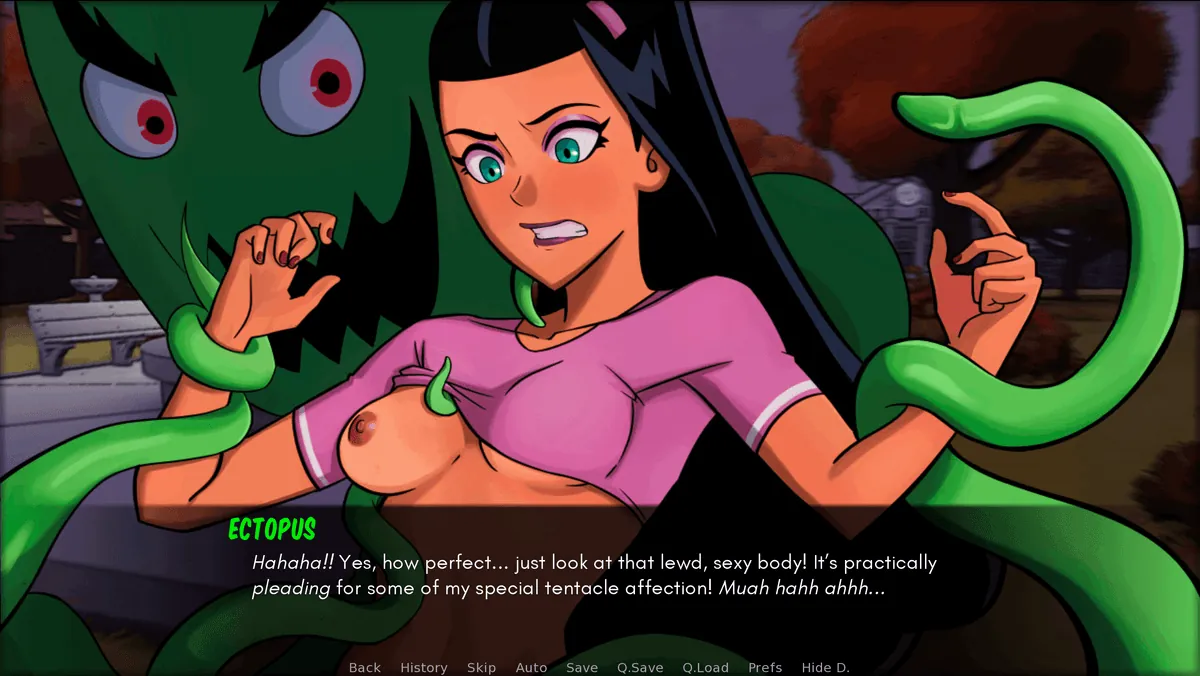
Something to Write About: The Author Screenshots



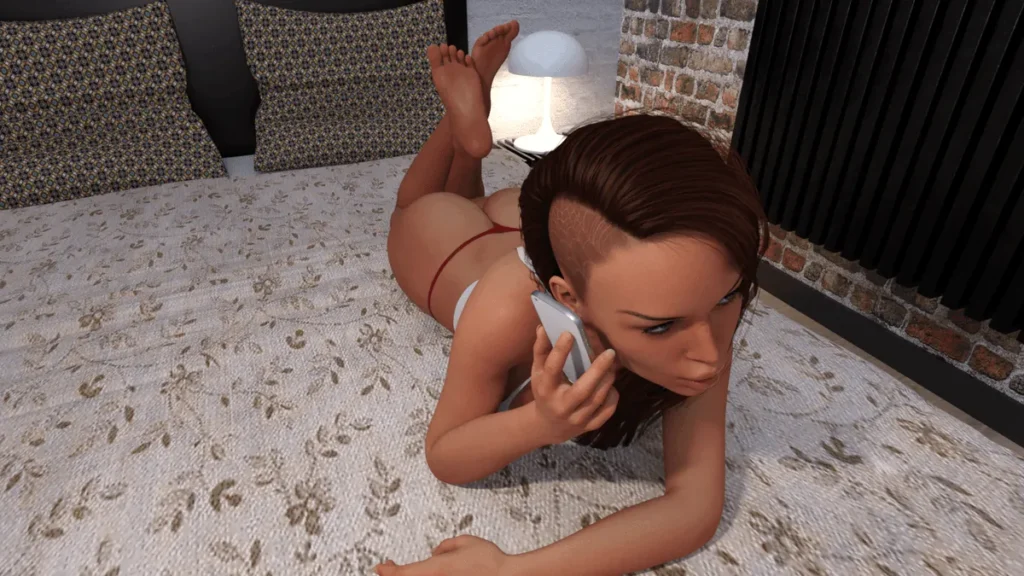

Something to Write About: The Author review
Dive into the Creative Depths of This Captivating Adult Game
Ever stumbled upon a game that blurs the line between storytelling and personal fantasy? ‘Something to Write About: The Author’ hooked me from the first scene with its immersive narrative and bold choices. As an adult visual novel, it puts you in the shoes of a budding writer navigating steamy encounters and creative dilemmas. I’ve spent hours exploring its branching paths, and let me tell you, the replay value is off the charts. In this guide, we’ll unpack everything from core mechanics to insider tips, helping you craft your own unforgettable story. Whether you’re new or coming back for more, get ready to unleash your inner author.
What Makes Something to Write About: The Author So Addictive?
It was one of those 2 a.m. scrolling sessions, the kind where you’ve exhausted your usual streaming options and the silence of the night feels a little too loud. I stumbled upon Something to Write About: The Author almost by accident, drawn in by a piece of stunning, evocative artwork. “Just a quick look,” I told myself. Three hours later, I was completely hooked, my heart still racing from a narrative twist I never saw coming. That’s the magic of this adult visual novel—it doesn’t just tell you a story; it makes you live inside it, breath by breath, choice by agonizing choice. 😮✨
So, what is Something to Write About: The Author? At its core, it’s an immersive experience where you step into the worn shoes of a struggling writer. But this isn’t a solitary grind. Your creative journey becomes deeply entangled with a cast of compelling, complex individuals—potential muses, fierce rivals, and enigmatic figures who blur the lines between professional and personal. The game masterfully explores themes of creativity, desire, and consequence, asking not just what you’re willing to do for your art, but who you’re willing to become.
How the Story Unfolds in This Unique Visual Novel
The narrative structure of this visual novel game is its greatest strength. Forget linear plots; here, you are the author of your own destiny. The game presents you with a tapestry of interconnected visual novel branching paths, where every dialogue option, every decision to pursue a character, and even every moment of hesitation directly shapes your story’s direction. 🧵🎭
The game story explained simply is this: Your affinity with the characters is the engine of the plot. Building a connection with someone doesn’t just unlock romantic or intimate scenes (though those are presented with a mature and often poignant artistry); it opens entire narrative arcs. Will you find inspiration in the quiet intensity of a fellow artist, or in the chaotic energy of a free spirit? Your choices determine which secrets are revealed, which conflicts arise, and ultimately, which of the multiple endings you will earn.
I remember one pivotal scene with the character Sloane. We were at a gallery opening, and the game presented me with a choice: publicly defend her controversial piece, or offer quiet, private support later. It seemed like a small moment, but it was a crossroads. My choice to defend her publicly triggered a chain of events that unlocked a secret route about artistic vulnerability and public perception—a route I learned later was completely missable with the other option. That’s the power of Something to Write About: The Author; it makes every moment feel weighted and real.
Key Characters That Drive the Engaging Plot
The soul of this experience lies in its cast. The Something to Write About characters are not mere archetypes; they are fully realized people with their own ambitions, fears, and flaws. Your interactions with them feel less like ticking boxes on a romance checklist and more like navigating genuine, sometimes messy, human relationships. 🤝❤️🔥
Getting to know them is the heart of the game. Here’s a glimpse into the lives you can choose to intertwine with yours:
- The Reclusive Mentor: A celebrated author past their prime, offering wisdom that borders on manipulation. Can you trust their guidance, or are you just a tool for their comeback?
- The Rival Writer: Charismatic and fiercely competitive, they challenge your talent at every turn. Is the tension between you purely professional, or does it mask a deeper, more dangerous attraction?
- The Muse from Everyday Life: Someone seemingly unconnected to the literary world, who provides a grounding perspective. But what hidden depths and quiet dramas lie beneath their calm surface?
- The Editor with a Past: The professional gateway to your success, whose interest in your work might be personally motivated. Unraveling their history could be the key to your future—or your heartbreak.
- The Free-Spirited Artist: A painter or musician living a life of bohemian passion, they offer an escape from your structured world. But can a relationship built on fleeting inspiration ever last?
Each character route isn’t just a “love story”; it’s a thematic exploration. Pursuing one might delve into the price of fame, while another examines the courage to be emotionally authentic. This variety is what makes answering “what is Something to Write About: The Author” so complex—it’s a different game depending on who you connect with.
Why Player Choices Shape Every Outcome
This is where the addiction truly sets in. Something to Write About: The Author employs a sophisticated affinity system that is always running in the background. It’s not about picking “good” or “bad” options, but about aligning with a character’s worldview or challenging it. Do you share their cynicism or offer hope? Do you engage in their competitive game or take the higher road? These subtle nuances build invisible points that open or close doors hours later. 🔒➡️🔓
My most rewarding playthrough was a case study in bold choices. I decided to fully embrace my writer’s ambitious, almost ruthless side. Instead of playing it safe, I chose dialogue options that were confident, competitive, and occasionally cutthroat. This aligned me perfectly with a character who valued strength above all else. This path led me to a stunning, secret ending about the intoxicating and isolating nature of success—an ending I never would have seen on my more diplomatic first run. It felt earned, a direct result of the persona I had chosen to embody.
Pro Tip: Managing your journey through these visual novel branching paths is crucial. I learned the hard way! My actionable advice: Use a disciplined save file system. Create a new save at the start of every chapter, and before every major decision. Label them clearly (e.g., “Ch3_Before_Gallery”). This lets you explore consequences without losing dozens of hours of progress, turning a single playthrough into a playground of “what if” scenarios.
The emotional payoff is incredible. Seeing a guarded character finally open up because of the trust you’ve patiently built, or facing the consequences of a reckless lie, delivers a punch that few games can match. It’s a powerful reminder that you’re not just watching a story; you’re responsible for it.
For a typical player, a single focused route in this visual novel game can take around 10-12 hours. But with multiple main characters, hidden interactions, and vastly different endings, the replayability score is off the charts. It’s a game you return to, not just to see a different scene, but to live a different life and write a different story. ✍️🎮
FAQ: Navigating Your First Draft in Something to Write About: The Author
Q: I’m worried about missing important content. What’s the biggest newbie mistake?
A: The most common mistake is trying to make everyone happy in one playthrough. The game’s affinity system often requires commitment. Focusing your energy on one or two characters leads to a much richer, more complete narrative arc than spreading your attention thinly.
Q: How do I know if my choices are “working” with a character?
A: Pay close attention to their reactions and subsequent behavior. The game rarely gives you a points notification. Instead, look for changes in their dialogue, new conversation topics becoming available, or them seeking you out more often. It’s designed to feel like a real relationship, not a stat sheet.
Q: Are the intimate scenes just for show, or are they part of the story?
A: They are fundamentally woven into the narrative and character development. In this adult visual novel, these moments are treated as pivotal points of emotional vulnerability, conflict, or connection. They often serve as turning points in a relationship and are rarely, if ever, just gratuitous. Skipping them means skipping key story beats.
From its gripping narrative to the thrill of uncovering hidden routes, ‘Something to Write About: The Author’ stands out as a must-play for visual novel fans craving depth and excitement. I’ve revisited it multiple times, each playthrough revealing new layers of character intimacy and creative twists that keep me coming back. Whether you’re chasing that perfect ending or just dipping into its world, the game’s blend of story and choice delivers pure engagement. Grab it now, experiment with those daring decisions, and share your favorite moments in the comments—let’s inspire each other’s stories!