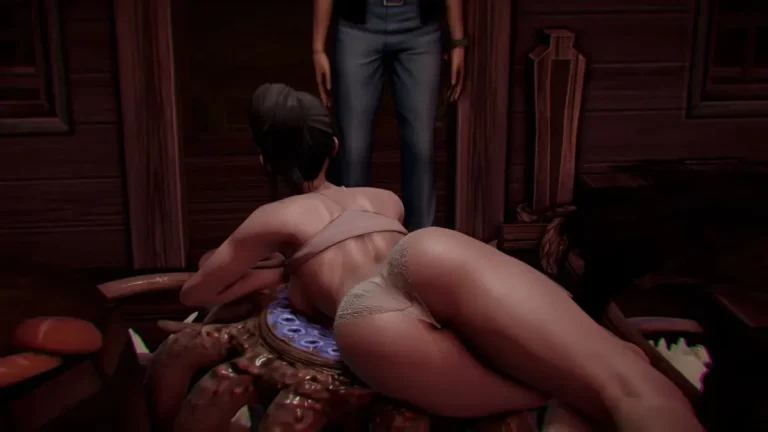
Tainted Heritage – a.k.a Weird Shit Is Going to Happen
Play Tainted Heritage – a.k.a Weird Shit Is Going to Happen
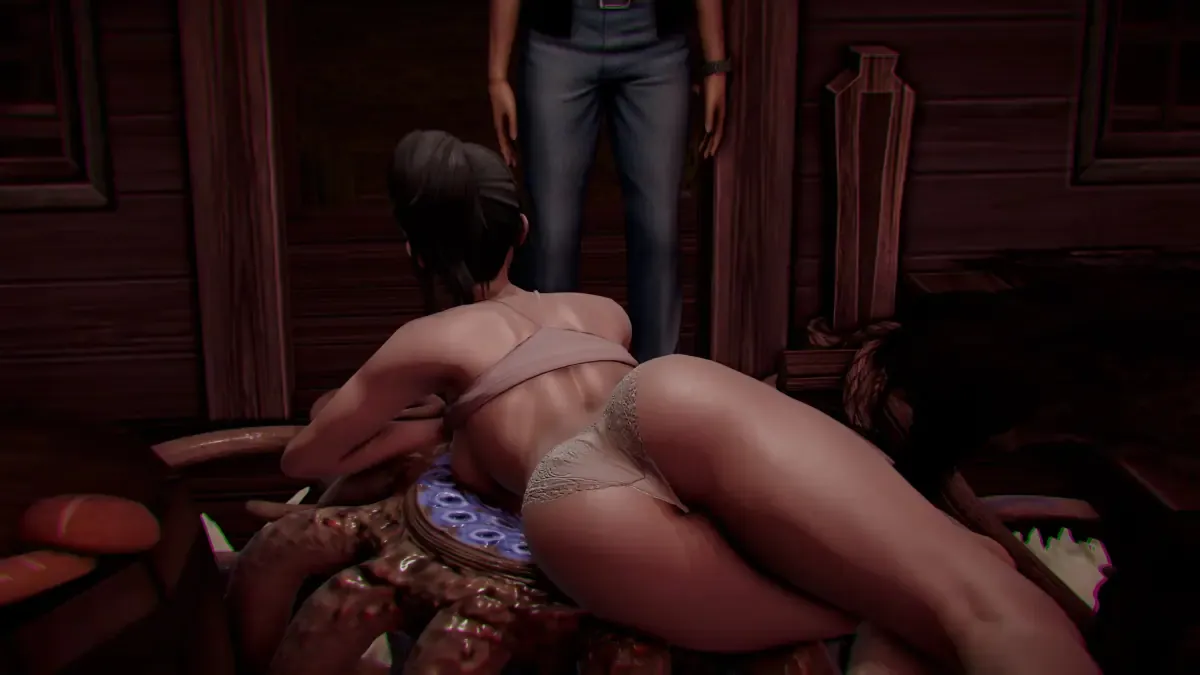
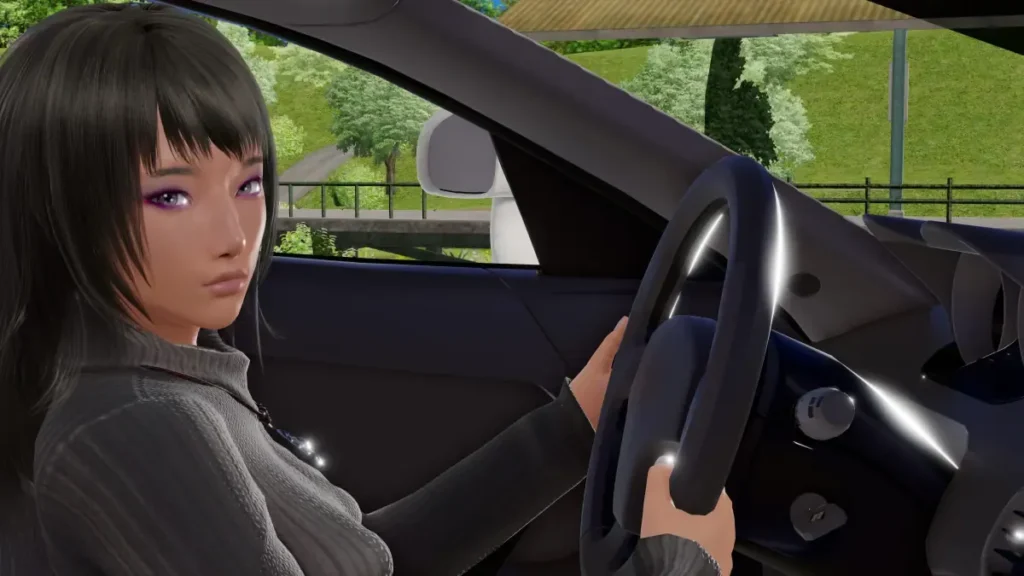
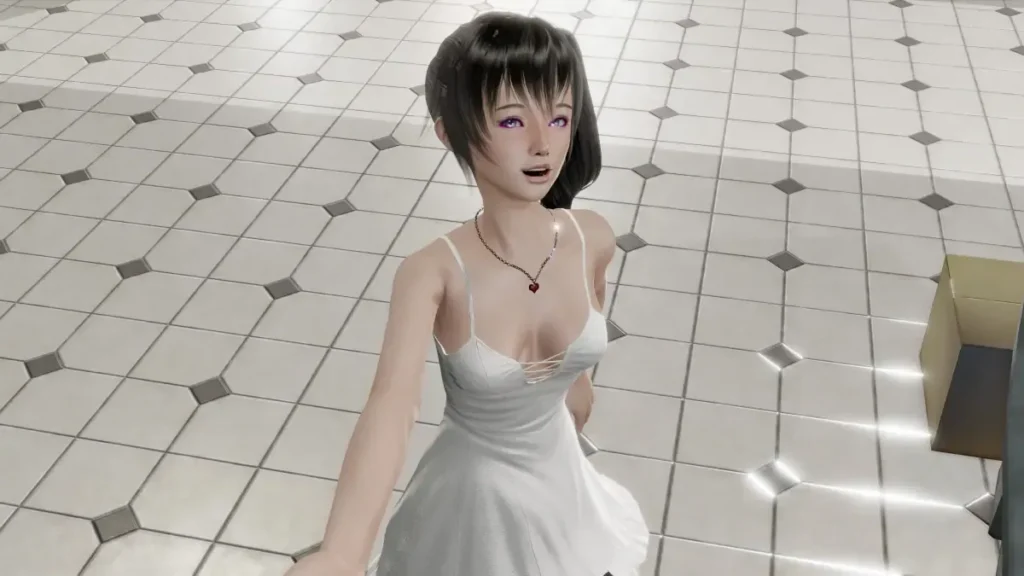
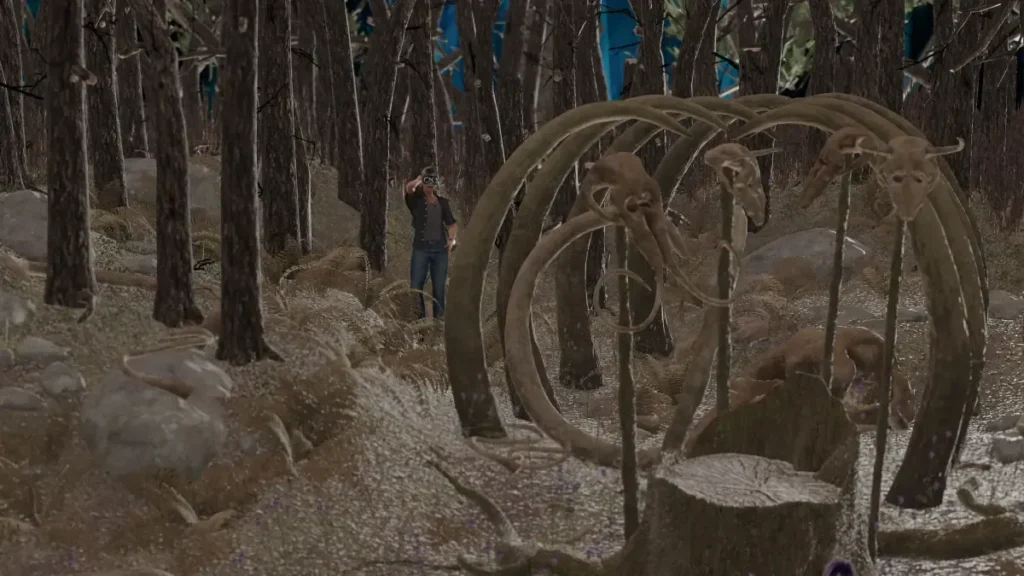
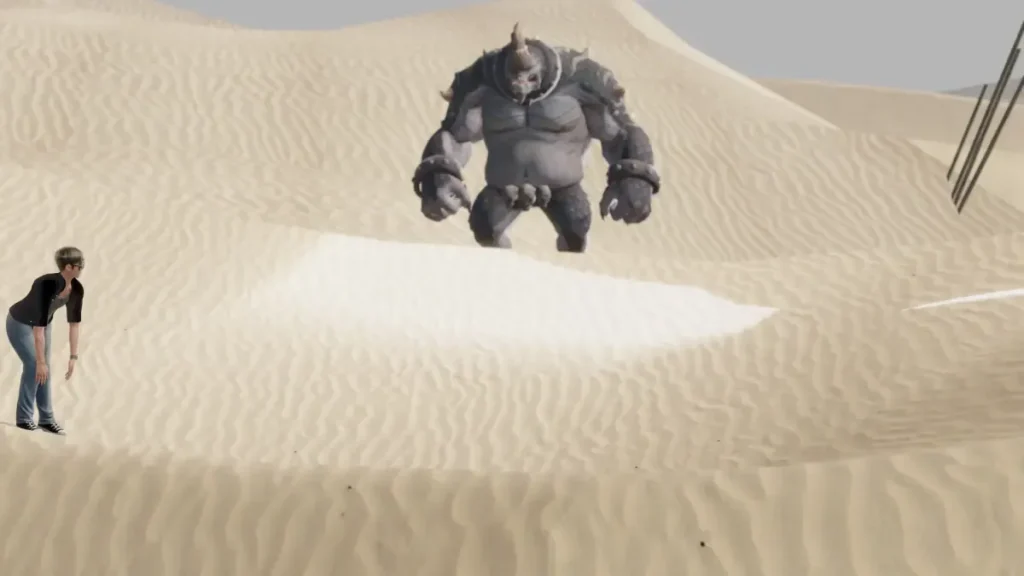
Tainted Heritage – a.k.a Weird Shit Is Going to Happen Screenshots
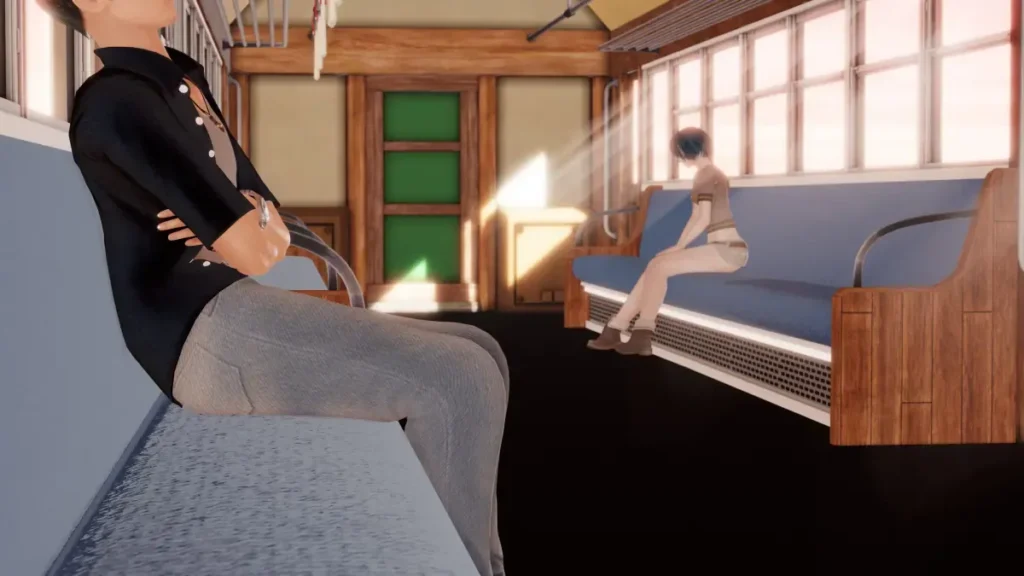
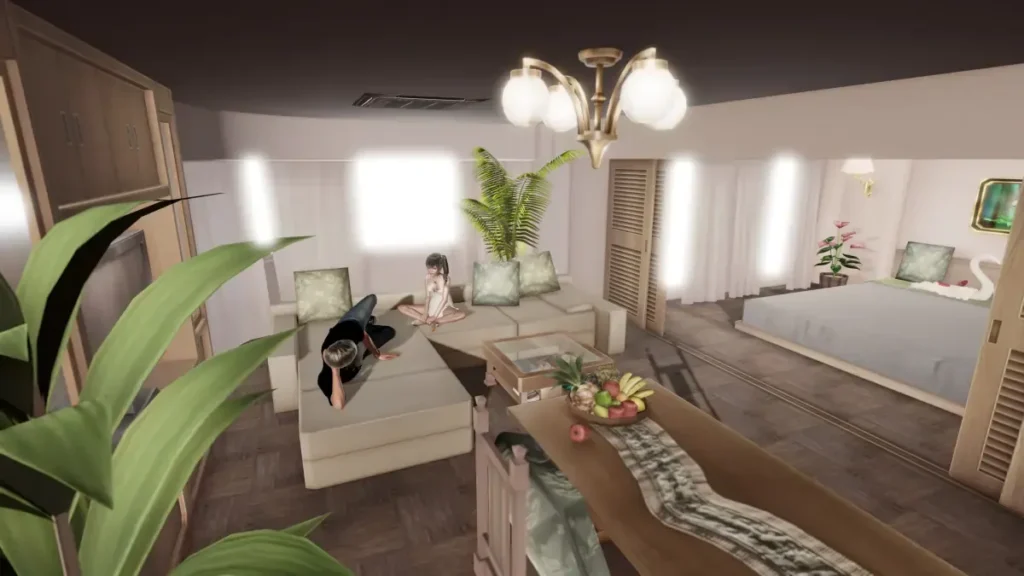
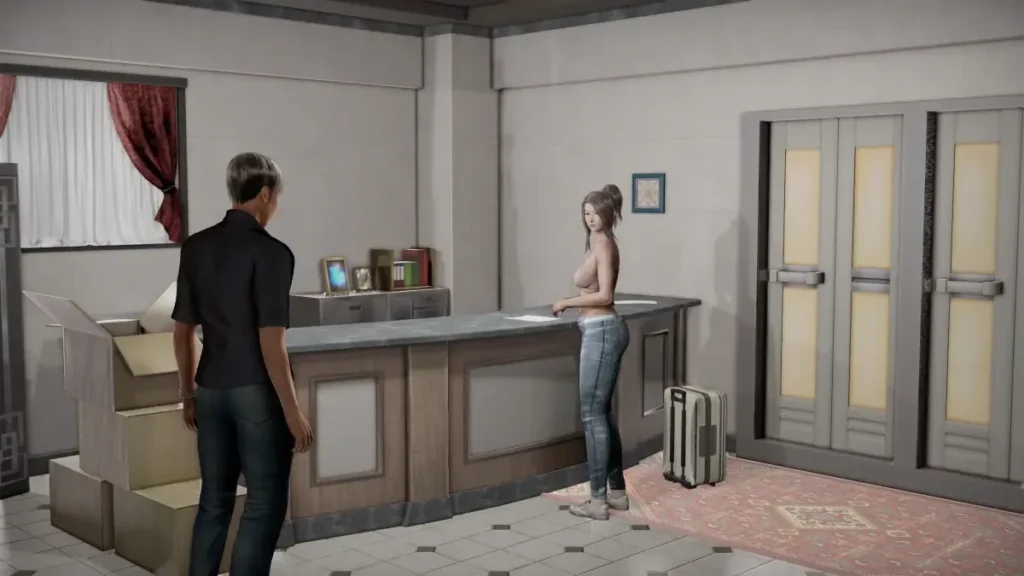
Tainted Heritage – a.k.a Weird Shit Is Going to Happen review
Complete Guide to the Visual Novel with Unexpected Twists and Complex Narratives
Tainted Heritage stands out as an unconventional visual novel that challenges traditional storytelling expectations. This indie game combines choice-based narratives with complex character dynamics and unexpected plot revelations. Players navigate through a mysterious journey triggered by an enigmatic letter from an estranged grandmother, uncovering secrets while managing relationships that shift based on their decisions. The game’s experimental design philosophy and emphasis on player agency create a deeply personal experience where your interpretation of events becomes as important as the events themselves. Whether you’re drawn to experimental narratives or seeking something different from mainstream gaming, Tainted Heritage presents an intriguing opportunity to explore storytelling that embraces the unexpected.
Understanding Tainted Heritage: Core Gameplay and Story Elements
Imagine your life has just fallen apart. 💥 You’ve lost your family, your job, and you’re drowning in debt. The future looks like a locked door with the key thrown away. Then, a letter arrives. It’s from a grandmother you never knew, inviting you to a sprawling, eerie estate you’ve only heard of in hushed, uncomfortable family whispers. This is exactly where Tainted Heritage begins, pulling you from the wreckage of a mundane tragedy into a gothic mystery where every portrait seems to watch you and every floorboard creaks with a secret.
This indie visual novel with branching paths isn’t about providing easy comfort. It’s an invitation to unravel a family history so dark and tangled, it makes your personal disasters seem simple by comparison. From the moment you open that fateful letter, you are in control, and every choice you make—from how you greet a suspicious butler to whether you pry into a locked desk—weaves a unique thread into a much larger, ever-shifting tapestry. Welcome to a Tainted Heritage visual novel experience, where the story you get is profoundly and uniquely yours.
What is Tainted Heritage and How Does It Begin?
The core of the Tainted Heritage story plot is a masterclass in narrative hook. You play as a character who has hit absolute rock bottom. After a car accident claims your parents, you’re left unemployed, bankrupt, and utterly alone. The world has gone grey. Then, the letter from your estranged grandmother, Elara Blackwood, arrives like a ghost from the past. It’s not just an invitation; it’s a lifeline tossed into your personal storm, promising shelter and, perhaps, answers.
Arriving at the imposing Blackwood Estate, you quickly realize this is no simple inheritance tale. The air is thick with unspoken history. Your grandmother is a figure of formidable presence and cryptic remarks. The staff is wary, and the other relatives who have gathered are a cocktail of suspicion, greed, and hidden agendas. The core gameplay loop immediately engages the hallmarks of great choice-based storytelling games: dialogue options and environmental interactions. But Tainted Heritage gameplay mechanics go much deeper. That first decision—to be confrontational or meek with your grandmother, to snoop immediately or play the grateful guest—doesn’t just change a line of dialogue. It plants a seed.
I remember in my first playthrough, I chose to be openly hostile about being summoned after years of neglect. My character’s bitterness felt justified! But this single choice didn’t just make Grandma frosty; it altered how the entire staff perceived me. The housekeeper, who might have been an ally, became tight-lipped and formal, subtly locking away potential clues about the family’s past. The Tainted Heritage visual novel excels at this: your emotional state and actions aren’t private. They are performance art for every other character in the web.
The genius of this opening is that it establishes the core contract: nothing is what it seems, and everything you do matters. The estate itself is the first major character you meet, and learning to “read” its rooms—a disturbed book here, a freshly cleaned spot on a dusty mantle there—is a crucial skill. This setup perfectly primes you for the unconventional game narratives that follow, where your task isn’t just to discover the truth, but to decide which version of the truth you’re even capable of uncovering.
The Consequence Timeline: How Your Choices Shape the Narrative
Most narrative games operate on a cause-and-effect system that feels immediate. You’re rude to someone, and they’re rude back in the next scene. Tainted Heritage laughs in the face of this simplicity. Its defining mechanic is what I call the Consequence Timeline, a system where your decisions are like stones dropped into a still pond, and the ripples can take hours of real-world gameplay to reach the shore.
This is where the Tainted Heritage gameplay mechanics truly separate it from the pack. The game has a phenomenal memory. It doesn’t just track major plot decisions; it remembers the tone you used in a conversation three chapters ago, the small favor you denied a side character, or the personal artifact you decided to pocket instead of declaring. These aren’t forgotten. They are incubated, only to resurface later in startlingly organic ways.
Let me give you a concrete example from my second playthrough. Early in Chapter 2, I stumbled upon my cousin, Vincent, in the library, clearly distressed and trying to hide a letter. I was given a choice: demand to see it (“We shouldn’t have secrets”), offer gentle support (“You can talk to me”), or pretend I saw nothing and leave. Thinking I wanted to build trust, I chose the gentle support option. He thanked me, pocketed the letter, and the scene ended. A classic “good guy” choice, right?
Fast forward to Chapter 6. A major conflict erupts about a missing heirloom. All evidence circumstantially points to another relative. But Vincent, remembering my “kindness” and perceiving me as a non-threatening confidant, privately admits to me that he took the heirloom out of fear it would be sold. He did this right after our library talk, motivated by a paranoia my “support” inadvertently validated. My early, well-intentioned choice directly created a thief and a major plot diversion I never saw coming. It wasn’t a flagged “VINCENT TRUST +1” moment; it was a human reaction with delayed, logical consequences. This is the soul of a true choice-based storytelling game.
Player Tip: Don’t play Tainted Heritage trying to “win” or find the “best” path. Play it as if you are truly living the story. Follow your gut, lean into your suspicions or compassion, and embrace the surprises. The most memorable stories often come from “mistakes.”
This design philosophy creates immense replayability. Two players can experience the same core events—a funeral, a dinner, a blackout—but their emotional weight, the alliances present, and even the suspected villains can be completely different. The narrative bends and warps around your accumulated choices, making you constantly question who to trust, including yourself. This commitment to delayed payoff is the engine of its unconventional game narratives.
Environmental Storytelling and World Reactivity
Beyond dialogue choices, Tainted Heritage speaks to you through its world. The Blackwood Estate is not a static backdrop; it’s a living, breathing chronicle of your influence. This environmental storytelling is a subtle yet powerful layer of the Tainted Heritage gameplay mechanics. The house reacts.
Imagine this: In one playthrough, you actively investigate the mysterious death of your grandfather. You spend time in his old study, asking questions, examining his journals. As you do, you might notice the room itself begins to change. A portrait that was once straight hangs slightly crooked, as if someone else has been searching behind it. The ledger on his desk might be open to a different page, suggesting you’re not the only one interested in this history. The game doesn’t announce these changes with a fanfare; it trusts you to observe.
Conversely, if you spend your time currying favor with your wealthy relatives and ignoring the estate’s dark past, the house becomes a different place. The forbidden west wing remains shrouded in literal and figurative cobwebs. Rooms you neglect feel colder, more forgotten. Key clues don’t just wait for you; they can remain permanently hidden, redirecting the entire Tainted Heritage story plot down a path of superficial family politics rather than gothic mystery.
This reactivity extends to characters in a system far beyond simple like/dislike meters. Tainted Heritage employs a Relationship Web system. In most character relationship system games, you have a bar with each person: Friend or Foe. Here, relationships exist on a complex spectrum and are fundamentally interconnected.
Your bond with your grandmother isn’t isolated. If you side with her against your scheming uncle, your relationship with her improves, but your uncle’s resentment might lead him to turn your more ambivalent cousin against you. That cousin might then share damaging gossip about you with the housekeeper, making her less helpful. You’re not managing individual meters; you’re navigating a dynamic, volatile social ecosystem.
| Feature | Traditional Visual Novel | Tainted Heritage |
|---|---|---|
| Relationship Tracking | Individual affinity meters (e.g., “Love,” “Trust”) that operate in isolation. | A dynamic Relationship Web where your actions with Character A directly and indirectly affect their relationships with Characters B, C, and D. |
| Consequence Timing | Immediate or short-term consequences, often resolved within the same chapter. | The Consequence Timeline, where choices incubate and manifest in significant, unexpected ways chapters later. |
| Narrative Structure | Branching paths that often converge to key plot points, with variations in romance or specific outcomes. | Consistent core events experienced through vastly different contextual lenses, creating personal meaning and variable significance for each player’s journey. |
This table highlights why this indie visual novel with branching paths feels so different. It’s not just about picking a path at a fork in the road; it’s about sculpting the very landscape the road is built upon. The world’s reactivity—from the shifting objects on a desk to the crumbling alliance between two cousins—ensures that the Tainted Heritage visual novel experience is consistently engaging and deeply personal.
By combining a gripping, personal premise with the Consequence Timeline and a deeply reactive world, Tainted Heritage delivers on its promise of a story full of unexpected twists. It understands that in a truly complex narrative, the most important choices aren’t between good and evil, but between different shades of truth, and the consequences are stories that unfold in their own perfect, often unsettling, time. Your journey through the Blackwood Estate will be yours alone, a perfect testament to the power of modern, ambitious choice-based storytelling games.
Tainted Heritage stands as a compelling example of how indie developers can push the boundaries of visual novel storytelling. By combining sophisticated relationship mechanics with a consequence-driven narrative system, the game creates experiences that feel genuinely personal to each player. The experimental design philosophy doesn’t just offer different endings—it fundamentally changes how players interpret the same events based on their choices and perspective. Whether you’re drawn to unconventional narratives, complex character dynamics, or simply seeking something refreshingly different from mainstream gaming, Tainted Heritage delivers on its promise of unexpected twists and meaningful player agency. The game’s ability to make players question everything they think they know, combined with its immersive atmosphere and emotional depth, makes it a worthwhile experience for anyone interested in innovative storytelling. If you appreciate games that challenge conventional expectations and reward careful attention to narrative details, Tainted Heritage deserves a place on your gaming list.