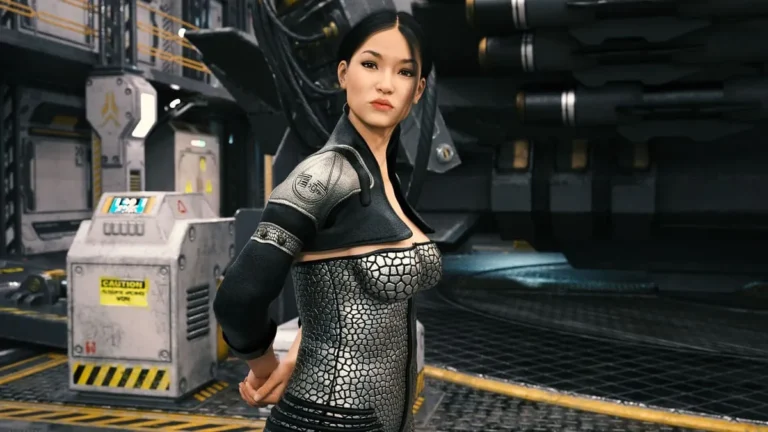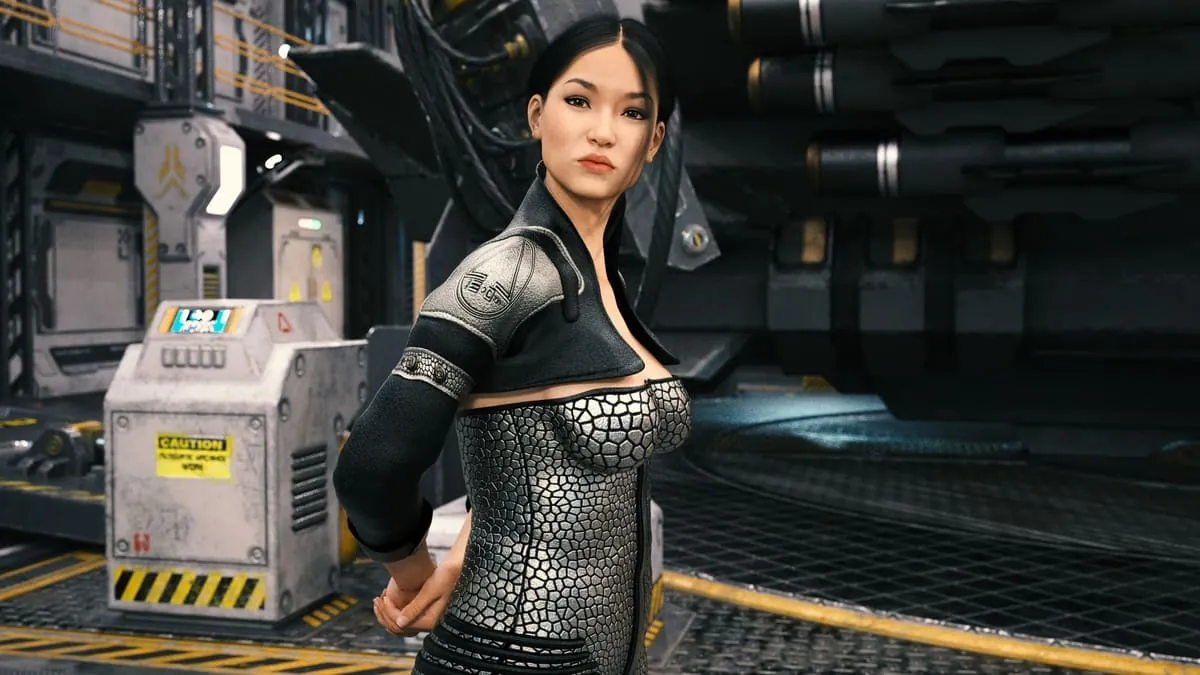
Tales from the Unending Void
Play Tales from the Unending Void
Tales from the Unending Void Screenshots




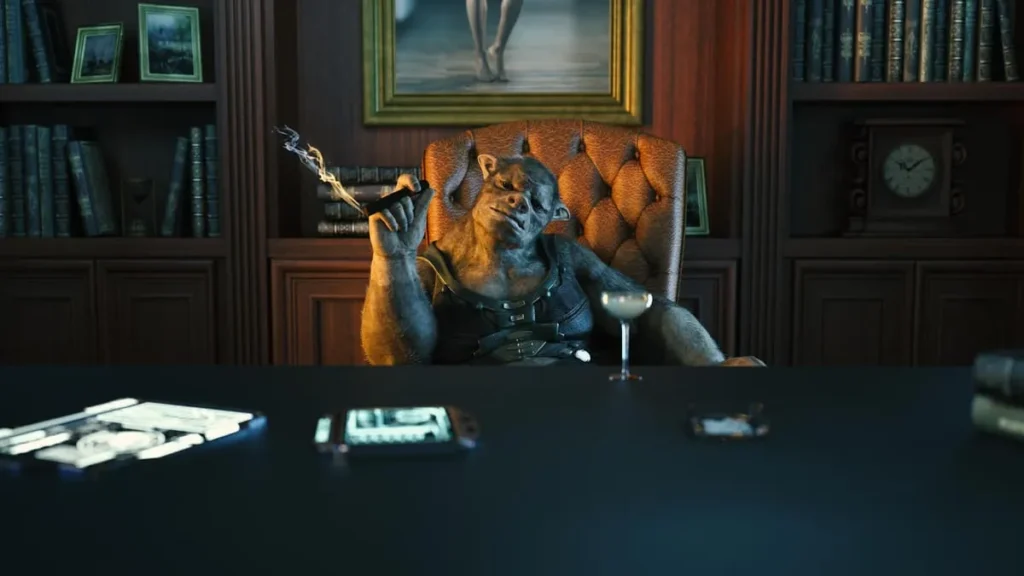
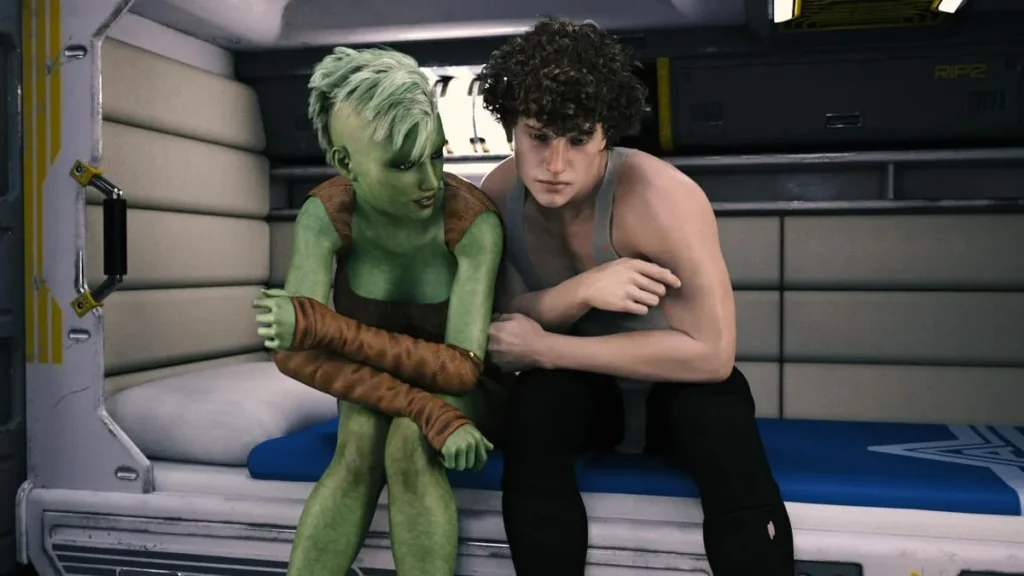







Tales from the Unending Void review
Explore the lewd adventures of a nobleman and his alien crew in this captivating visual novel
Dive into the steamy cosmos of Tales from the Unending Void, a gripping sci-fi visual novel where you step into the boots of a sly nobleman navigating space with a colorful crew of humans and aliens. I still remember my first playthrough—hours lost in dialogue choices that unlocked mind-blowing encounters amid a plot thicker than black hole gravy. This game blends interstellar intrigue with explicit scenes that hit just right, from banging vibrant aliens to deepening crew bonds. Whether you’re chasing the story or the heat, here’s your ultimate guide to mastering Tales from the Unending Void, packed with tips to maximize every route.
What Makes Tales from the Unending Void a Must-Play Sci-Fi Adventure?
Let’s be honest—we’ve all scrolled past a hundred sci-fi visual novels with generic promises of galactic conquest and forgettable crews. I almost did the same with Tales from the Unending Void. The first hour had me checking my watch, wondering if I’d made a mistake. But then, something clicked. A single conversation on the ship’s bridge shifted my entire perspective, and I was pulled into one of the most compelling space adventure VN experiences I’ve had in years. If you’re on the fence because you’ve heard about the slow start visual novel reputation, stick with me. I’m here to tell you why pushing through that initial pace is one of the best gaming decisions you’ll make, and what truly makes this Tales from the Unending Void story a hidden gem.
This isn’t just another visual novel; it’s a character-driven epic that uses its sci-fi setting as a brilliant stage for personal drama, tough choices, and relationships that feel earned. Forget sandbox grinds or empty exploration—this is about the journey of a man and the unconventional family he builds among the stars. 🚀
Unpacking the Core Story and Setting
At its heart, the Tales from the Unending Void story is a masterclass in using a familiar framework to tell a deeply personal tale. You play as Lord Doran Valdor, a petty nobleman from a once-great house that’s now clinging to relevance. He’s not a chosen one or a galactic hero—he’s a guy with a rusty ship, a mountain of debt, and a title that gets him more sneers than respect. This grounded starting point is the game’s secret weapon.
The game plot summary begins with a simple, almost cliché premise: a distress call from a stranded vessel. What you expect to be a routine salvage job spirals into a rescue mission, saving a mysterious and powerful woman named Anya from a grim fate. This act of decency, against all “smart” mercenary advice, sets everything in motion. It’s your first major choice in a game full of them, and it instantly defines Doran’s character not as a noble by blood, but by action. This decision attracts a motley alien crew, each with their own scars, secrets, and reasons to avoid the powerful syndicate you’ve just ticked off.
The sci-fi visual novel setting feels lived-in, akin to the grittier corners of Star Wars or Firefly. It’s not about shiny, sterile starships; it’s about the grease, the jury-rigged repairs, and the political tension between a crumbling empire and cutthroat corporate syndicates. The world-building is delivered through organic crew conversations and the gorgeous, detailed backgrounds of your ship, the Starweaver, which truly becomes a character itself. You feel every upgrade and personal touch added to the living quarters. ✨
And then, there are the Tales from the Unending Void characters. This is where the plot truly sings.
* Thim, your first officer, is the prime example of the game’s brilliant character arcs. I’ll admit, I hated him at first. He’s arrogant, dismissive, and treats Doran like a clueless child. But as the story unfolds and you make choices that prove your worth, his respect—and his character—slowly evolve. His journey from insufferable jerk to a fiercely loyal, if still sarcastic, right-hand man is incredibly rewarding. It’s a transformation that feels completely earned.
* Anya, the damsel you rescue who is decidedly not in distress, holds mysteries that unravel over the entire season.
* Kali, the fierce mechanic with a past tied to pirate clans, adds a layer of street-smart toughness.
You don’t just manage a crew; you learn about them, argue with them, and ultimately build a bond that makes every story risk feel personal. Protecting the Starweaver isn’t about the ship; it’s about protecting the home you’ve built for these people.
How Choices Shape Your Cosmic Journey?
If you’re tired of visual novels where choices are just illusions leading to the same endpoint, you’re in for a treat. The choice-based gameplay in Tales from the Unending Void is its central nervous system. This isn’t a sandbox where you grind for resources; it’s a tightly woven narrative where your decisions directly control the plot’s direction, character relationships, and the very tone of your adventure.
Every major dialogue and action presents a meaningful crossroad. Will you lead with the honor of your noble house, even if it’s impractical? Will you embrace pragmatic (and sometimes ruthless) mercenary logic to survive? Or will you follow a more compassionate, personal code? The game tracks these tendencies through a subtle Influence system, and it also meticulously tracks Affection with each crew member. These aren’t just hidden numbers; they change how characters speak to you, what opportunities they reveal, and which intimate story paths become available.
Practical Tip: Pay close attention to the dialogue after you make a big story choice. Often, a crew member will pull you aside later to comment on your decision. These private conversations are goldmines for understanding their values and are the best indicators that your choice had a real, lasting impact.
The structure is beautifully straightforward: you’re presented with a mission or a port to visit, you make a series of choices that determine how that event plays out, and you deal with the consequences back on the ship. This loop creates a fantastic pace. There’s no filler. A choice to investigate a derelict ship might lead to a combat scenario resolved through quick-time events or clever dialogue, which might then result in gaining a new ally or a bitter enemy. Your choices in one chapter can and will revisit you several chapters later, creating a fantastic sense of a living world reacting to your presence.
This approach gives the game immense replay value. My first playthrough was as the “Honorable Lord,” trying to live up to a dusty ideal. My second was as a “Pragmatic Captain,” making the hard calls for the crew’s survival. The different crew reactions, alternative scenes, and even unique romantic outcomes made it feel like a distinct story. You’re not replaying to see a single different scene; you’re replaying to experience a different version of Doran’s legend.
Why the Slow Start Pays Off Big Time
Alright, let’s address the Eclipsian Rogue in the room. Yes, Tales from the Unending Void has a slow start. My personal anecdote? I almost quit. The first chapter is heavy on setup: introducing Doran’s dire financial situation, his strained dynamic with Thim, and the political landscape. There’s a lot of talking on the ship. But here’s the crucial insight I gained: it’s all essential foundation.
The game is building your baseline. It’s establishing the “normal” so that when the adventure truly kicks off, you have a deep, vested interest. You feel the weight of the debt. You understand why Thim is so frustrated. You aren’t just a blank slate captain; you are Lord Doran Valdor, whose back is against the wall. When that first mission begins and the choices start to matter, you’re making them from a place of character knowledge, not just random player selection.
This deliberate pacing allows the Tales from the Unending Void characters the room to breathe and develop naturally. Without that initial time spent in awkward tension on the Starweaver, Thim’s later loyalty wouldn’t hit nearly as hard. The slow start visual novel approach is a commitment to storytelling depth over instant gratification. The payoff is a narrative with the depth and gradual build of a premium TV series, where relationships and plots have room to develop complexity. By the season’s midpoint, you’ll be hitting “Next” relentlessly, desperate to see how the latest cliffhanger resolves, precisely because the game took the time to make you care.
Think of it like this: the first few hours are the careful, steady launch of your starship from a planetary dock. It’s all procedure and buildup. But once you clear the gravity well and hit the void? That’s when the engines ignite, and you’re in for an unforgettable, choice-driven ride across the galaxy. 🌌
To give you a balanced view, here’s what players often celebrate and critique, based on community experiences:
| Pros (What Players Love) | Cons (What Players Note) |
|---|---|
| Deep, evolving character arcs that feel earned | The initial pacing can be slow for some |
| Meaningful choice-based gameplay with real consequences | The main character can seem unlikable or arrogant at the very start |
| A compelling sci-fi plot that rivals TV series storytelling | Some narrative paths are gated behind specific choice thresholds |
| High-quality art and a truly immersive spaceship environment | The focus is purely on narrative, with no free-roam sandbox elements |
| Excellent replay value due to branching relationships and outcomes |
FAQ: Getting Started with Tales from the Unending Void
What’s the main plot of Tales from the Unending Void?
You play as Lord Doran Valdor, a down-on-his-luck nobleman, who rescues a mysterious woman and inadvertently makes enemies with a powerful syndicate. The core game plot summary revolves around your struggle to survive, pay off a massive debt, and uncover deeper galactic conspiracies with the unique alien crew you gather along the way.
Is it a pure dating sim, or is there a real story?
There’s a substantial, driving sci-fi visual novel story first and foremost. While building romantic relationships with your crew is a significant and well-integrated part of the experience, the overarching plot about syndicate conflict, political intrigue, and survival is always the primary engine.
How long is a playthrough, and is there replay value?
A single playthrough of the first season can take 10-15 hours. The choice-based gameplay is designed for multiple replays, as major decisions can unlock different character routes, alter key story scenes, and lead to unique endings, making a second run feel notably different.
In the end, Tales from the Unending Void is a testament to the power of patient, character-driven storytelling within the sci-fi visual novel genre. It asks for a little faith at the beginning and rewards it with a galactic-scale drama full of heart, tough choices, and a crew you’ll genuinely miss when the credits roll. If you’re looking for a space adventure VN with substance, where your decisions write the legend, your journey into the Unending Void awaits.
Wrapping up my journey through Tales from the Unending Void, it’s clear this visual novel stands out with its blend of sci-fi storytelling, evolving characters, and rewarding explicit moments that keep you coming back for more routes. From the nobleman’s cunning schemes to steamy alien liaisons, every choice builds an unforgettable saga. If you’re craving space-faring thrills with a naughty twist, grab the latest season now—dive in, make bold picks, and uncover the void’s deepest secrets. Your next obsession awaits; what’s stopping you from launching into this cosmic ride?