The Inn
Play The Inn
The Inn Screenshots



















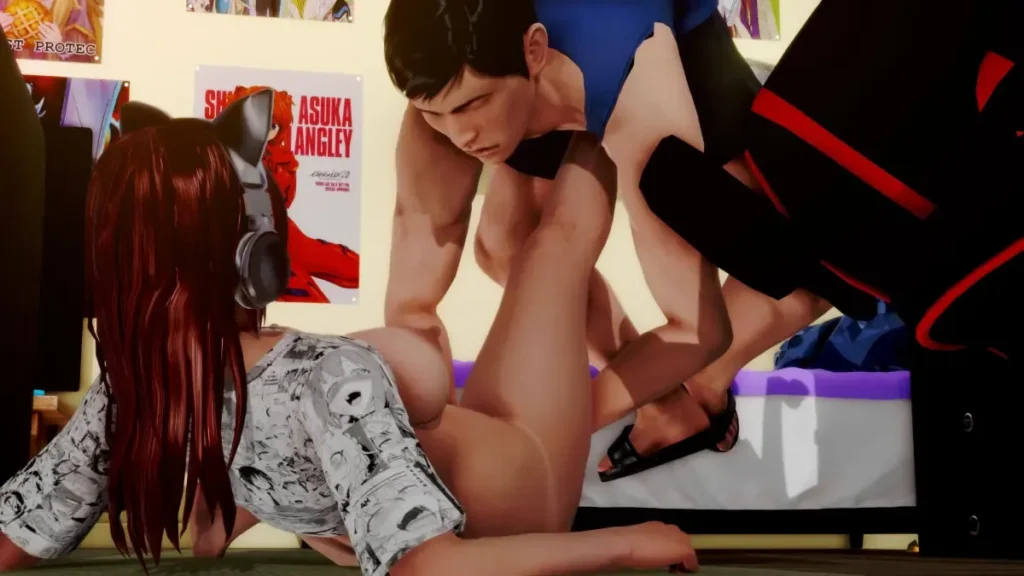


















The Inn review
Master every decision, puzzle, and encounter in this immersive narrative experience
The Inn stands out as a unique narrative-driven experience that challenges players to navigate complex social dynamics, solve intricate puzzles, and make meaningful choices that shape the story’s outcome. Whether you’re new to the game or returning for another playthrough, understanding the core mechanics, character relationships, and strategic approaches can significantly enhance your experience. This guide explores the essential elements that make The Inn compelling, from its atmospheric world-building to its branching narrative paths. Players often find themselves immersed in the game’s mysterious setting, where every decision carries weight and consequences ripple through the story. Our comprehensive breakdown will help you uncover hidden details, optimize your gameplay strategy, and discover the depth this experience offers.
Understanding The Inn’s Core Gameplay Mechanics
Welcome to the hearth, traveler. Before you can truly master The Inn, you need to understand the very fabric of its world. This isn’t just about clicking through dialogue; it’s about living within a delicate, ticking clock where every whispered conversation, every inspected object, and every choice to help (or ignore) a guest weaves the unique tapestry of your story. The core gameplay mechanics here are a beautiful, intricate dance between your curiosity and the relentless march of time. Let’s pull up a chair by the fire and break it all down. 🔍
How Decision-Making Shapes Your Story
From the moment you step behind the counter, you are the innkeeper. This role is defined by constant, often subtle, decision-making gameplay. Think of it less as choosing between “Good” or “Evil” dialogue options, and more as managing a living ecosystem. Do you spend your precious minutes carefully listening to the old sailor’s rambling tale to gain his trust, or do you politely excuse yourself to check on the strange noise from the cellar? Both are valid, but both send ripples through the pond.
The genius of The Inn lies in how these ripples converge. Early, seemingly innocent choices can lock or unlock entire branching narrative paths hours later. I remember on my first playthrough, I brushed off the nervous merchant too quickly. I was busy! What I didn’t realize was that his parcel contained a clue vital to understanding the spectral guest in Room 3. By the time I went looking for him, he—and his parcel—were long gone, closing off a whole avenue of resolution for that storyline. The gameplay consequences are rarely immediate, but they are always looming.
This is because the game operates on a cause-and-effect web. Your actions build a hidden “profile” of your innkeeper—are you seen as a meddler, a confidant, a strict rule-keeper, or a pushover? Characters will react to this perceived reputation. A guest you helped on Day 1 might vouch for you to a suspicious newcomer on Day 3. Conversely, a rule you enforced too harshly might mean a guest refuses to speak to you when you desperately need information.
The Inn walkthrough tip #1: There are no “right” answers, only your answers. Embrace the first playthrough as your authentic story. The anxiety of missing something is part of the atmosphere!
To help you visualize the weight of your choices, here are some pivotal early decision points and their potential long-term chains:
-
The Locked Trunk in the Storage Room: A guest asks you to keep an eye on it.
- Decision: Pry it open when you get a chance.
- Potential Consequence: You find incriminating evidence, allowing you to blackmail the guest later for a favor. However, if they discover your trespass, they may become hostile and sabotage your inn.
- Decision: Respect their privacy and leave it be.
- Potential Consequence: The guest, impressed by your honesty, may later trust you with a dangerous secret or provide you with a key item voluntarily.
-
The Argument in the Common Room: Two guests are embroiled in a heated debate.
- Decision: Side with Guest A publicly.
- Potential Consequence: You gain Guest A’s alliance, but Guest B now spreads rumors about your bias, making other guests wary.
- Decision: Calmly mediate and suggest they agree to disagree.
- Potential Consequence: Neither is fully pleased, but you’re seen as a fair authority. This may lead to both approaching you separately with pieces of a larger puzzle.
-
Distribution of Resources: You only have one extra blanket during a cold snap.
- Decision: Give it to the elderly guest.
- Potential Consequence: They stay healthy and reward you with a family heirloom or a crucial piece of local lore.
- Decision: Give it to the paying mercenary.
- Potential Consequence: They offer their protection later that night when a threatening figure arrives at the door.
This decision-making gameplay is the heartbeat of The Inn, making you constantly weigh short-term gains against long-term narrative rewards. 🕯️
Navigating Puzzles and Environmental Challenges
While conversations drive the story, the soul of The Inn is often discovered in the quiet moments between them. The puzzle solving strategy here is deeply intertwined with the game mechanics of exploration and time management. You won’t find sudoku or sliding block puzzles; instead, you’ll unravel mysteries that feel organic to the setting.
Puzzles typically fall into a few categories: code-breaking (deciphering a guest’s journal written in cipher), sequence logic (figuring out the correct order to place items on a mantelpiece based on dusty outlines), and environmental observation (noticing which floorboard creaks differently, suggesting a hidden compartment). The difficulty progresses beautifully with the story’s tension. Early puzzles teach you the “language” of the game world—like paying attention to portrait eyes that seem to follow you, or books in the library that are frequently misplaced.
My puzzle solving strategy always starts with thorough observation. The game rewards the curious. Click on everything, but do so with purpose. Is that wine stain on the ledger fresh? Has the position of the fire irons changed since yesterday? The environment is your primary clue database. Secondly, take notes. Seriously, keep a physical notepad or a digital doc open. When a guest cryptically mentions “the seventh step from the oak,” you’ll want to remember that when you’re in the forest clearing later.
The semi-real-time element is crucial here. You can’t spend an entire in-game day staring at a symbol on a wall. You might need to solve a puzzle in stages: find a clue in the morning, connect it to a book title you see at noon, and finally apply the solution in the evening. This puzzle solving strategy makes every “Aha!” moment feel earned.
| Puzzle Type | Common Location | Difficulty | Recommended Strategy |
|---|---|---|---|
| Symbol Matching & Alignment | Guest Rooms, Library | Medium | Sketch the symbols you find. Often, the solution involves rotating or overlaying clues found in different locations. |
| Auditory Clue & Sequence | Common Room, Cellar | Medium-Hard | Use headphones. The order of sounds (clock chimes, specific floorboard creaks) often reveals a numeric code or a safe combination. |
| Inventory-Based Assembly | Kitchen, Storage Shed | Easy-Medium | Combine examine and use actions on items in your possession. Think about their practical use in an inn setting (repairing, cleaning, composing). |
| Dialogue-Driven Riddles | Conversations with Guests | Variable | Listen for repeated phrases, metaphors, or seemingly out-of-context historical anecdotes. These are often clues to a guest’s past or a hidden object’s location. |
Remember, The Inn walkthrough tips for puzzles are simple: be patient, be observant, and don’t be afraid to walk away and let your subconscious work on it while you tend to other guests. The “Eureka” moment will come. 🧩
Character Interactions and Relationship Building
The guests are not quest dispensers; they are the lifeblood of the experience. The character relationship system is a fragile, wonderful thing built not through grand gestures, but through consistent, small acts of attention (or neglect). Every interaction is a brick in the foundation of your rapport.
This system goes far beyond a simple “Like/Dislike” meter. Relationships in The Inn are multifaceted. A guest might trust you with secrets but disapprove of your methods. Another might rely on you for practical help but fear your growing knowledge. Your dialogue choices directly feed these hidden dimensions. Offering a sympathetic ear builds trust; demanding answers builds respect (or resentment); gossiping about one guest to another can shatter credibility entirely.
The character relationship system is deeply connected to the branching narrative paths. A high-trust relationship with the herbalist might mean she gives you a real remedy instead of a placebo for a sick guest, altering that character’s fate. A strained relationship with the local guard might mean he overlooks a crucial piece of evidence you present, forcing you to find another way to prove your innocence.
The Inn walkthrough tip #2: Revisit guests multiple times in a day. Their moods and available dialogue change with time and story events. A guest who is reticent in the morning might be tipsy and talkative by the fire at night.
Key aspects of the system include:
- Memory: Characters remember what you say and do. If you promise to find someone’s lost locket and forget, they will call you out on it. This accountability makes the world feel real.
- Conflicting Interests: You cannot please everyone. Helping the hunter might mean angering the naturalist guest who opposes trapping. These conflicts create the most compelling gameplay consequences, forcing you to define your innkeeper’s priorities.
- Gifts and Services: The economy of favors is real. Spending your resources (a good meal, a repaired item, a discreet service) to aid a guest is a direct investment in your relationship. Choose your investments wisely based on what you think you might need later—information, an alibi, or physical protection.
Ultimately, mastering The Inn is about understanding that every system is connected. Your puzzle solving strategy uncovers secrets that inform your decision-making gameplay, which alters your character relationships, which in turn opens or closes branching narrative paths. The atmospheric tension doesn’t just come from the eerie music or the creaking beams—it comes from the weight of your own agency. You are not just playing a story; you are living it, minute by anxious minute, and the gameplay consequences of your unique choices are what make this immersive narrative experience so unforgettable. 🏠
Now, with these core game mechanics in mind, you’re ready to truly begin your tenure. Remember, no two stays are ever the same. Good luck, innkeeper. Your guests are waiting.
The Inn delivers a compelling experience that rewards careful observation, strategic thinking, and meaningful engagement with its world and characters. By understanding the core mechanics—from how your choices ripple through the narrative to mastering puzzle-solving techniques—you’ll unlock the full depth of what this game offers. The beauty of The Inn lies in its respect for player agency; every decision feels consequential, and multiple playthroughs reveal new layers of story and character development. Whether you’re drawn to the atmospheric tension, the intricate puzzle design, or the complex character relationships, approaching the game with intention transforms it from a simple experience into a memorable journey. Take your time exploring, pay attention to environmental details, and don’t hesitate to experiment with different choices on subsequent playthroughs to discover all the narrative branches this richly crafted experience contains.