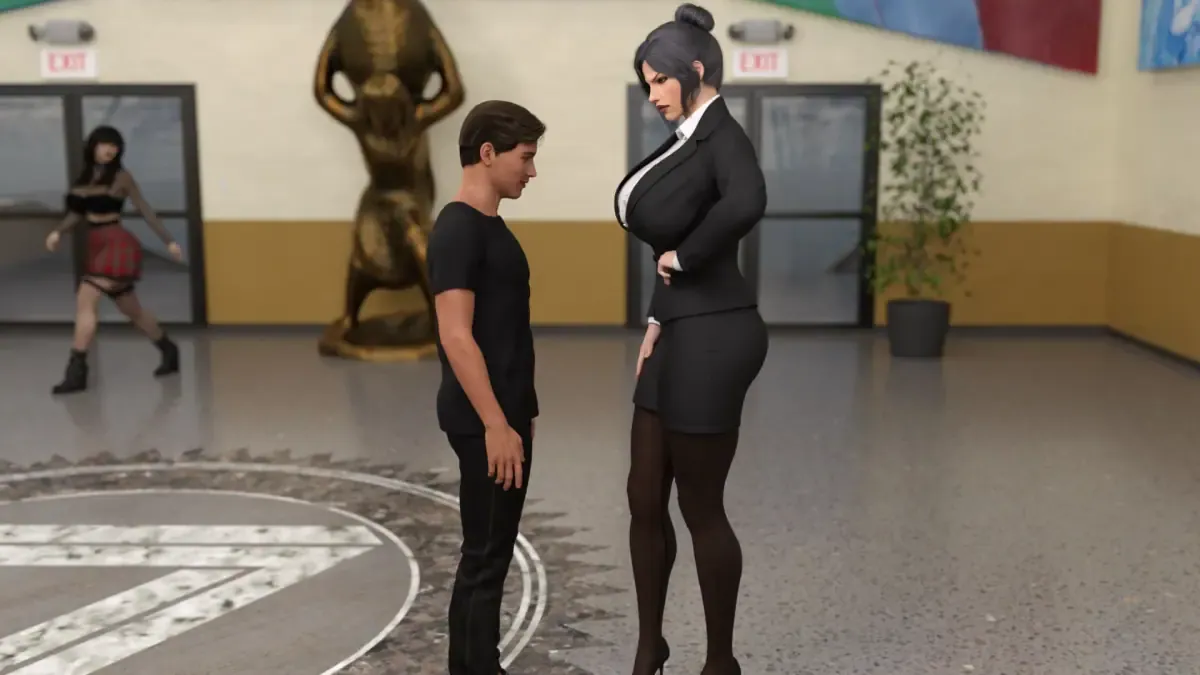
The Theater of Sinners
Play The Theater of Sinners
The Theater of Sinners Screenshots
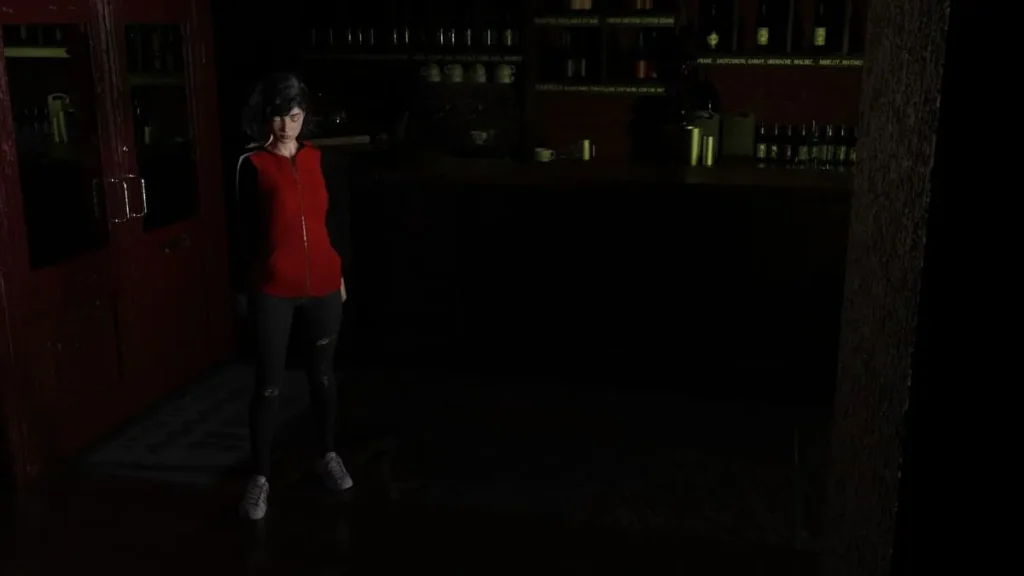
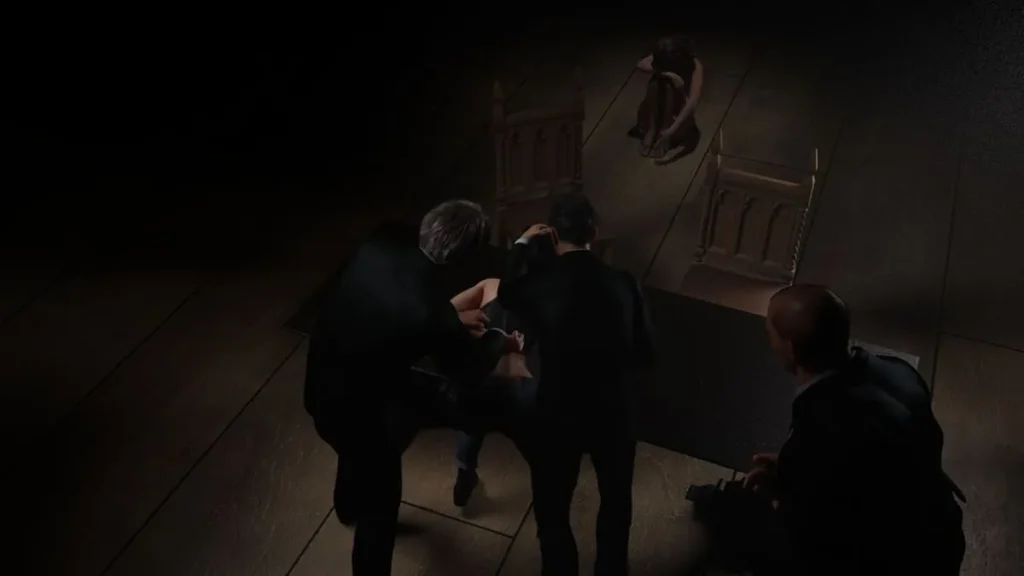
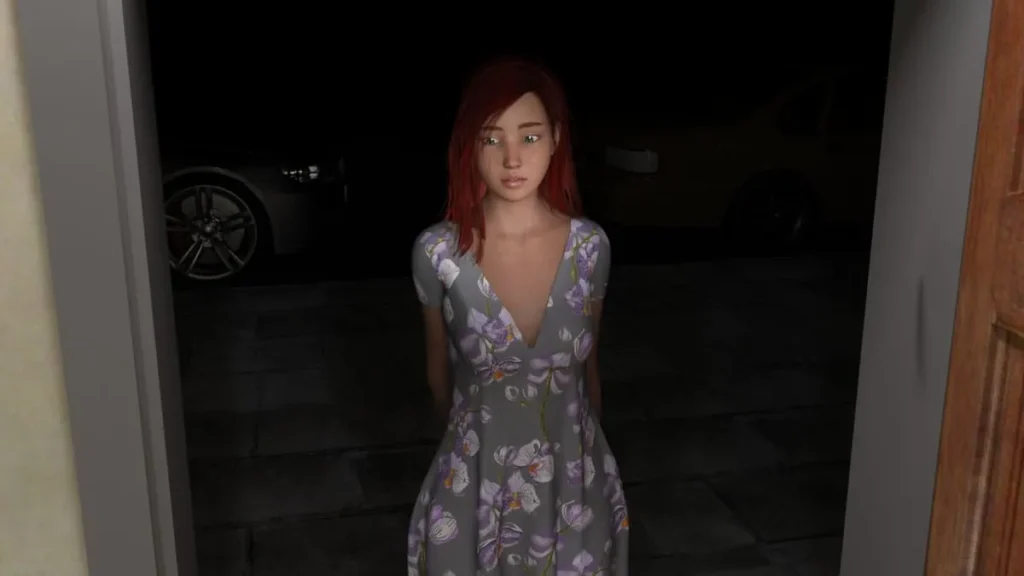
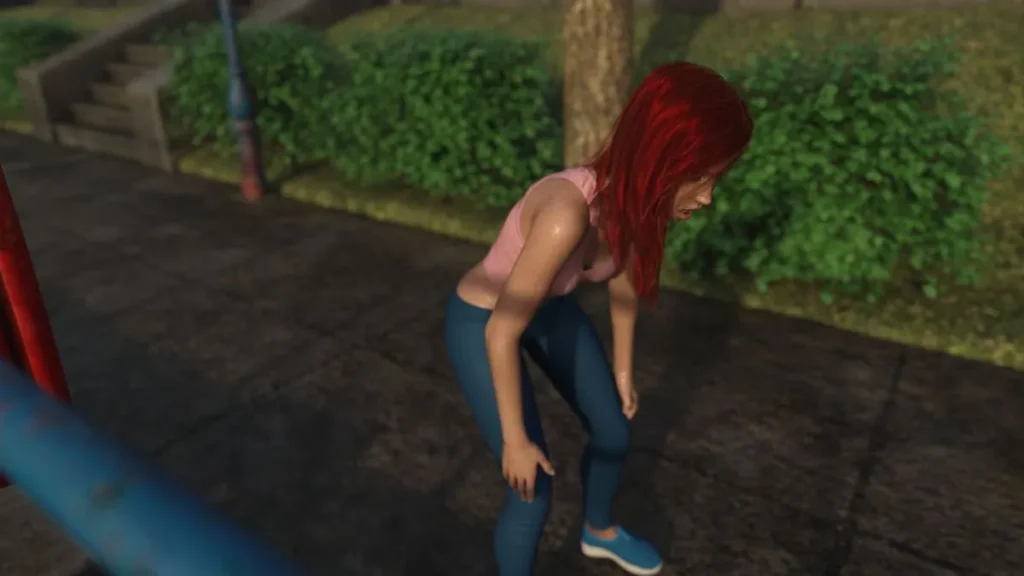
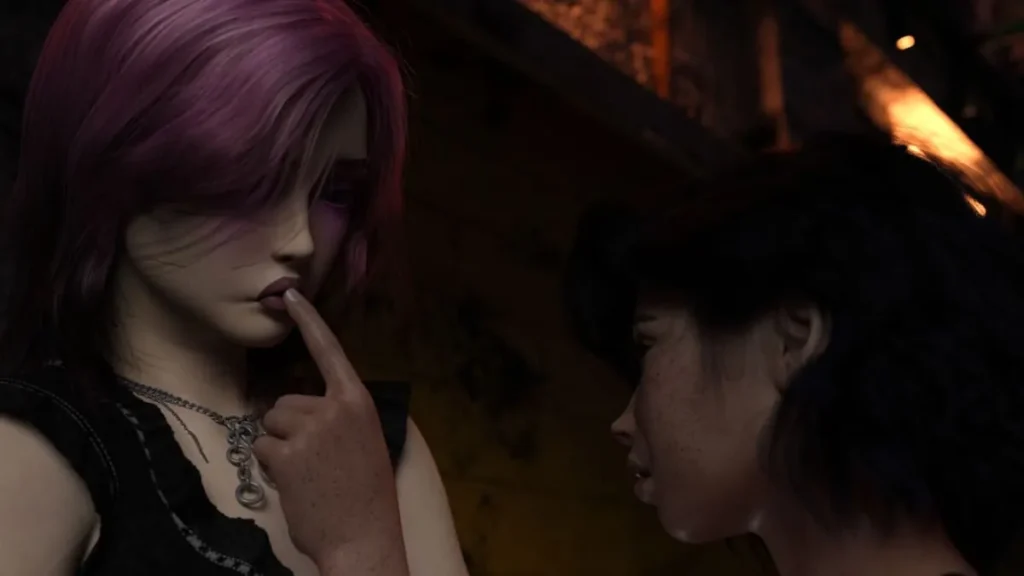
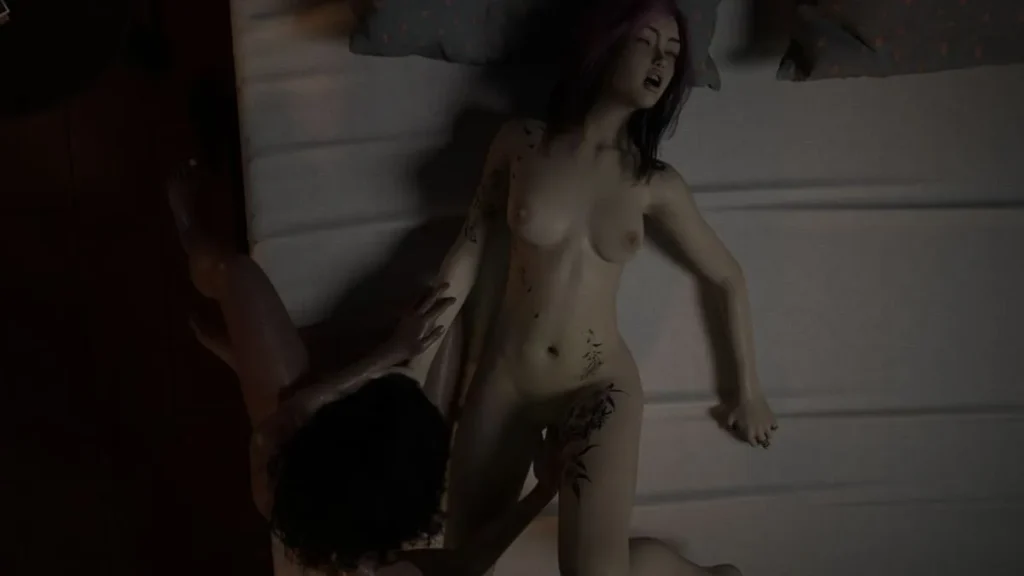
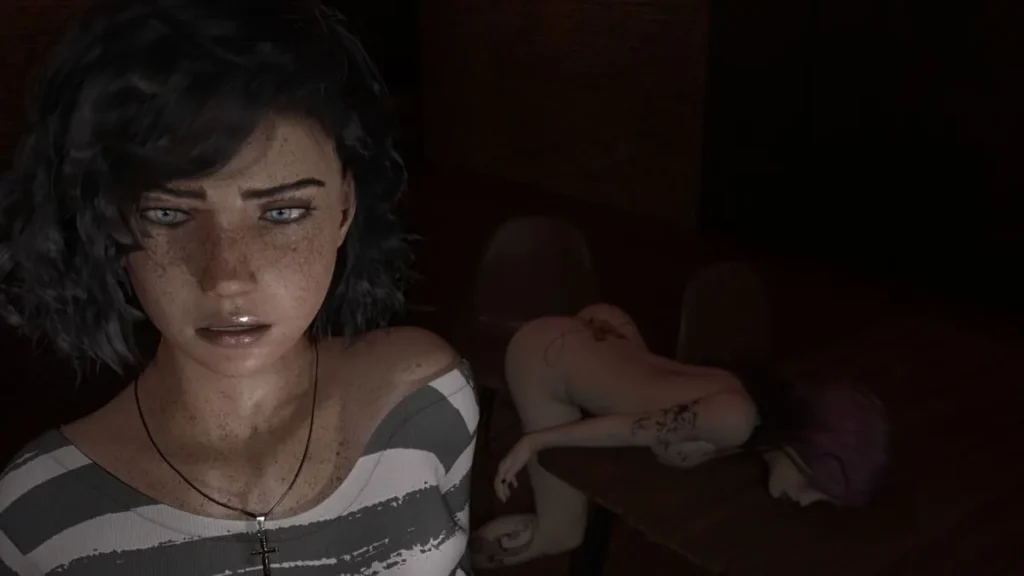

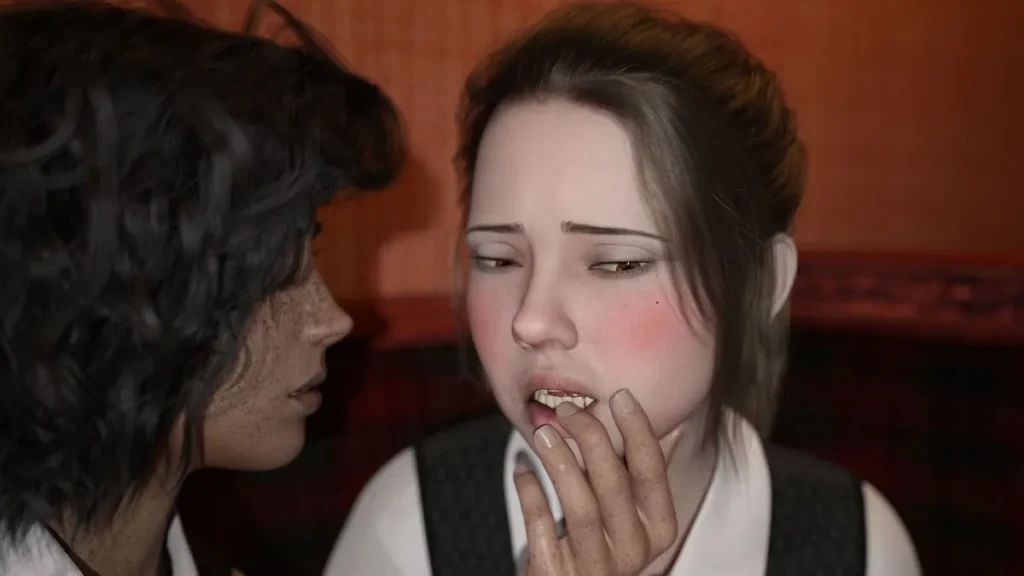
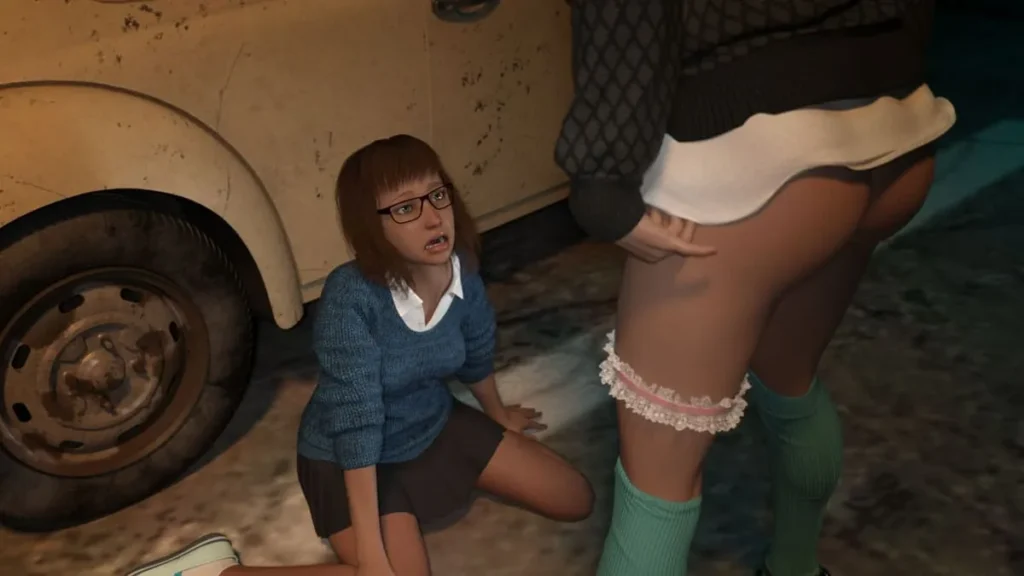
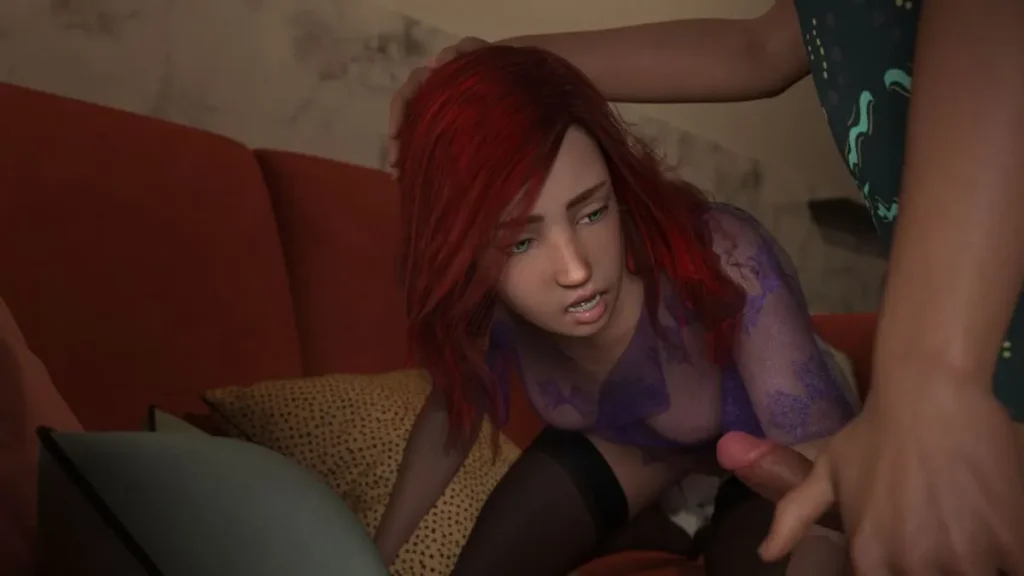
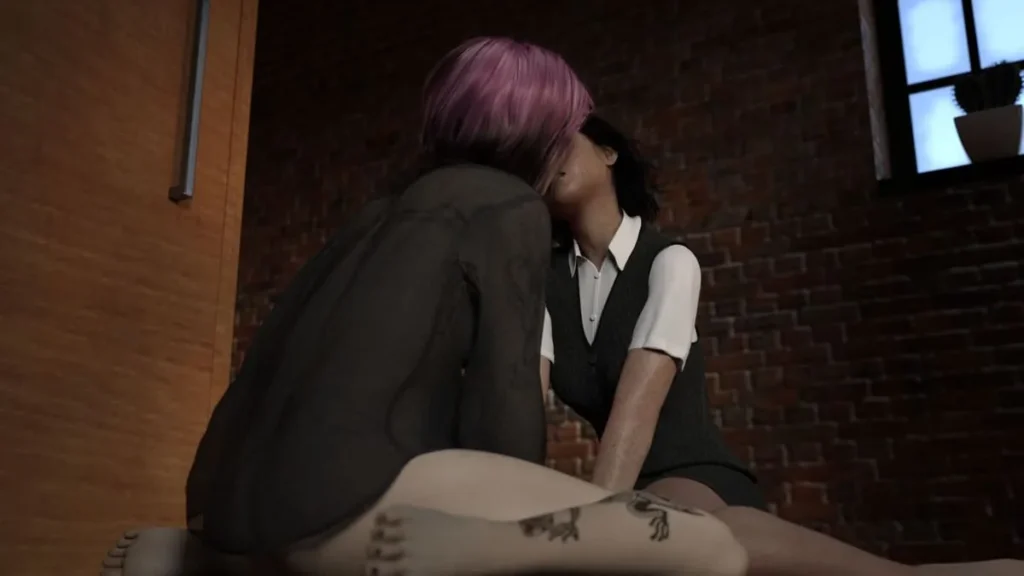
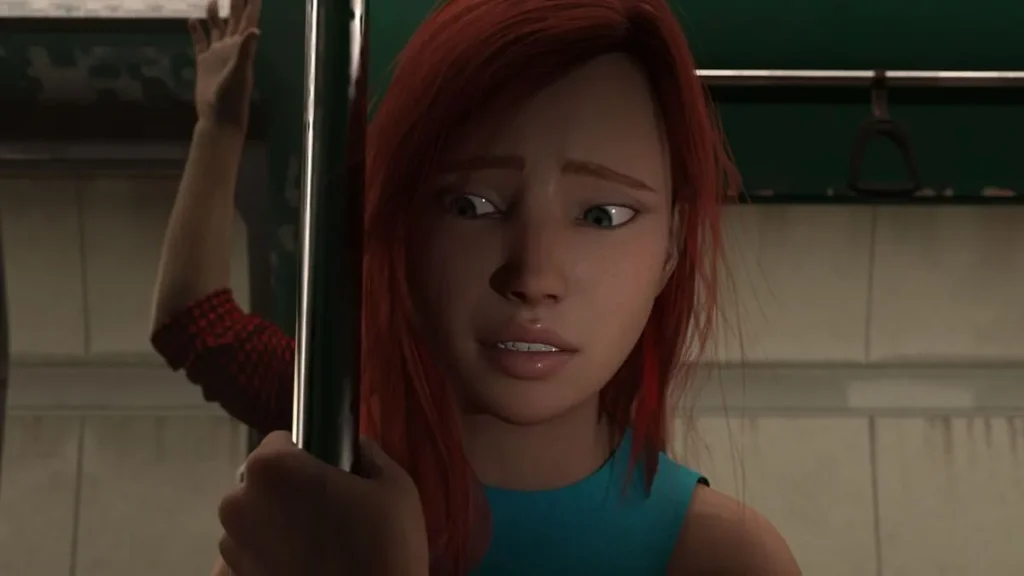
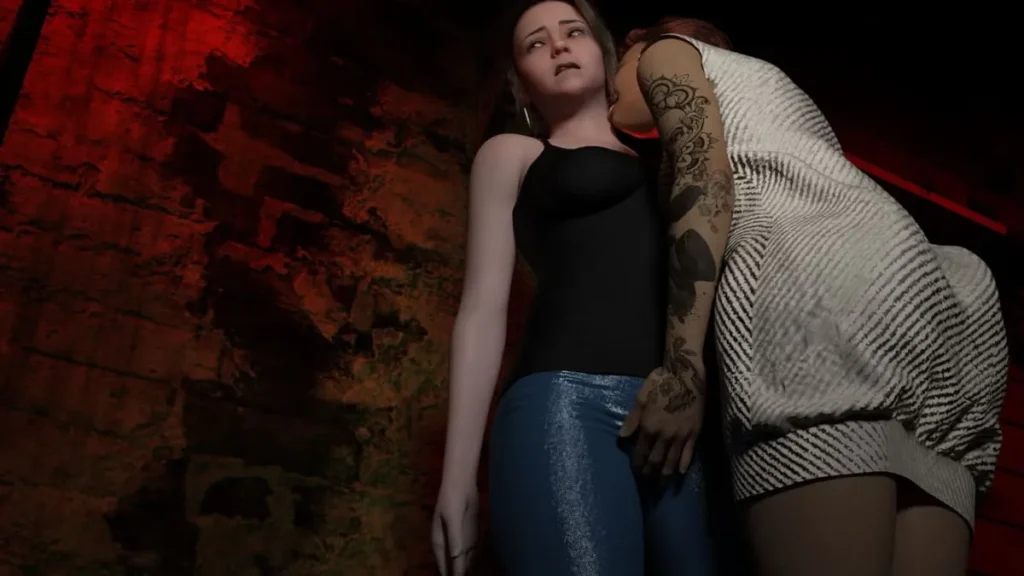
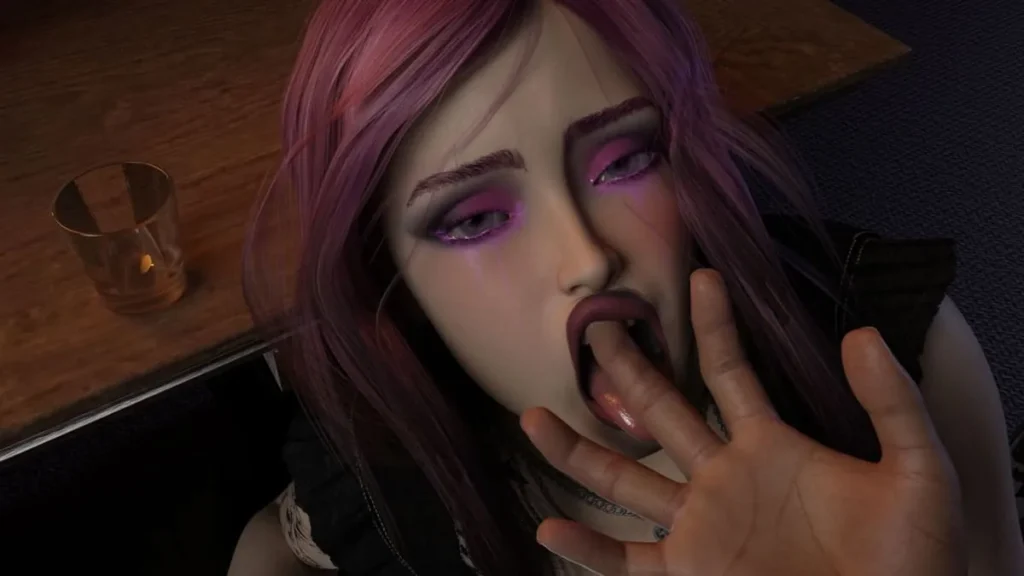
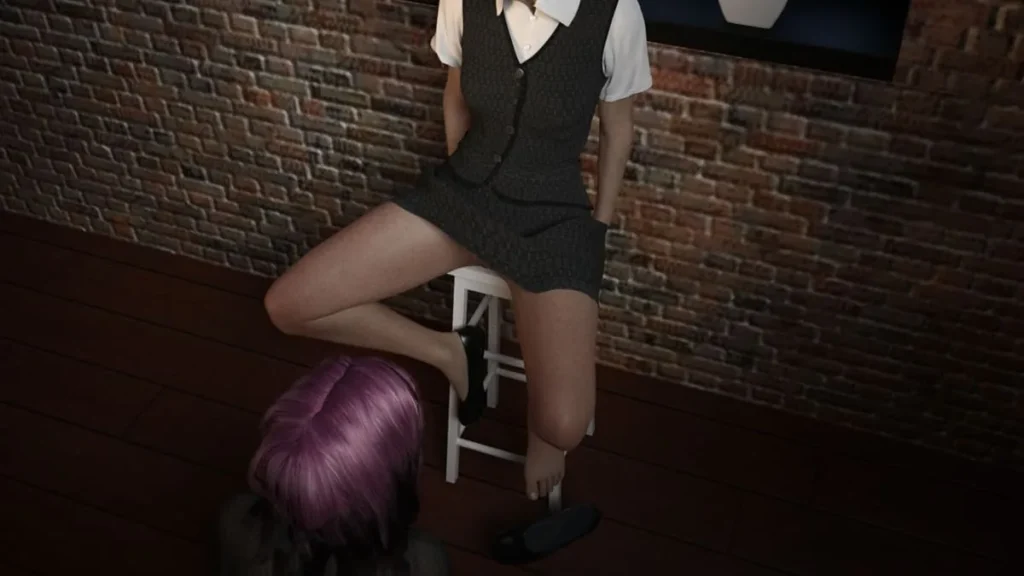
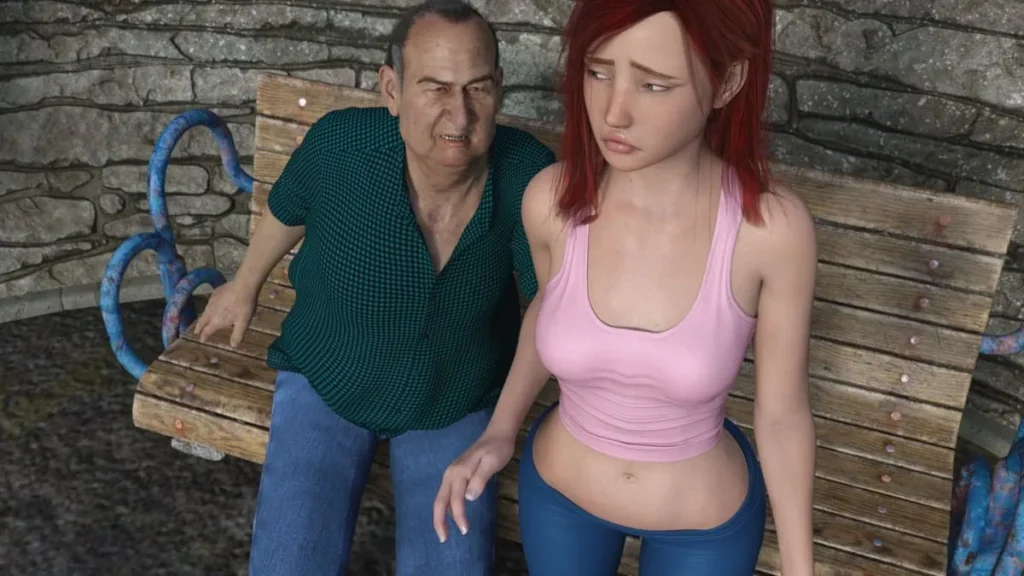
The Theater of Sinners review
Dive into humiliation, corruption, and twisted choices in this Ren’Py psychological fantasy
Ever stepped into a world where every choice drags you deeper into moral chaos? That’s The Theater of Sinners, the gripping Ren’Py visual novel by JustXThings that’s captivating players with its raw tale of humiliation, corruption, and blurred lines between right and wrong. I first stumbled upon it during a late-night scroll, drawn by whispers of its psychological depth and branching narratives. You follow protagonists like Paula, caught with teen delinquents turning her life upside down, and Rebecca, battling an abusive past. This isn’t just a game—it’s an interactive descent into human darkness, where your decisions shape twisted destinies. Ready to explore the shadows?
What Makes The Theater of Sinners Uniquely Addictive?
I still remember my first playthrough of The Theater of Sinners 😳. I went in expecting a dark story, but I wasn’t prepared for how it would make me feel. I made a choice early on that seemed pragmatic, even merciful in a twisted way. An hour later, I was staring at the screen, my stomach churning, realizing my “merciful” decision had directly paved the way for one of the most brutally humiliating scenes in the game. There was no evil cackle, no mustache-twirling villain to blame—just the cold, logical consequence of my own button-press. That’s the moment I got hooked. What is The Theater of Sinners at its core? It’s a Ren’Py decision game that masterfully makes you complicit, transforming you from a passive observer into an active architect of its beautiful, terrible world. This chapter is about unraveling why that experience is so uniquely addictive.
Who Are the Core Protagonists in The Theater of Sinners?
The genius of this psychological horror visual novel doesn’t start with its choices, but with who you’re making them for. You don’t control a blank slate hero; you guide two deeply fractured young women, Paula and Rebecca. Understanding them is the key to understanding the entire Theater of Sinners storyline.
Paula is the privileged daughter of a powerful, distant figure. On the surface, she has everything, but it’s a gilded cage that leaves her emotionally starved and naive. Her journey begins when she falls into the clutches of a group of delinquents. What starts as bullying slowly, insidiously twists into forced deviance, as they exploit her loneliness and manipulate her desire for any form of attention. Playing as Paula, you wrestle with her shame, her corrupted sense of worth, and the horrifying question of whether she’s a victim being broken or if she’s discovering a darker part of herself she never knew existed.
Rebecca’s story is a raw wound from the very first frame. Raised by a neglectful addict mother and a viciously abusive step-father, her life has been a masterclass in pain. Her central, heartbreaking conflict is that in her struggle to survive and gain some control, she risks becoming what she hates. The anger and survival tactics she learned to endure her home life don’t just vanish; they warp, potentially turning her into an inflictor of the very torment she endured.
As one developer insight puts it: “We wanted to explore a dark story without filters, where kinks like power exchange, control, and dynamics of dominance and submission aren’t just titillation, but the language of trauma, survival, and corrupted identity.”
These Theater of Sinners protagonists are mirrors to each other. Paula’s corruption often comes from external forces creeping inward, while Rebecca’s threatens to boil outward. Managing their parallel yet distinct downfalls—or potential, fragile redemptions—is what makes every decision weigh a ton.
How Do Choices Drive the Theater of Sinners Storyline?
Forget simple “good vs. evil” dialogue trees. The Theater of Sinners storyline is powered by a deceptively complex system that tracks your subtle shifts in character. This isn’t about picking a “route” at a crossroads; it’s about slowly tilting the entire world.
Your choices influence hidden stats that represent the girls’ mental and emotional states—think metrics like Submission, Resentment, Guilt, or Defiance. A seemingly small choice to lash out or to meekly accept an insult will nudge these stats. Later, a major story branch won’t be unlocked by one big decision, but by whether your cumulative stats meet a certain threshold. You might find Paula embracing a degrading situation not because you chose “embrace degradation,” but because your previous choices made her Submission high enough that it’s now her only perceived path.
The structure is brilliantly non-linear. Scenes and flashbacks become playable as you unlock them, often out of chronological order. You might play a scene from Rebecca’s childhood that brutally explains why she reacts a certain way in a “present-day” event you experienced hours earlier. This Ren’Py decision game framework allows the game to weave a tapestry of cause and effect, where playing scenes in any order creates powerful, “aha!” moments of connection.
Here’s a piece of practical advice: savor the dialogues. A throwaway line of self-loathing from Rebecca or a wistful comment from Paula about her father can be subtle hints about which stat is quietly being affected, foreshadowing what kind of outcomes are now moving into reach.
My best practical tip? Replay compulsively. Save before every seemingly minor interaction. You’ll be stunned how choosing different words—not just different actions—can butterfly-effect into entirely different emotional tones and concrete events later. It makes you a true director in this twisted Theater of Sinners.
Why Psychological Horror Defines This Game
The horror in The Theater of Sinners doesn’t come from jump scares or monsters (though the imagery can be monstrous). It’s a psychological horror visual novel through and through. The terror is intimate, character-driven, and rooted in real, human devastation. The game explores heavy, unsettling themes not as spectacle, but as the painful anatomy of its Theater of Sinners characters.
- Humiliation & Corruption: Paula’s arc is a masterclass in this. It’s the horror of watching someone’s self-concept be systematically dismantled and replaced with something warped, often with her own hesitant compliance.
- Moral Ambiguity: This is the game’s lifeblood. You are constantly choosing between bad and worse, or between a short-term relief that causes long-term damage and a immediate pain that might preserve a shred of dignity. There are rarely “winning” choices, only consequential ones.
- The Cycle of Pain: Rebecca’s story embodies this. The game forces you to ask: is she breaking the cycle of abuse, or is she perpetuating it in a new form? The horror lies in the terrifying ease with which the abused can become the abuser.
The atmosphere is thick with dread, built through stark, unsettling artwork and a soundscape that knows the power of silence as well as discordant notes. But the true engine of fear is the character-driven plot. You come to care for Paula and Rebecca, which makes guiding them into darkness feel like a personal betrayal. The game brilliantly uses themes of power exchange and control not just as narrative elements, but as the very mechanics of your interaction. You, the player, are in a dominant role over these virtual lives, and the game makes you constantly aware of that uncomfortable power dynamic.
This is where The Theater of Sinners stands alone. It’s brilliant because it makes the player responsible. In a typical horror game, something jumps out at you. In this psychological horror visual novel, you open the door, beckon the monster inside, and then have to live with the character as they learn to coexist with it. It’s a harrowing, unforgettable exploration of the darkest corners of the human psyche, and its addictive power lies in that terrifying, profound agency. You keep playing not to see what happens to them, but to see what you will decide to do next.
The Theater of Sinners pulls you into a web of tough choices, flawed characters, and haunting narratives that linger long after you close the game. From Paula’s descent amid bullies to Rebecca’s fight against her past, every path reveals layers of human struggle and consequence. My own dives into its branches left me rethinking morality in games forever—it’s that powerful. If you’re craving a visual novel blending raw emotion with interactive depth, grab version 0.3 ALPHA 1 now, experiment with decisions, and see where the shadows lead you. Your next obsession awaits—what fate will you craft?