
Hillside
Play Hillside
Hillside Screenshots



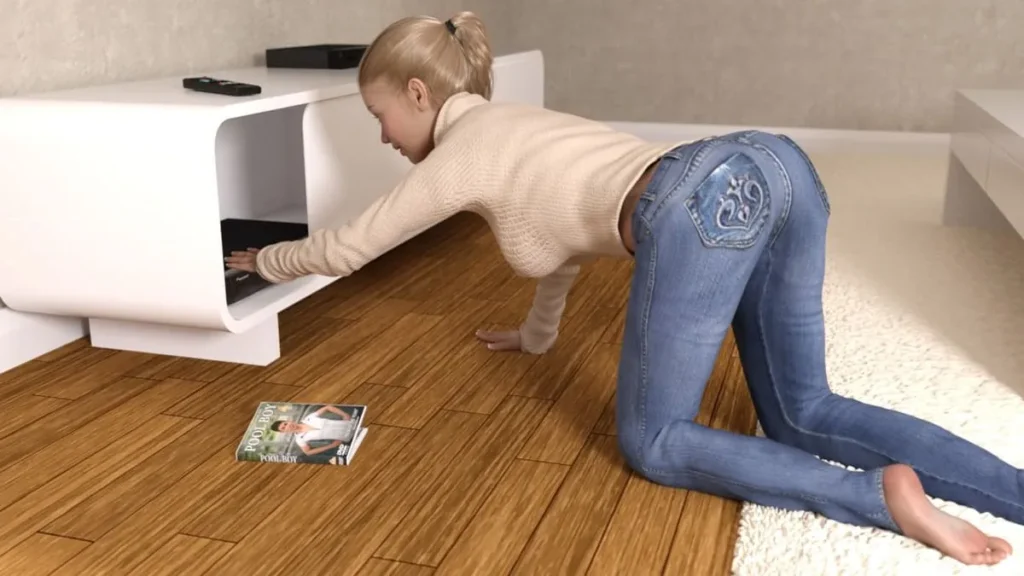






Hillside review
A player-focused guide and walkthrough of Hillside’s mechanics, story, and strategies
Hillside is a narrative-driven interactive title that blends exploration, character interaction, and player-choice mechanics to create a highly personal experience. In this article I’ll walk you through Hillside’s core systems, share hands-on tips from my own play sessions, and explain how to get the most out of its story beats and progression paths. Whether you’ve just launched the game or you’re hunting for specific strategies, this deep dive will give you clear, practical guidance and anecdotal insights that make the game easier and more enjoyable.
Getting Started with Hillside: Setup, UI, and First Impressions
So, you’ve decided to step into the tranquil yet emotionally complex world of Hillside 🏔️. Welcome! Before you can soak in the gorgeous vistas and navigate the delicate family dynamics, there’s the essential first step: getting the game from your library onto your screen. This guide will walk you through everything from the Hillside installation to your first crucial moments in-game, helping you start on the right foot.
Installing and initial configuration
Your journey begins with the Hillside installation. The process is straightforward on most platforms like Steam. Simply click ‘Install’ and let it run its course. However, I learned the hard way that a little prep goes a long way. During my first attempt, I was so eager to jump in that I ignored the Hillside system requirements. While it’s not a graphically intense title, ensuring your PC meets the recommended specs will guarantee those beautiful, painterly landscapes render smoothly without a hitch.
Speaking of Hillside system requirements, here’s a quick reference to check against your setup:
| Component | Minimum | Recommended |
|---|---|---|
| OS | Windows 10 | Windows 10/11 |
| Processor | Intel Core i5-2300 | Intel Core i7-4770 |
| Memory | 8 GB RAM | 16 GB RAM |
| Graphics | NVIDIA GeForce GTX 760 | NVIDIA GeForce GTX 1060 |
| Storage | 8 GB available space | 10 GB available space |
Once the Hillside installation is complete, fire it up and head to the options menu. I highly recommend spending five minutes here. Crank up the texture quality and shadows if your rig can handle it—the game’s atmosphere is half its charm. Pay special attention to the audio sliders; the soundtrack and ambient sounds are phenomenal and key to the experience. Also, look for the accessibility and privacy settings. You can adjust text size, subtitle backgrounds, and content warnings to tailor the experience to your comfort level.
Now, let’s talk about your progress. Knowing the Hillside save location is crucial, especially if you want to back up a cherished playthrough or troubleshoot. The saves are typically found in your user documents folder. For Windows, it’s usually C:\Users\[YourUsername]\Documents\My Games\Hillside. I make it a habit to copy this folder to cloud storage every few sessions. It saved me once after a sudden power outage! 🔌
Understanding the user interface and controls
The Hillside UI guide starts with its beautifully minimalist approach. When you first gain control, you might think, “Is that all?” 🤔 The HUD is intentionally sparse to keep you immersed in the world. Key information appears contextually. Your main menu, accessed with ESC or the menu button, is your hub for inventory, character notes, and the map.
The Hillside controls are simple but meaningful. Movement is standard WASD or controller stick, with a dedicated button for interaction and another for your journal. The genius is in the slow, purposeful walking speed—it’s not a bug, it’s a design choice to make you soak in every detail. My early mistake was fighting it, constantly tapping the sprint key (which doesn’t exist). Once I embraced the pace, I started noticing story clues in the environment I would have otherwise missed.
Here’s a basic layout of the primary Hillside controls on keyboard:
| Action | Key | Function |
|---|---|---|
| Move | W, A, S, D | Walk through the environment |
| Interact | E or Left Click | Talk, examine, pick up items |
| Journal | J | Open your tasks and notes |
| Menu | ESC | Pause and access settings |
| Zoom View | Hold Right Click | Look closer at objects |
Dialogue and choices are the heart of the game. When talking to someone, their portrait and name appear clearly. Choices aren’t timed, so breathe and think. Icons sometimes appear next to dialogue options, hinting at their tone (like a heart for compassion or a gear for a practical solution). The map is your best friend for navigation; it marks active objectives and major locations. Don’t ignore it!
First hour checklist: what to do first
You’re installed, configured, and familiar with the lay of the land. Now, how to start Hillside for the best experience? Your first hour sets the tone. Here’s my personal checklist from what I wish I’d known.
Pro Tip: Create a save named “First Steps” right after the opening cinematic. It gives you a perfect return point if you want to replay the early choices later.
- 🌅 Embrace the Slow Pace: Resist the urge to rush. The first hour is about acclimation. Walk, don’t run (figuratively!), and listen to every line of dialogue.
- 🔍 Examine Everything: Click on photos, books, and household items. Many don’t just add flavor; they unlock additional thoughtful dialogue options later on.
- 📖 Read the Journal: Your journal auto-updates with tasks, but also with your character’s private thoughts. It’s essential for understanding your goals and headspace.
- 👥 Talk to Everyone, Twice: Exhaust all dialogue branches with each character you meet. Relationships develop through layers of conversation. My biggest early error was talking to my nephew only once and missing a cue about his worries.
- 🎚️ Double-Check Your Settings: Now that you’re in-game, pause and ensure the brightness and audio levels feel right in context. The default brightness was a tad dark for my monitor.
- 💾 Locate Your Saves: Do a quick check to confirm the Hillside save location on your system. Just knowing where it is brings peace of mind.
Regarding how to start Hillside in terms of story choices: there’s no “wrong” answer. The game is about authenticity. In my first session, I was surprised by how a simple choice about fixing a broken garden fence felt so weighted. I chose the pragmatic “we’ll do it later” option and saw a flicker of disappointment in my sister’s eyes. It was a small moment that taught me every action echoes. For your first playthrough, I recommend choosing responses that feel true to you, not what you think is “best.” You’ll connect with the story more deeply.
Finally, for the ideal play environment? Play this game like you’d watch a thoughtful film. Dim the lights, put on good headphones, and allow yourself to be present. It’s not a game to grind through; it’s a world to inhabit. Get your Hillside installation sorted, tweak those settings for comfort, and dive in. Your family on the mountain is waiting.
Hillside offers a layered interactive experience where choices, exploration, and character relationships combine to create strong replay value. This guide walked you through setup, the narrative and character systems, core gameplay mechanics, and practical tips for troubleshooting and community engagement. Use the checklists and tactics here to shape your preferred playstyle, experiment with choices to discover alternate paths, and lean on community resources when you hit technical snags. If you enjoyed this walkthrough, try applying one new tactic from the guide on your next play session and share your results with fellow players.